Can you intervene in transit?
If live alerts do not lead to action, a real-time tracker may add cost without changing outcomes.
Comparison / Real-time tracker vs QR logger
Real-time trackers fit shipments where teams need live location or condition data during transit and can act immediately. QR data loggers fit evidence-first lanes where the main need is shipment documentation at dispatch, handoff, receiving, QA review, or claims.
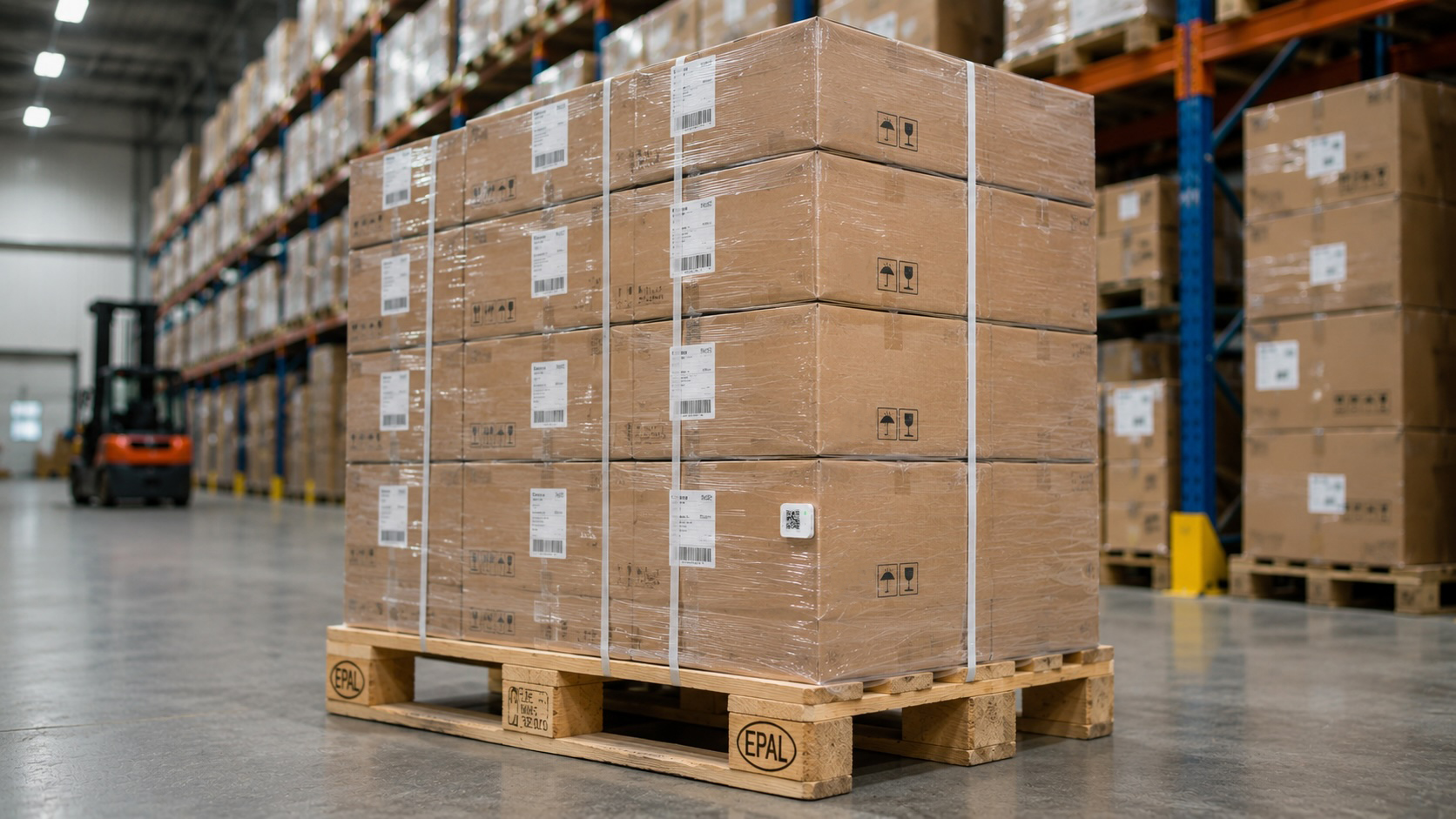
Side-by-side view
The best monitoring choice depends on who uploads the data, how fast evidence is needed, and whether the record must support QA, claims, audits, or partner review.
What to check
If live alerts do not lead to action, a real-time tracker may add cost without changing outcomes.
Security, theft risk, customs, or high-value exception management can justify real-time tracking.
If QA review, customer acceptance, or claims evidence is the goal, QR loggers are simpler.
Tradeoff
Real-time trackers are strongest when live data changes the outcome. QR data loggers are strongest when the business needs reliable evidence and cloud reports.
Choose real-time when someone can reroute, replenish, recover, or secure the shipment during transit.
Choose QR when the decision happens at receiving, QA release, claim review, or lane analysis.
Live trackers carry connectivity, charging, subscription, and recovery considerations. QR loggers avoid much of that for evidence-only lanes.
Best-fit choice
Choose real-time tracking when live intervention is required. Choose QR data loggers when reliable shipment evidence, simple receiver upload, and cloud reporting are the main needs.
Operational tradeoffs
Use them where live location or condition data lets the team reroute, replenish, rescue, or secure the shipment.
Use them where a practical receiving scan and cloud report answer the business question.
Migration path
Keep real-time tracking for lanes where live action changes outcomes. Move evidence-only lanes to QR data loggers.
Decide where QR upload should happen: dispatch, depot, cross-dock, receiving, QA, or customer handoff.
Use Logmore Cloud to manage reports, alerts, dashboards, exports, and partner evidence.
Product context
Logger models for temperature, humidity, shock, light, and dry ice lanes.
Open pageCloud reports, dashboards, alerts, audit trails, certificates, comments, and exports.
Open pageConnect mission data to quality, logistics, WMS, TMS, and control-tower systems.
Open pageIndustry overview for shock, humidity, light, and handling evidence.
Open pageIndustry overview for regulated pharma, life science, vaccine, sample, and clinical trial shipments.
Open pageFAQ
No. A QR data logger records shipment conditions and uploads data when scanned. It is not the same as a live tracker with continuous connectivity.
Use real-time tracking when live location or condition visibility allows the team to intervene during transit and protect the shipment.
A QR data logger is better when the goal is reliable evidence, simple receiving upload, reporting, QA review, or claims documentation.
Yes, when the monitoring need is condition evidence rather than live intervention. High-risk lanes may still need real-time tracking.
No. It is better when live data allows intervention. For evidence-only high-value lanes, QR data loggers are a strong fit.
Yes. Some organizations use real-time trackers on the highest-risk lanes and QR data loggers for broader shipment evidence.
Related pages
Review shipment risk, intervention needs, cost, connectivity, and receiving workflows before choosing a monitoring stack.