Battery and BESS shipment evidence

Give receiving and quality teams shipment evidence before they accept, inspect, quarantine, or escalate battery and BESS deliveries.

  • Shock, humidity, light, and temperature context for high-value shipments
  • QR scans at receiving support accept, inspect, quarantine, or escalation decisions
  • Evidence for warranty, nonconformance, carrier, and packaging reviews
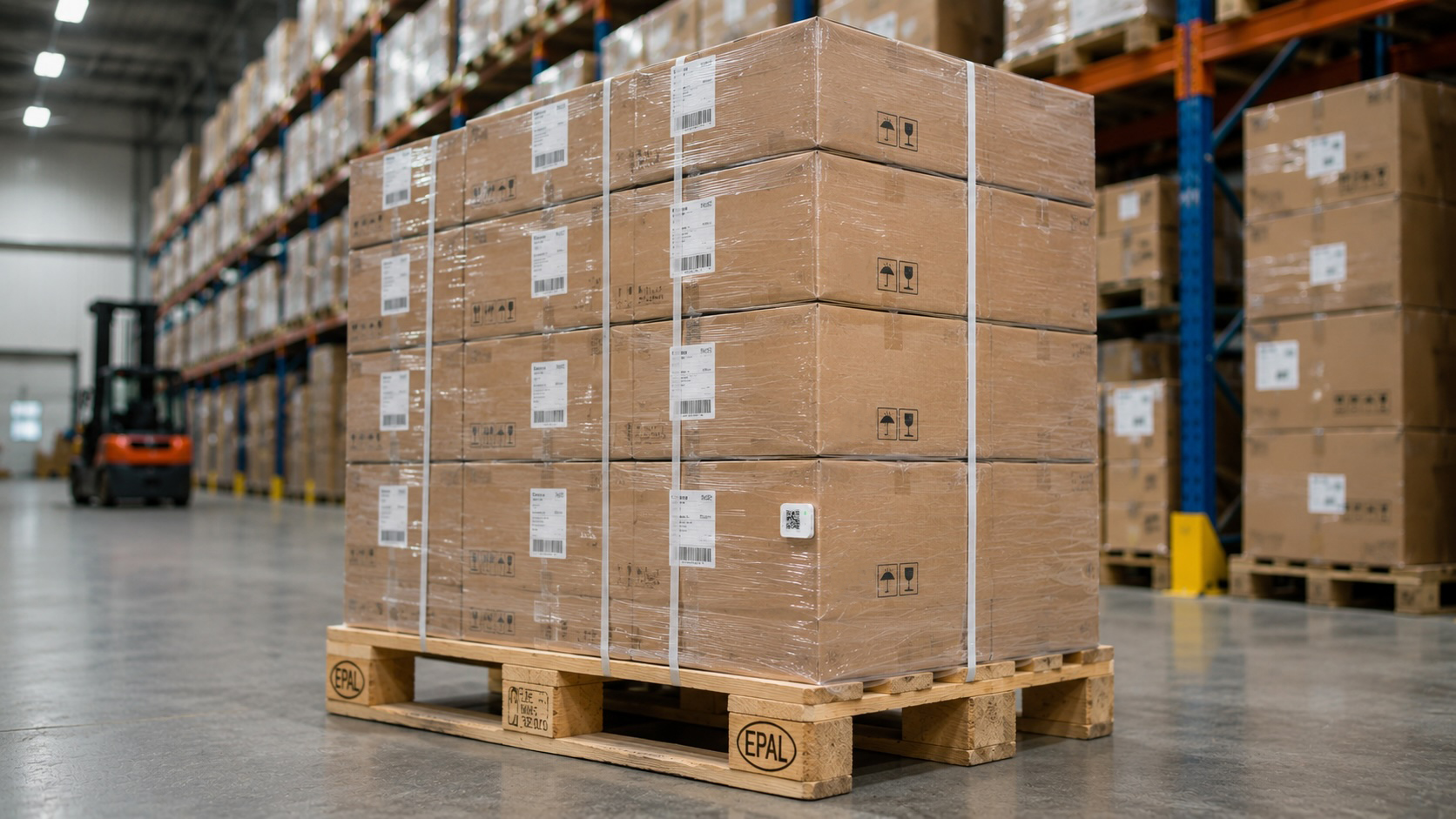
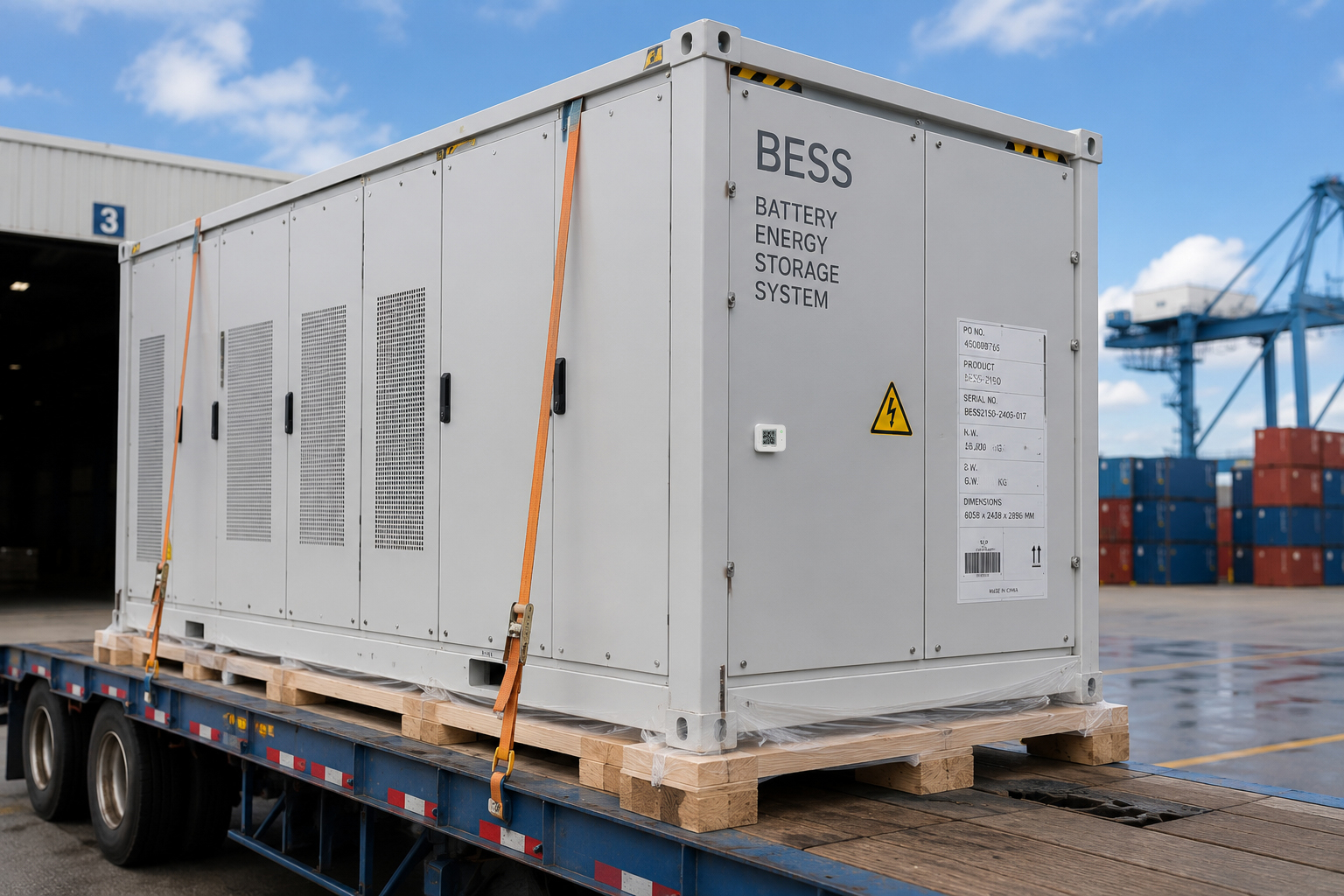
Logmore QR data logger attached to a battery energy storage system shipment

Receiving evidence, not battery certification

Shipment evidence for battery inspection and quarantine decisions

Logmore records shocks, humidity exposure, light events, temperature context, scans, and reports. It supports transport decisions, but it is not battery safety certification.

Shock eventsHumidity exposureLight eventsTemperature contextReceiving inspectionQuarantine reviewCarrier escalationWarranty evidence
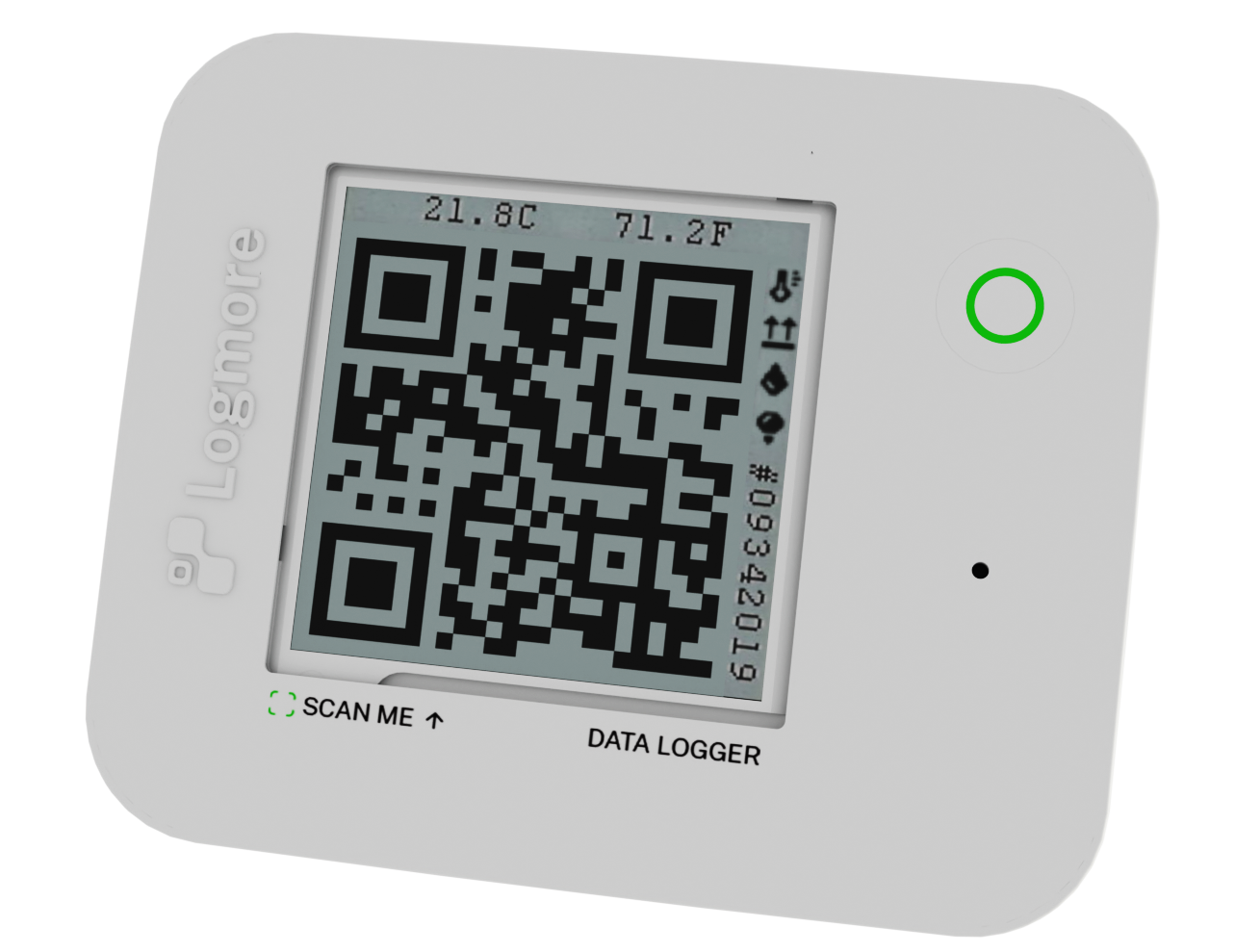
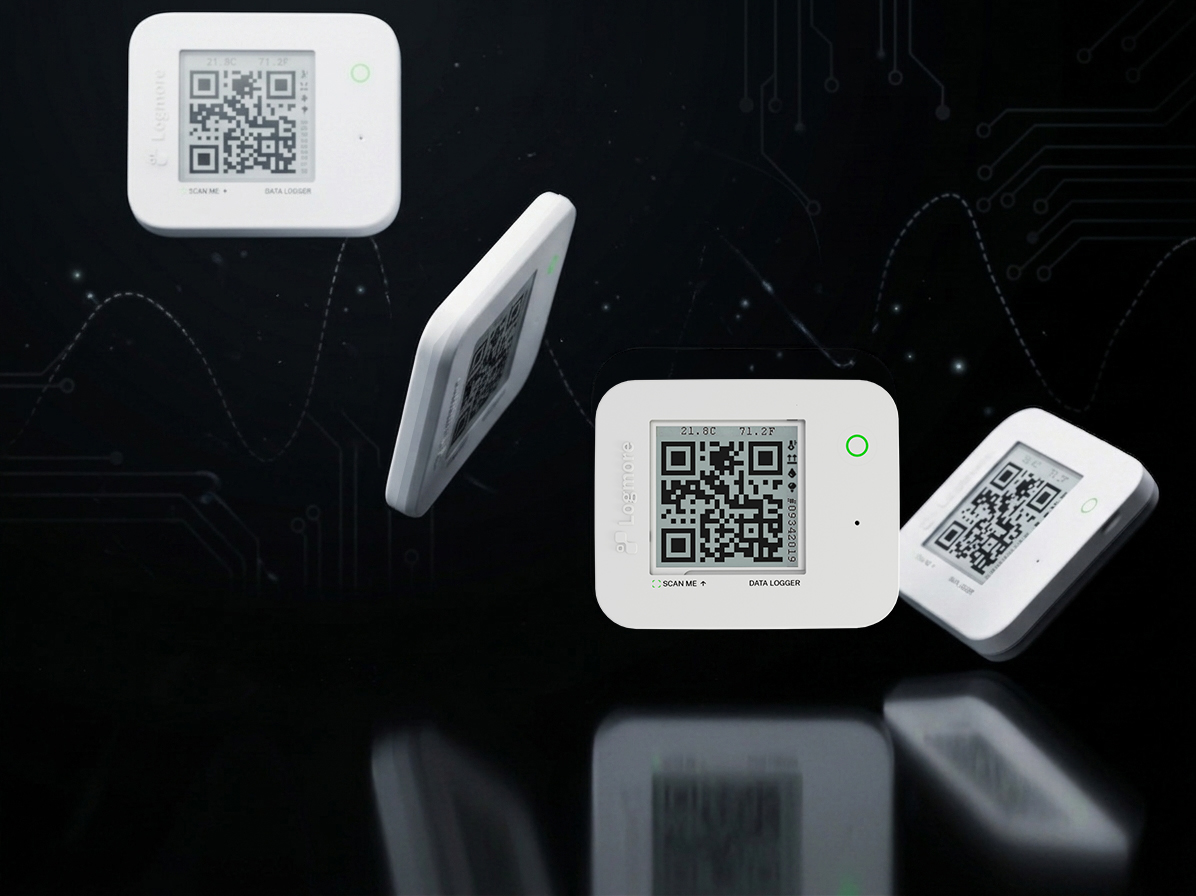
Logmore QR data loggers floating over a dark technical background

Receiving inspection

Scan at receiving to upload the condition history before deciding whether the shipment can continue into inventory.

Quarantine review

Use shock, humidity, light, and temperature-context evidence to decide whether a battery shipment needs extra inspection or hold.

Shipment evidence only

Logmore helps document transport conditions. It does not certify battery safety, chemistry, state of health, or product compliance.

Carrier and packaging follow-up

Turn condition reports into carrier reviews, warranty discussion material, route comparisons, and packaging improvement work.

Industry solution

Battery and BESS shipment monitoring built around receiving decisions.

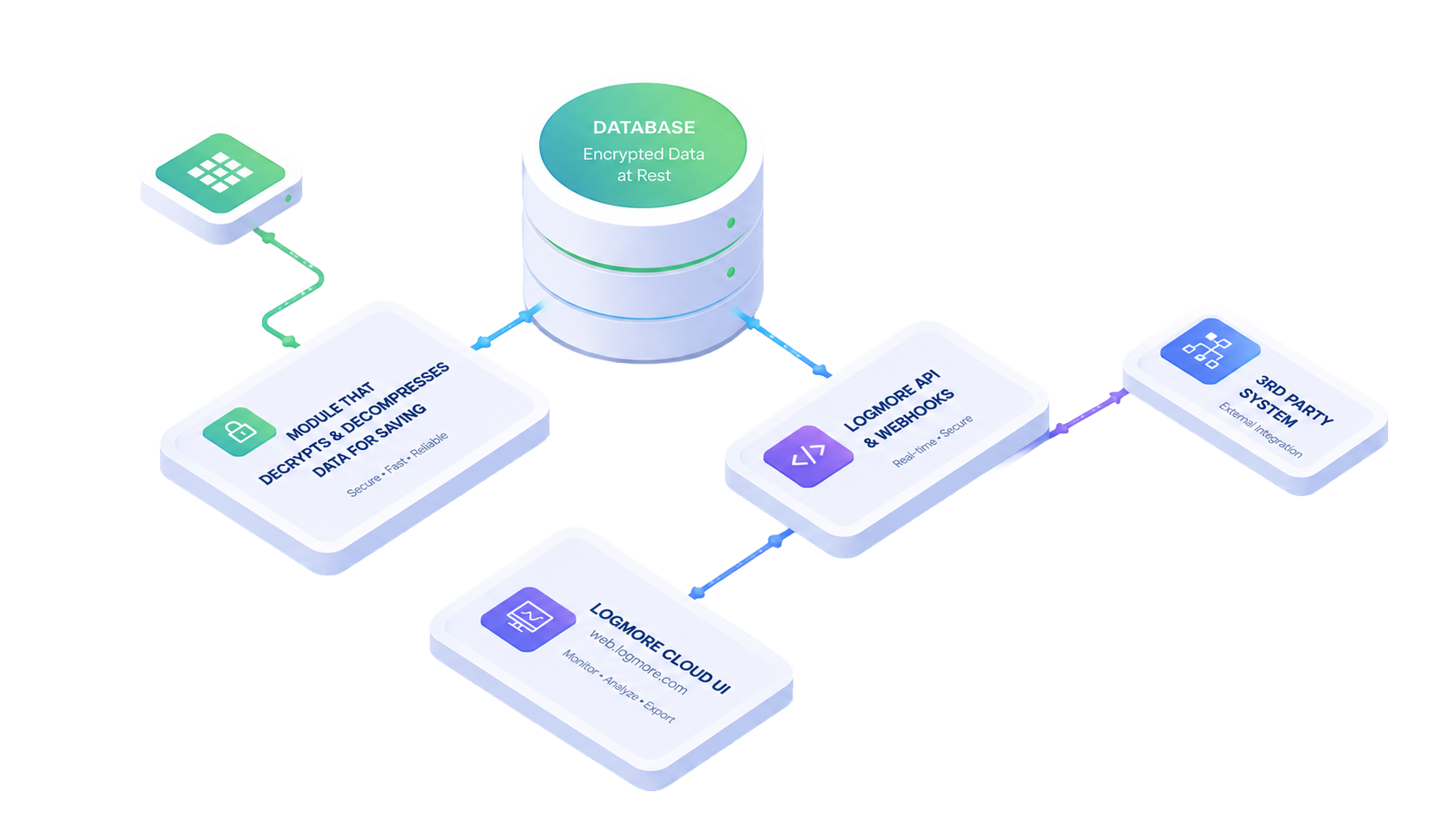
Logmore connects the full monitoring loop: QR data loggers collect trusted condition data, Logmore Cloud turns it into reports and dashboards, and the API brings the evidence into enterprise workflows.

For battery and BESS logistics, condition monitoring has to support clear receiving decisions. Logmore brings QR data loggers, shock and humidity monitoring, light-event context, cloud reports, and API-ready data into one inspection and escalation workflow.

Receiving inspection

Evidence before accepting battery shipments

Scan the QR logger at receiving to review shock, humidity, light, and temperature context before a pack, module, or BESS component moves into inventory.

Logmore QR data logger attached to a battery energy storage system shipment

Quarantine and escalation

Clear evidence for holds, carriers, and warranty review

Use condition history to decide whether a shipment should be inspected, quarantined, escalated with the carrier, or reviewed for warranty and packaging improvements.

Logmore QR data logger attached to a palletized shipment

Common use cases

  • Battery module and pack transport
  • Battery energy storage system component logistics
  • EV battery supply chains
  • Electronics and power systems shipments
  • Return, replacement, and warranty logistics

Monitoring needs

  • Shock events indicating drops, impacts, or rough handling
  • Humidity exposure that may create quality or corrosion concerns
  • Temperature context for receiving, storage, and carrier review
  • Light and scan events that reconstruct shipment handling

Why Logmore

  • QR scans at receiving before accept, inspect, quarantine, or escalate decisions
  • Shock, humidity, light, and temperature context in one shipment record
  • Reports for warranty, nonconformance, carrier, and packaging review
  • API-ready data for quality systems, WMS, TMS, and control towers

Product stack

The new standard for battery shipment monitoring.

Logmore replaces traditional USB data loggers with a more secure, easy-to-use, and scalable cloud-based workflow: scan the QR logger, upload evidence online, review reports in Logmore Cloud, and automate the flow through integrations when your operation grows.

QR data loggers

No USB readers or installed apps

Replace manual USB retrieval with QR data loggers that upload shipment evidence securely online through a phone scan.

Learn more

Logmore Cloud

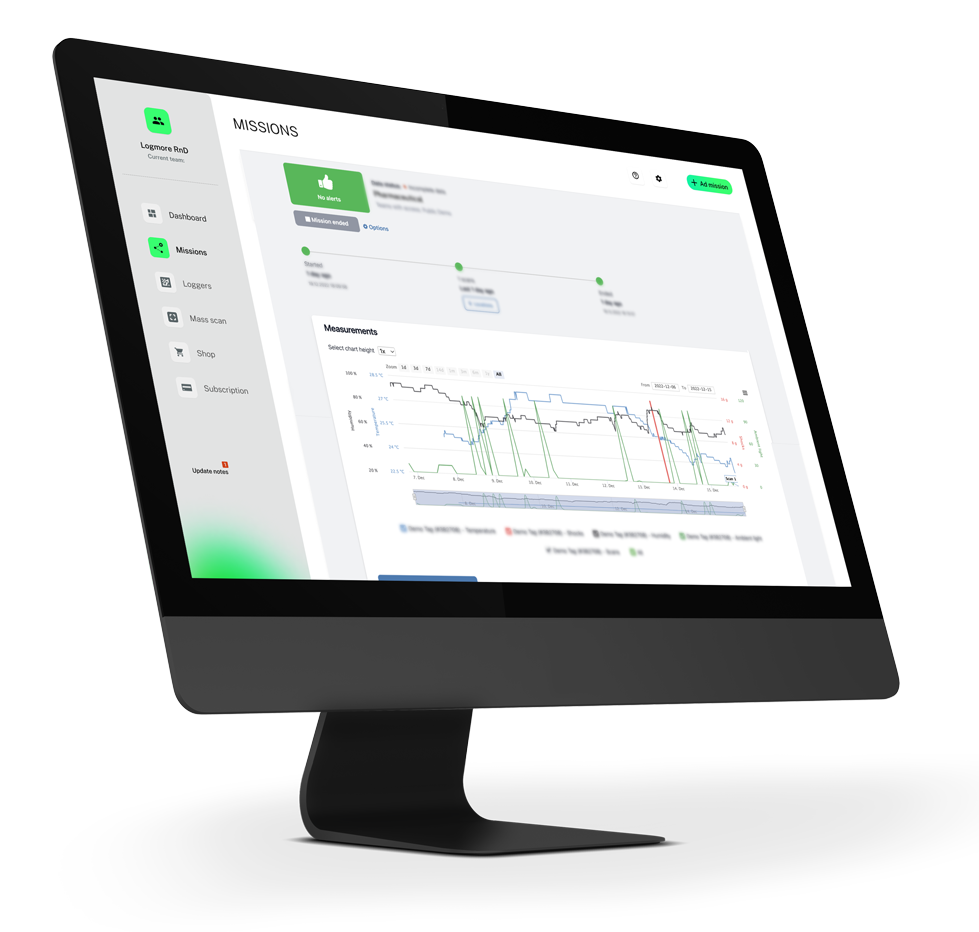
Receiving reports, dashboards, and evidence exports

Mission views, shock and humidity history, light events, temperature context, and reports support receiving decisions.

Learn more

Logmore API

Scale beyond manual handling

Connect mission setup, measurements, alerts, comments, and exports to quality systems, control towers, WMS, or TMS workflows.

Learn more

Logmore fit

From shipment condition data to decisions, evidence, and action.

The solution combines sensor-equipped QR data loggers, condition reports, receiving scan evidence, dashboards, and API automation for battery transport quality.

Battery-specific handling evidence

Logmore loggers can capture humidity, shocks, light, scan location, and temperature context for high-value battery shipments.

  • Shock events indicating drops, impacts, or rough handling
  • Shock, humidity, light, and temperature context for high-value shipments
  • Battery module and pack transport

Reports for receiving and quarantine decisions

Condition reports help receiving teams decide whether to accept, inspect, quarantine, or escalate a shipment.

  • Humidity exposure that may create quality or corrosion concerns
  • QR scans at receiving support accept, inspect, quarantine, or escalation decisions
  • Battery energy storage system component logistics

Evidence for carriers, packaging, and warranty work

Dashboards and exports help compare routes, packaging, carriers, and handling points before stress becomes warranty work.

  • Temperature context for receiving, storage, and carrier review
  • Evidence for warranty, nonconformance, carrier, and packaging reviews
  • EV battery supply chains

Operational workflow

From shipment event to receiving decision.

Follow shock, humidity, light, temperature context, and receiving scan evidence into practical accept, inspect, quarantine, or escalation decisions.

Set evidence thresholds

Define shock, humidity, light, and temperature-context thresholds for the battery format, packaging, lane, and receiver process.

Person configuring shipment monitoring settings on a laptop

Scan before the decision

A QR scan uploads the condition history before the shipment moves forward, gets inspected, or is held.

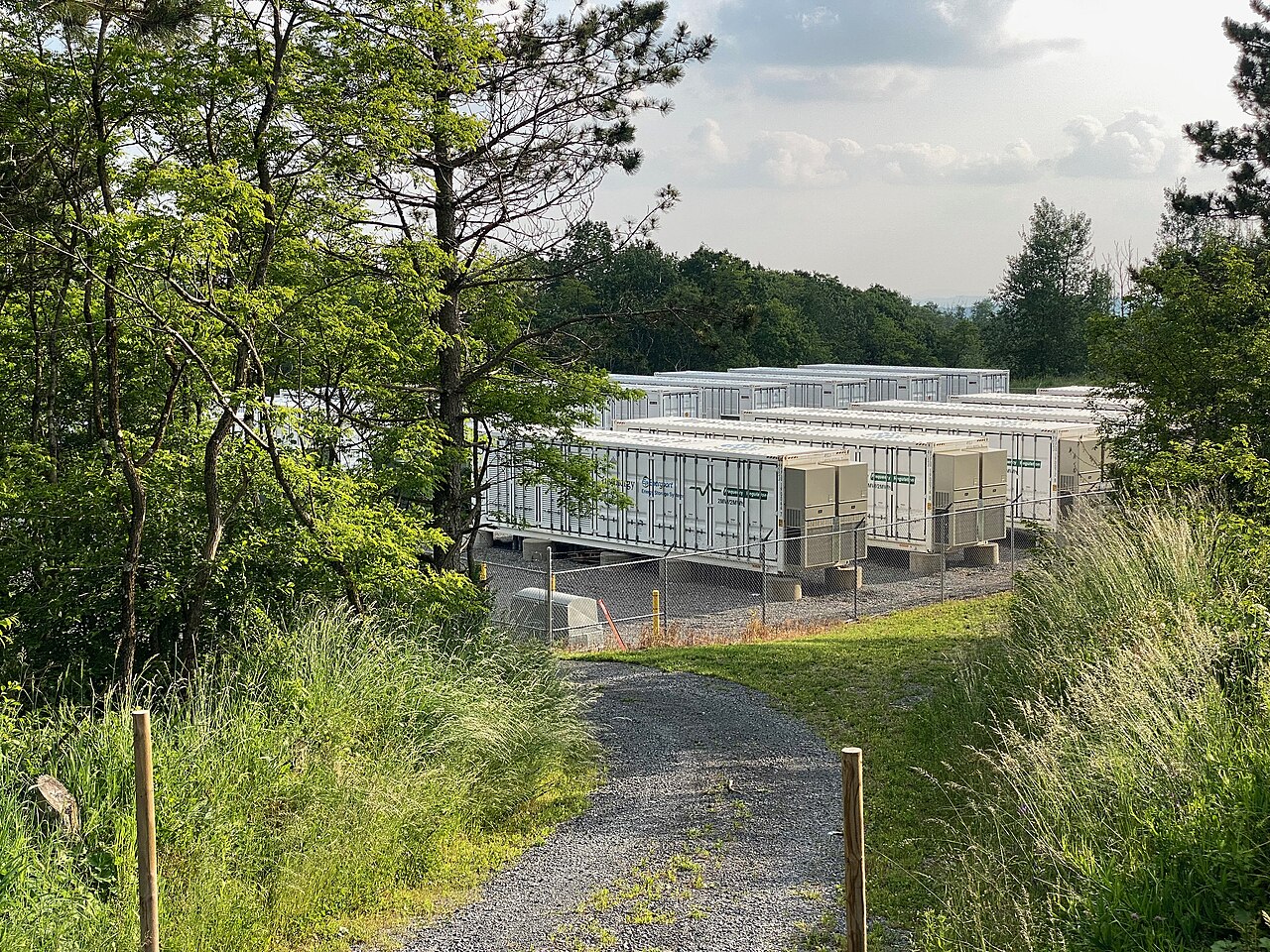
Battery energy storage system containers at a wind farm

Document the outcome

Use reports, exports, and API integrations for receiving decisions, nonconformance work, carrier review, and packaging improvement.

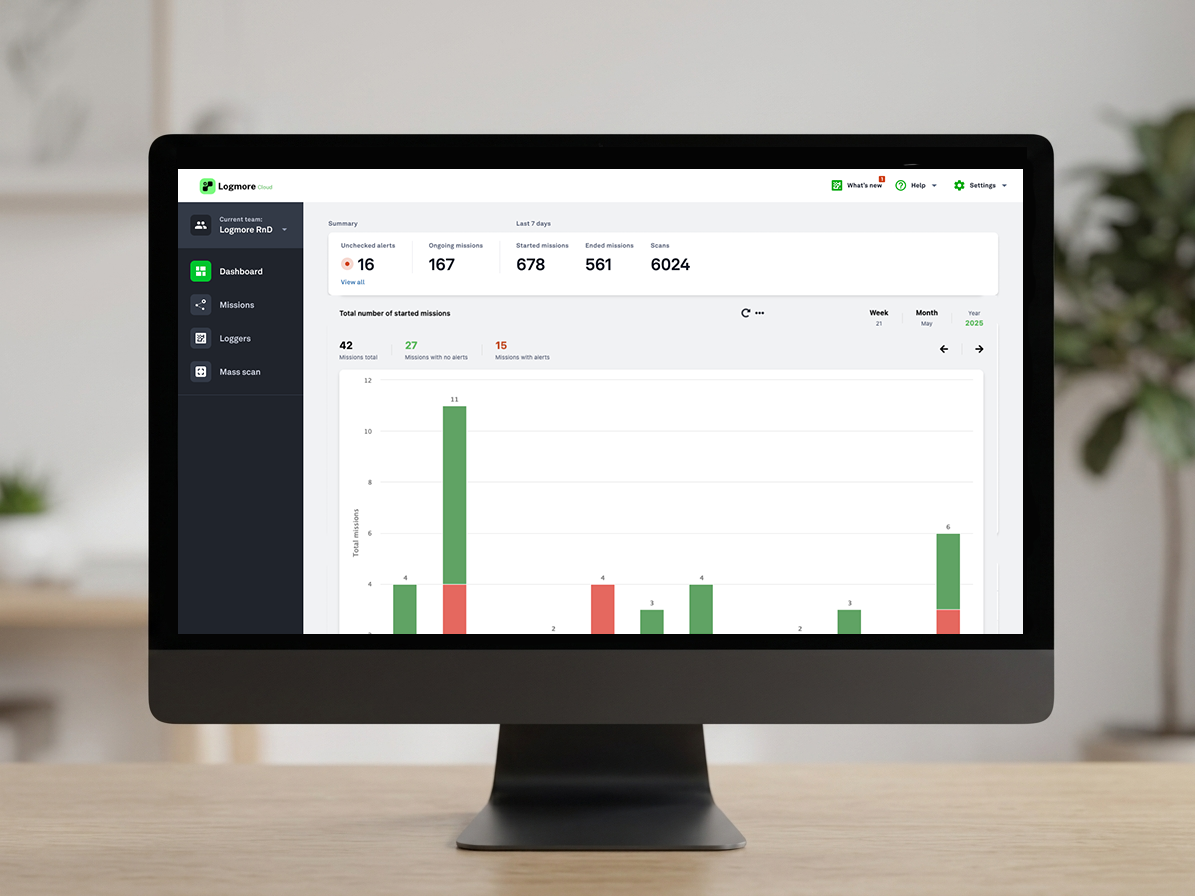
Logmore Cloud dashboard displayed on a desktop monitor

FAQ

Batteries & BESS monitoring questions

Short answers for battery logistics teams reviewing shipment evidence, receiving inspection, quarantine decisions, carrier escalation, and the limits of condition monitoring.

Can it monitor battery logistics and storage conditions?

Yes. Logmore can document battery and BESS logistics conditions such as shock, humidity exposure, light events, temperature context, scans, and shipment reports. It supports transport and storage review, but it does not certify battery safety, chemistry, state of health, or product compliance.

Is it suitable for production, warehousing, and shipping?

Yes. Logmore can support handoffs across production release, warehouse staging, transport, receiving inspection, quarantine review, returns, replacement, and warranty logistics where teams need condition evidence before the shipment moves forward.

What parameters can be tracked?

Depending on the logger model, Logmore can track shocks, humidity, ambient light, scan location, temperature context, and external probe temperature. The right sensor mix depends on the battery format, packaging, lane, and receiver process.

How do you handle alerts and deviations?

Teams define evidence thresholds for the shipment, such as shock, humidity, light, or temperature-context limits. When a scan uploads the condition history, reports and alerts help receiving and quality teams decide whether to accept, inspect, quarantine, or escalate the shipment.

Can it support traceability across the supply chain?

Yes. Logmore reports connect condition history with scan events, shipment context, handoff points, and exports, giving teams traceable evidence for carrier escalation, nonconformance review, warranty discussions, and packaging improvement.

Is it built for high-volume operations?

Yes. QR scans avoid dedicated reader hardware at receiving, while Logmore Cloud dashboards, reports, exports, and API integrations help larger teams compare routes, carriers, packaging, warehouses, and handling points across many shipments.
Build the right monitoring workflow for Batteries & BESS.

Talk with Logmore about battery shipment thresholds, receiving scans, quarantine review, carrier escalation, warranty evidence, and packaging improvement.