Chemical shipment condition monitoring

Monitor temperature, humidity, shock, light, and scan events for regulated lanes, quality control, packaging reviews, and customer claims.

  • Temperature and humidity evidence for sensitive chemical products
  • Shock, light, and scan records for packaging and handling reviews
  • Workflows for regulated documentation or everyday quality control
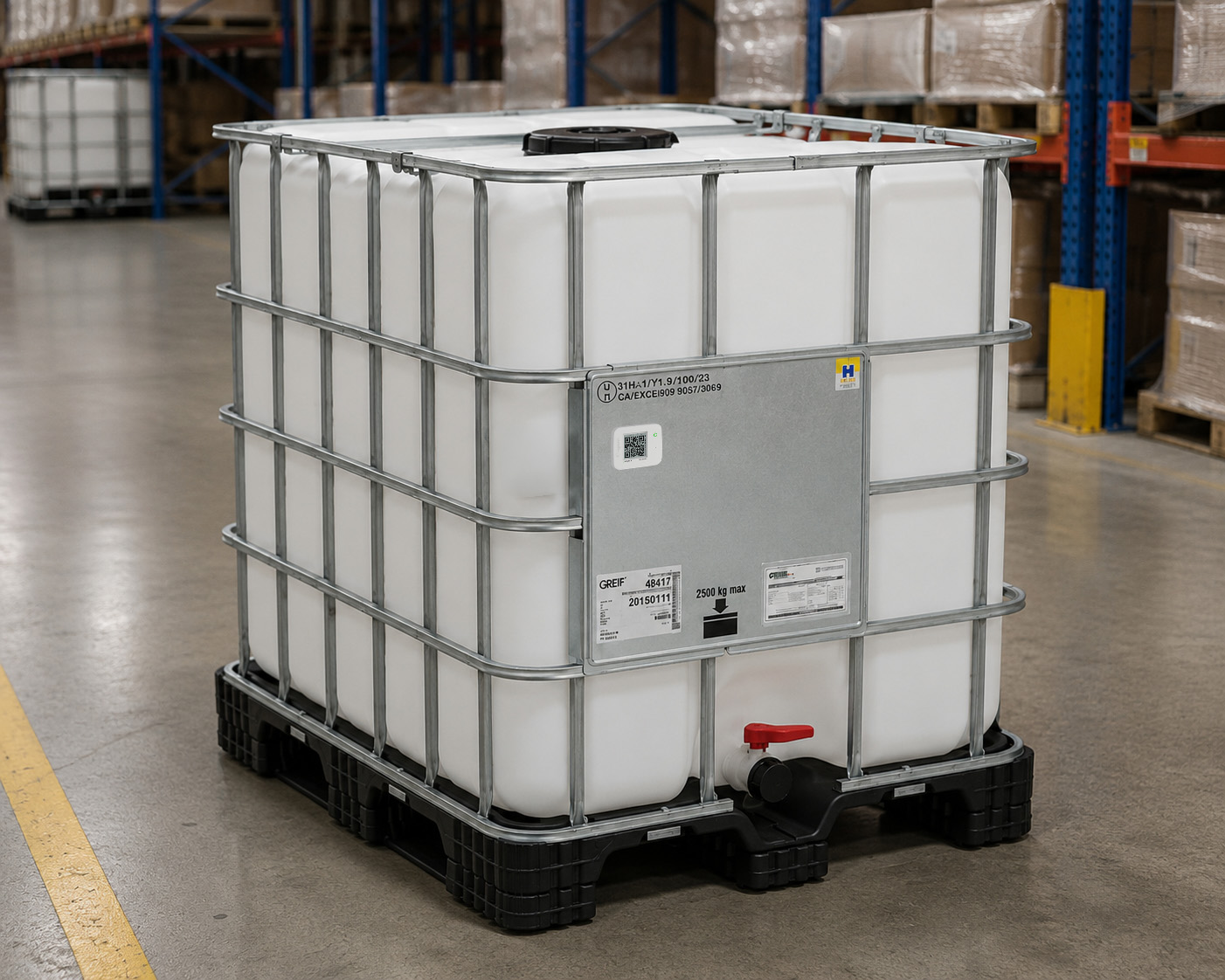
Logmore QR data logger attached to an IBC tank in a warehouse

Regulated handling or quality-control evidence

Two chemical monitoring patterns: regulated handling and practical quality control

Some lanes need regulated-style records. Others need practical evidence for quality, packaging, labels, handling, or claims. Logmore supports both.

Regulated handlingQuality controlTemperatureHumidityShock evidenceLight eventsPackaging reviewLabel investigations
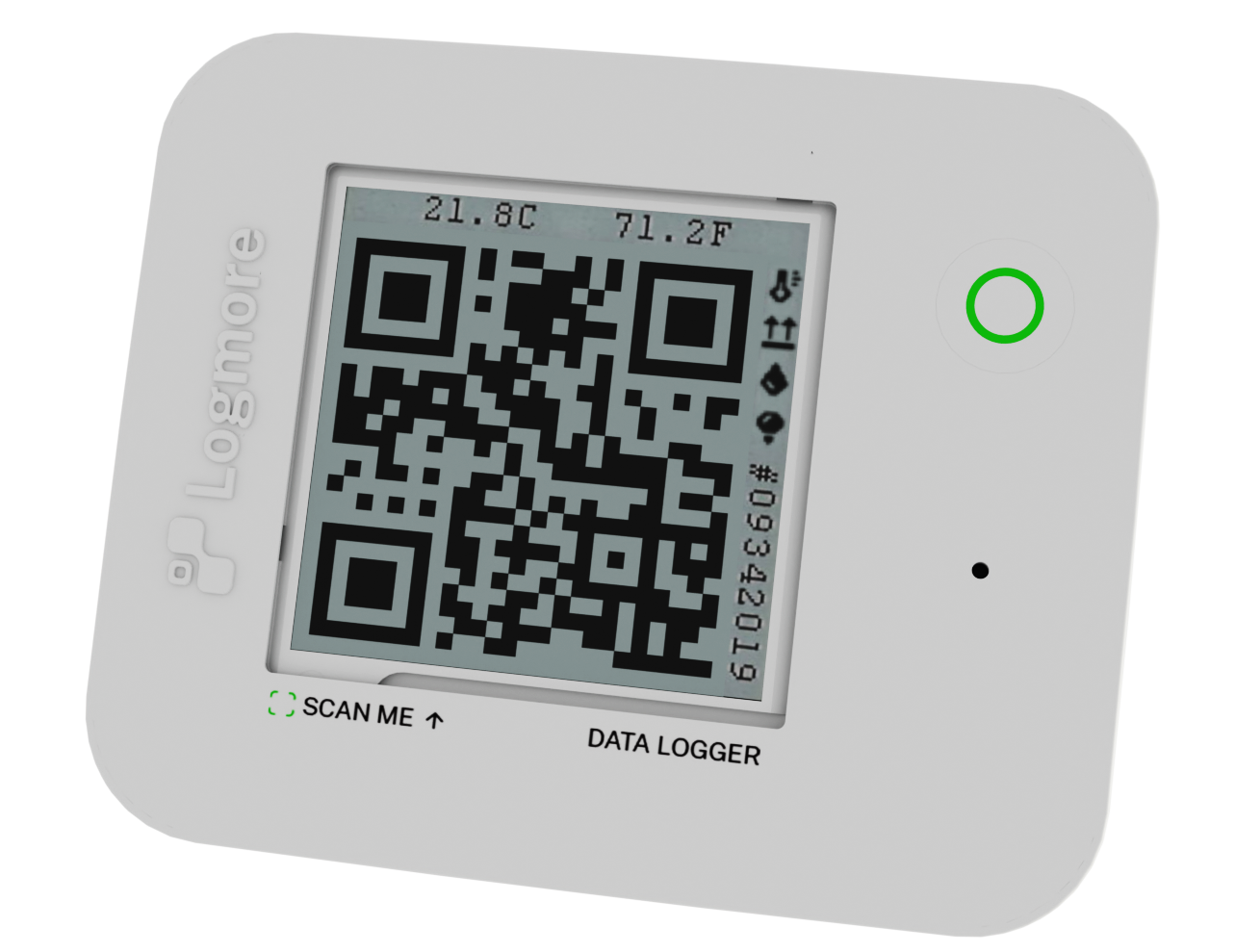
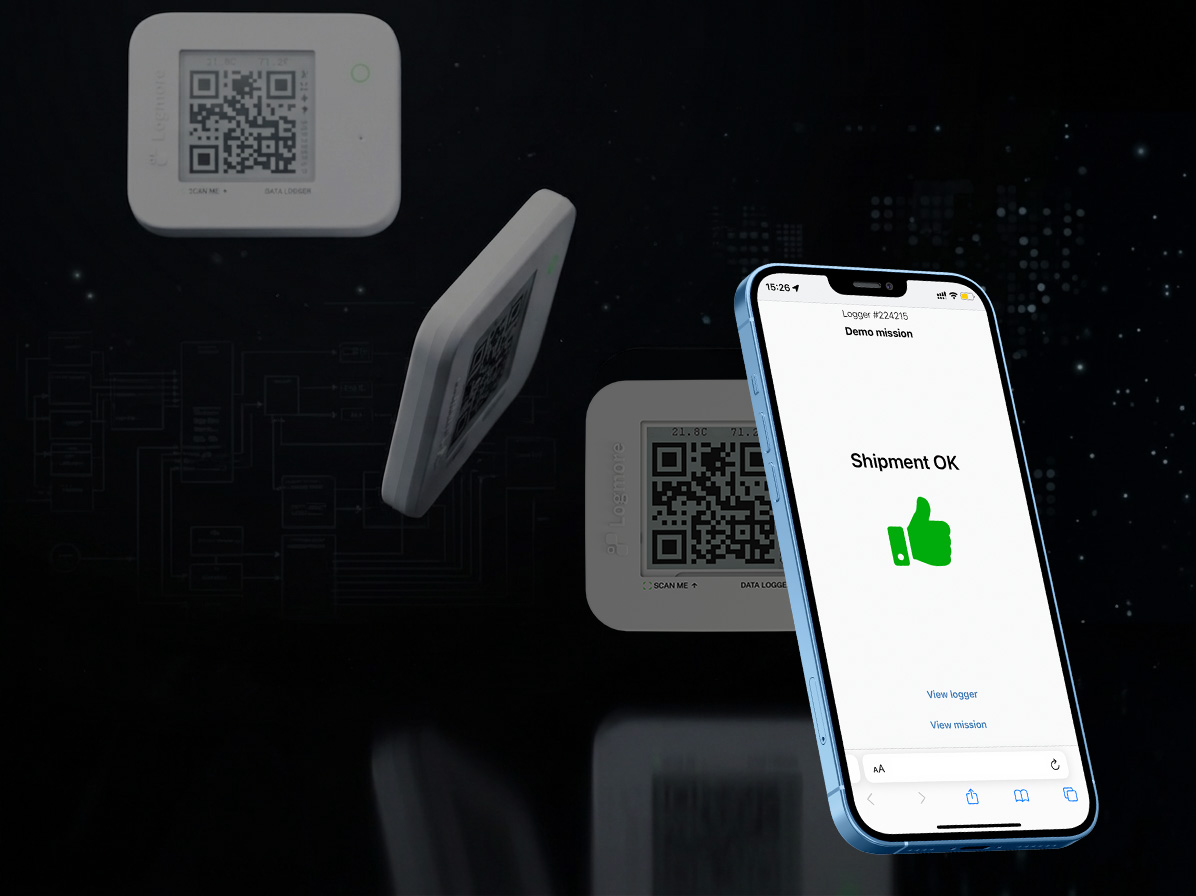
Logmore QR data loggers and scan result on a dark technical background

Regulated chemical handling

Use temperature and humidity records, exports, and shipment reports when a lane needs stricter documentation or customer release evidence.

General quality control

Use condition reports to review commercial quality questions without building a full regulated workflow around every shipment.

Packaging and label risk

Humidity, shock, light, and scan context can help explain damaged packaging, label readability issues, seal concerns, or exposure events.

Handling and carrier follow-up

Use reports to discuss rough handling, route issues, carrier performance, customer complaints, or claims with a shared evidence base.

Industry solution

Chemical shipment monitoring split by regulated handling and quality-control needs.

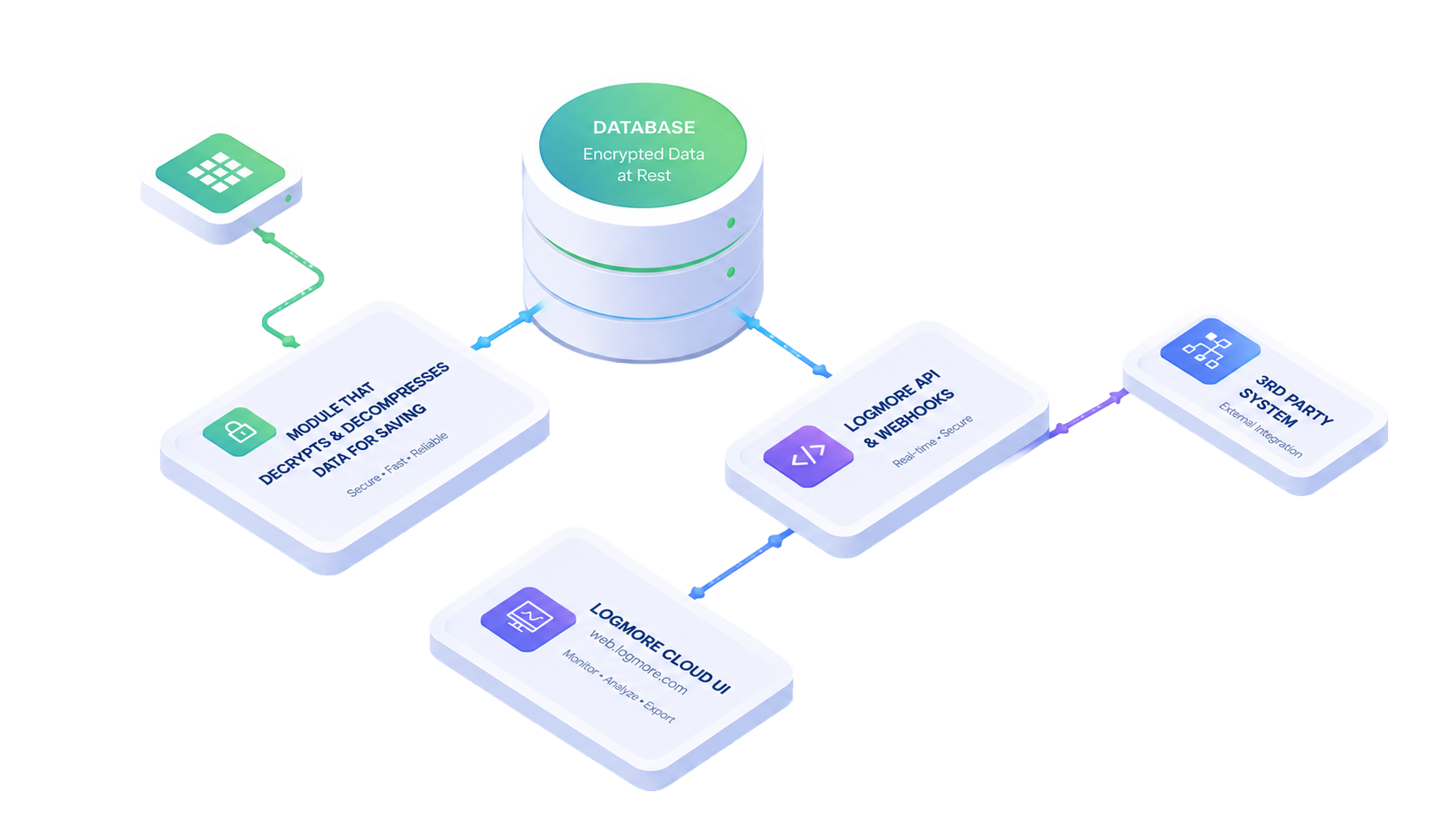
Logmore connects the full monitoring loop: QR data loggers collect trusted condition data, Logmore Cloud turns it into reports and dashboards, and the API brings the evidence into enterprise workflows.

For chemical logistics, condition monitoring has to fit the material, route, customer requirement, and documentation need. Logmore brings QR data loggers, temperature and humidity monitoring, shock and light context, and API-ready reports into practical quality workflows.

Regulated

Temperature-sensitive specialty chemical

Use reports and exports when the customer or quality process needs a clear temperature and humidity record.

Iron drums at a chemical works

Packaging

Drum, pouch, or carton damage

Shock and humidity context helps show whether packaging stress, moisture exposure, or rough handling contributed.

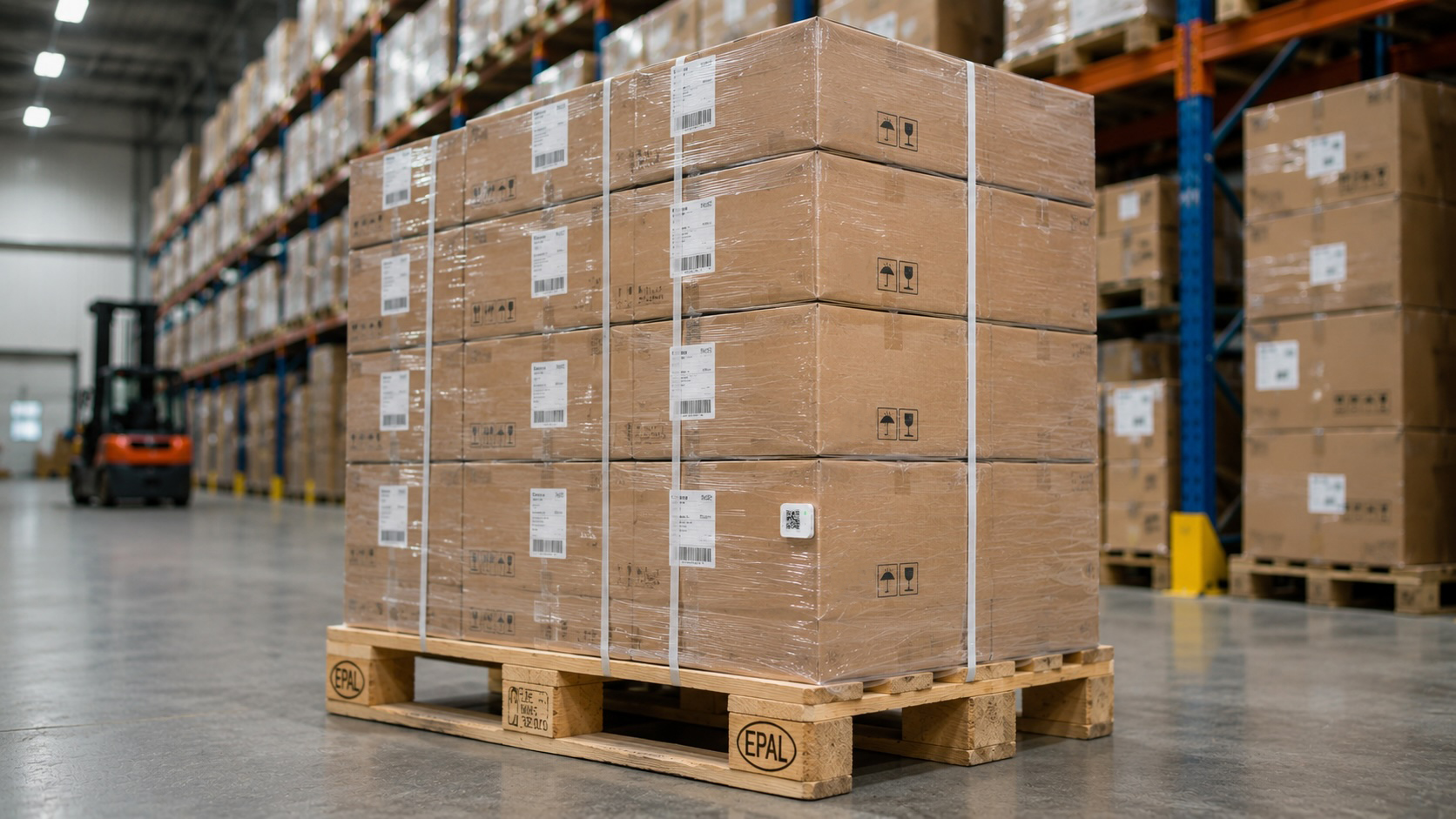
Logmore QR data logger attached to a palletized shipment

Common use cases

  • Regulated or customer-specified chemical handling
  • General chemical quality-control shipments
  • Specialty chemicals, additives, and sensitive materials
  • Packaging, label, and seal investigations
  • Supplier, carrier, and customer claims

Monitoring needs

  • Temperature excursions that may affect stability or specifications
  • Humidity exposure affecting packaging, powders, labels, or product quality
  • Shock and light events when handling is disputed
  • Reports and exports for customer, carrier, and quality review

Why Logmore

  • One scan-first workflow for regulated lanes and everyday quality control
  • Temperature, humidity, shock, light, and scan context in one shipment record
  • Reports for packaging, label, handling, customer, and carrier reviews

Product stack

The new standard for chemical shipment monitoring.

Logmore replaces traditional USB data loggers with a more secure, easy-to-use, and scalable cloud-based workflow: scan the QR logger, upload evidence online, review reports in Logmore Cloud, and automate the flow through integrations when your operation grows.

QR data loggers

No USB readers or installed apps

Replace manual USB retrieval with QR data loggers that upload shipment evidence securely online through a phone scan.

Learn more

Logmore Cloud

Chemical reports, dashboards, and exports

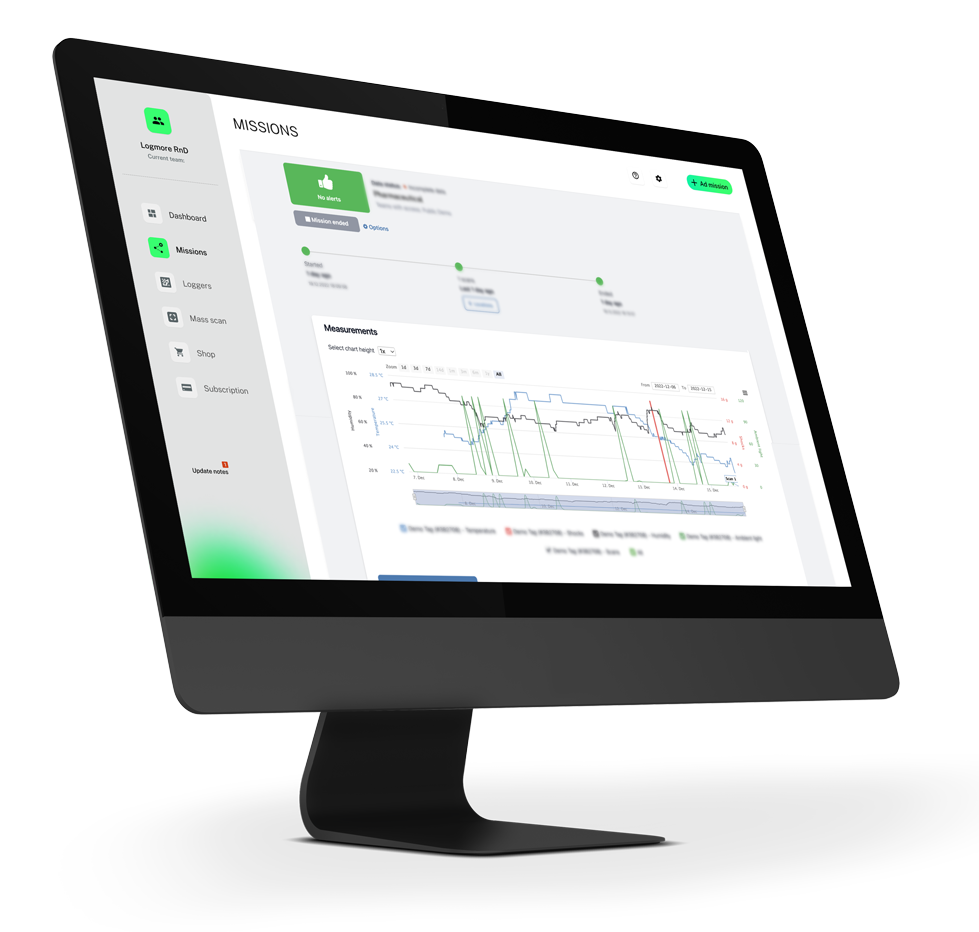
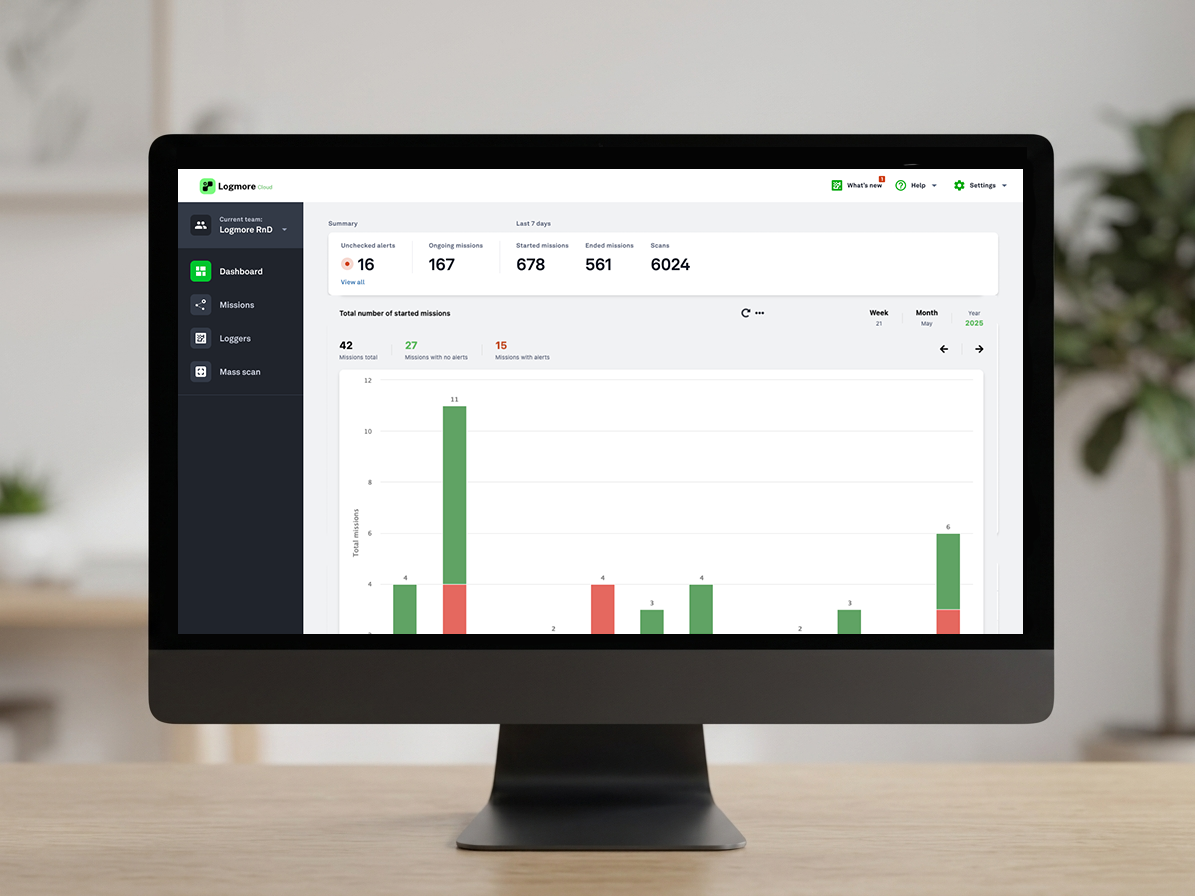
Mission views, temperature and humidity history, shock and light events, and reports support chemical quality review.

Learn more

Logmore API

Scale beyond manual handling

Connect mission setup, measurements, alerts, comments, and exports to quality systems, control towers, WMS, or TMS workflows.

Learn more

Logmore fit

From shipment condition data to decisions, evidence, and action.

The solution combines sensor-equipped QR data loggers, shipment reports, condition timelines, dashboards, and API automation for documentation, packaging, label, and handling risk.

Regulated handling where documentation matters

For stricter chemical lanes, Logmore keeps condition data, reports, comments, and exports connected to the shipment record.

  • Temperature excursions that may affect stability or specifications
  • Temperature and humidity evidence for sensitive chemical products
  • Regulated or customer-specified chemical handling

Quality-control lanes where practicality matters

For everyday quality control, teams can review condition context without turning every shipment into a heavy compliance process.

  • Humidity exposure affecting packaging, powders, labels, or product quality
  • Shock, light, and scan records for packaging and handling reviews
  • General chemical quality-control shipments

Evidence for packaging, labels, and handling disputes

Reports show whether humidity, light, rough handling, or route conditions may explain packaging, label, or claim issues.

  • Shock and light events when handling is disputed
  • Workflows for regulated documentation or everyday quality control
  • Specialty chemicals, additives, and sensitive materials

Operational workflow

From chemical shipment question to usable evidence.

Start with the lane type, capture the relevant condition signals, then use reports for release, packaging review, label investigation, carrier follow-up, or customer claims.

Choose the use case

Decide whether the shipment needs regulated records, practical quality control, or packaging and handling evidence.

Person reviewing shipment monitoring settings on a laptop

Monitor the risk signals

Scans upload temperature, humidity, shock, light, and location context when a shipment is questioned.

Iron drums at a chemical works

Resolve the quality question

Use reports and exports for release, packaging fixes, label investigations, supplier communication, and claims.

Logmore Cloud dashboard displayed on a desktop monitor

FAQ

Chemicals monitoring questions

Short answers for chemical logistics teams comparing regulated handling, practical quality-control monitoring, packaging risk, label issues, and carrier claims.

Is it suitable for storage and transport?

Yes. Logmore can support chemical storage and transport workflows where teams need condition evidence for regulated handling, everyday quality control, packaging reviews, label investigations, customer claims, or carrier follow-up.

What conditions can be monitored?

Depending on the logger model, Logmore can monitor temperature, humidity, shock, light, scan events, scan location, and external probe temperature. The right setup depends on the material, route, customer requirement, and documentation need.

How do alerts and escalation work?

Teams can define thresholds for the conditions that matter on a lane. When a scan uploads the condition history, Logmore Cloud reports, alerts, and exports help quality, logistics, supplier, carrier, or customer teams review the deviation and decide the next action.

Can it help with compliance and traceability?

Yes. For stricter chemical lanes, Logmore keeps condition data, scan events, reports, comments, and exports connected to the shipment record. That gives teams a traceable evidence base for documentation, customer release evidence, quality review, and claims.

Can it integrate into existing workflows?

Yes. Teams can use Logmore Cloud reports directly, export data as PDF, Excel, or CSV, or connect condition data through API workflows when monitoring needs to fit existing quality systems, control towers, WMS, TMS, or customer reporting processes.
Build the right monitoring workflow for Chemicals.

Talk with Logmore about chemical shipment thresholds, regulated documentation, packaging risk, label investigations, handling events, and carrier follow-up.