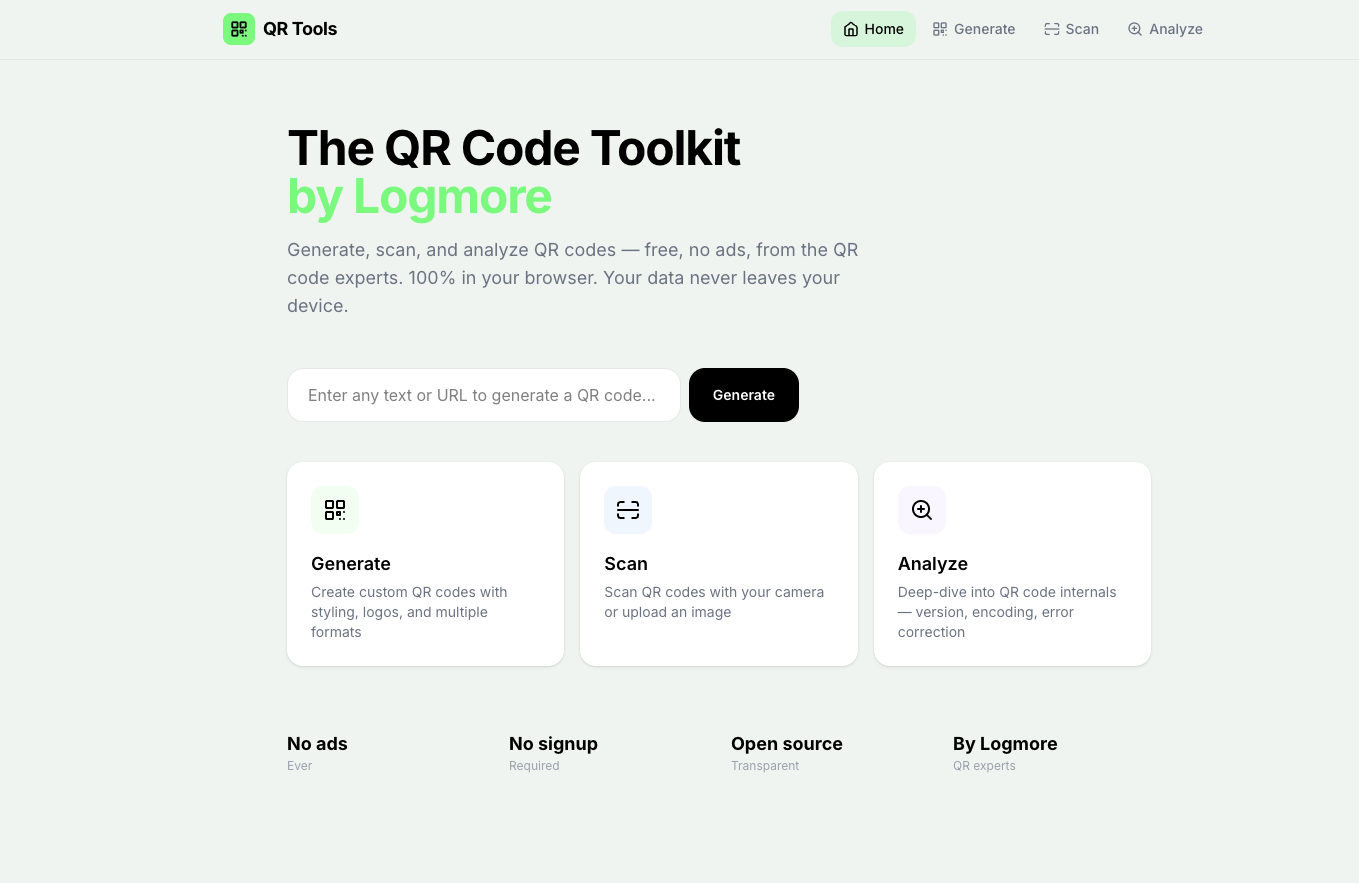
Free QR Code Tools for Everyone as Logmore Opens Up Its Toolkit
Logmore has publicly released its internal suite of QR code tools. Free QR code generator, QR code scanner and QR code analyzer are available at qr.logmore.com.
Read moreResources
Practical notes for teams using condition data to improve quality, logistics, compliance, and customer conversations.
Logmore has publicly released its internal suite of QR code tools. Free QR code generator, QR code scanner and QR code analyzer are available at qr.logmore.com.
Read more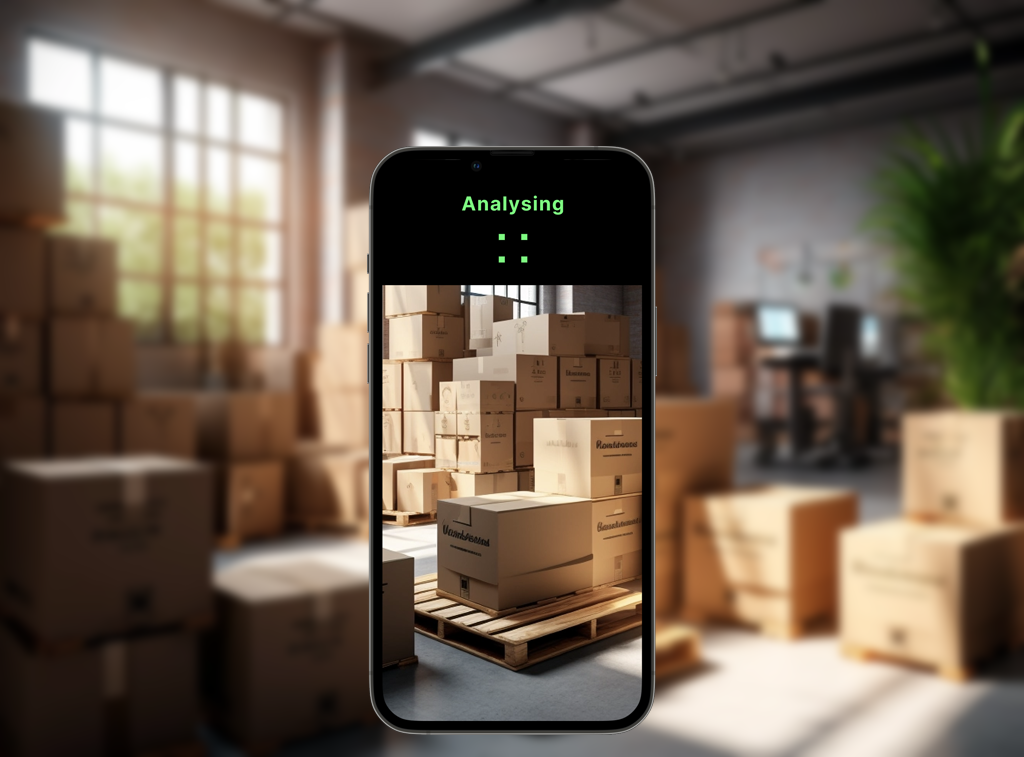
Our new AI tool is designed to drastically reduce the time spent on manually documenting and inspecting shipments, simultaneously improving the quality of your data.
Read more
The supply chains for pharmaceuticals and food have become substantially safer with the adoption of temperature monitoring technology. The next big step of preventing waste will however require new approaches and tools.
Read more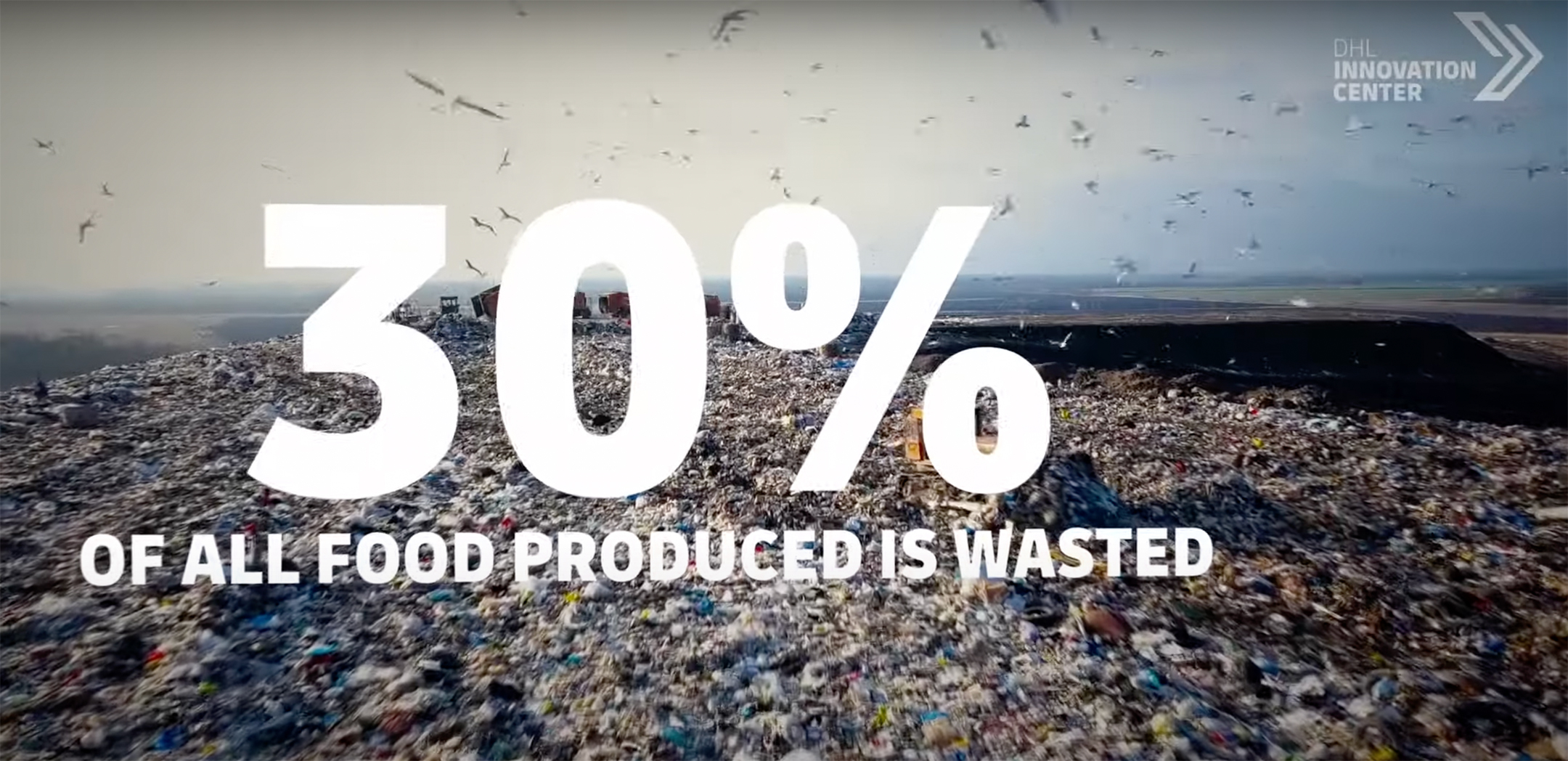
When innovation meets purpose, the results can be truly impactful. This notion comes to life in a new video released by DHL, spotlighting their implementation of an IoT solution aiming to reduce food waste while managing onboard food service. We’re proud to reveal that this solution utilizes co-branded Logmore devices and software, bringing sustainability and efficiency to the forefront.
Read more
The trucking sector plays a crucial role in the movement of goods and services globally. However, with the rising costs, increasing demand for quicker delivery times, and shortage of drivers businesses continuously try to find the options to optimize their processes. And the solution available to the above problems is route optimization software.
Read more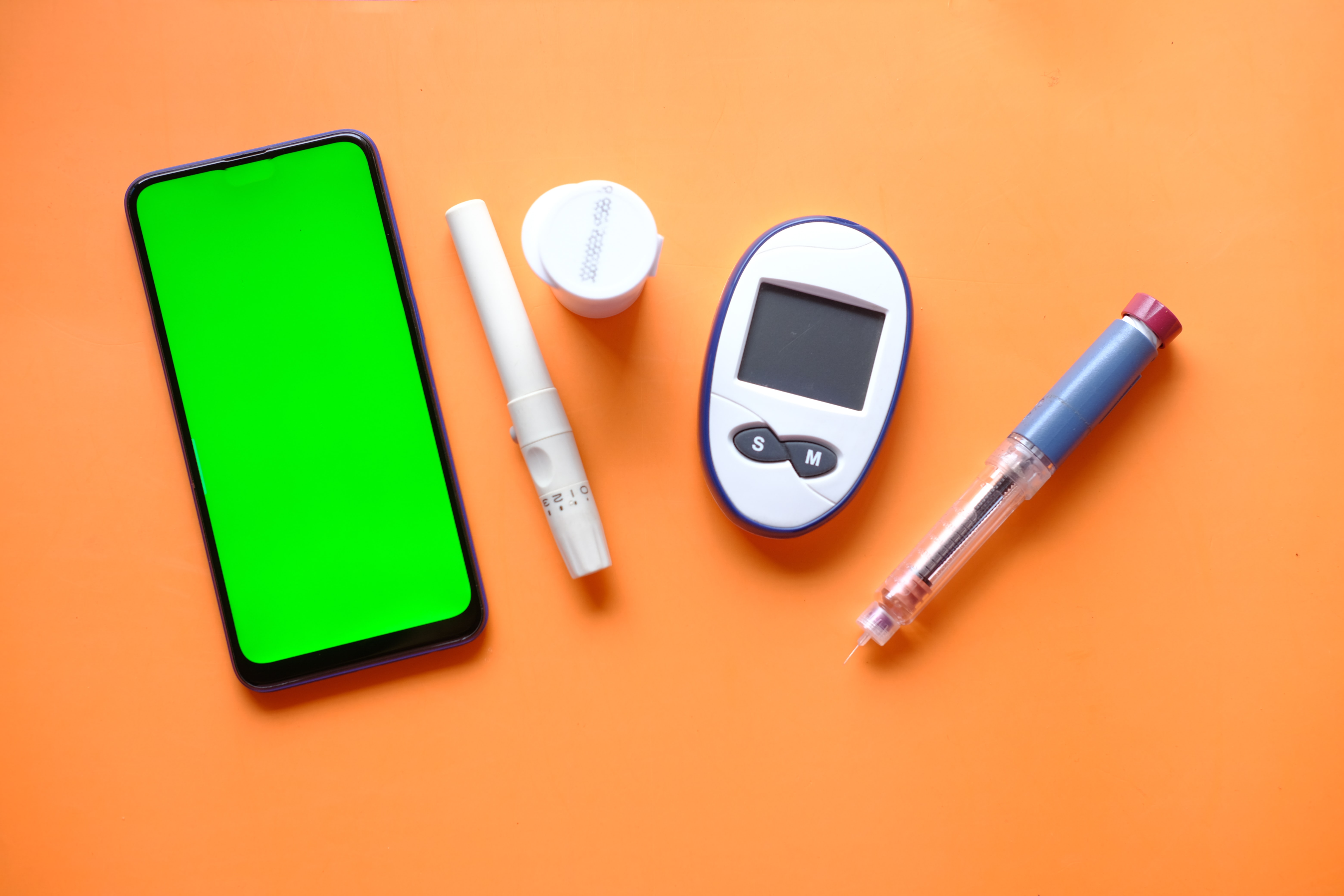
Learn about the complexity of the insulin supply chain and the challenges of ensuring patients have access. This article explores the various stages of insulin production and distribution.
Read more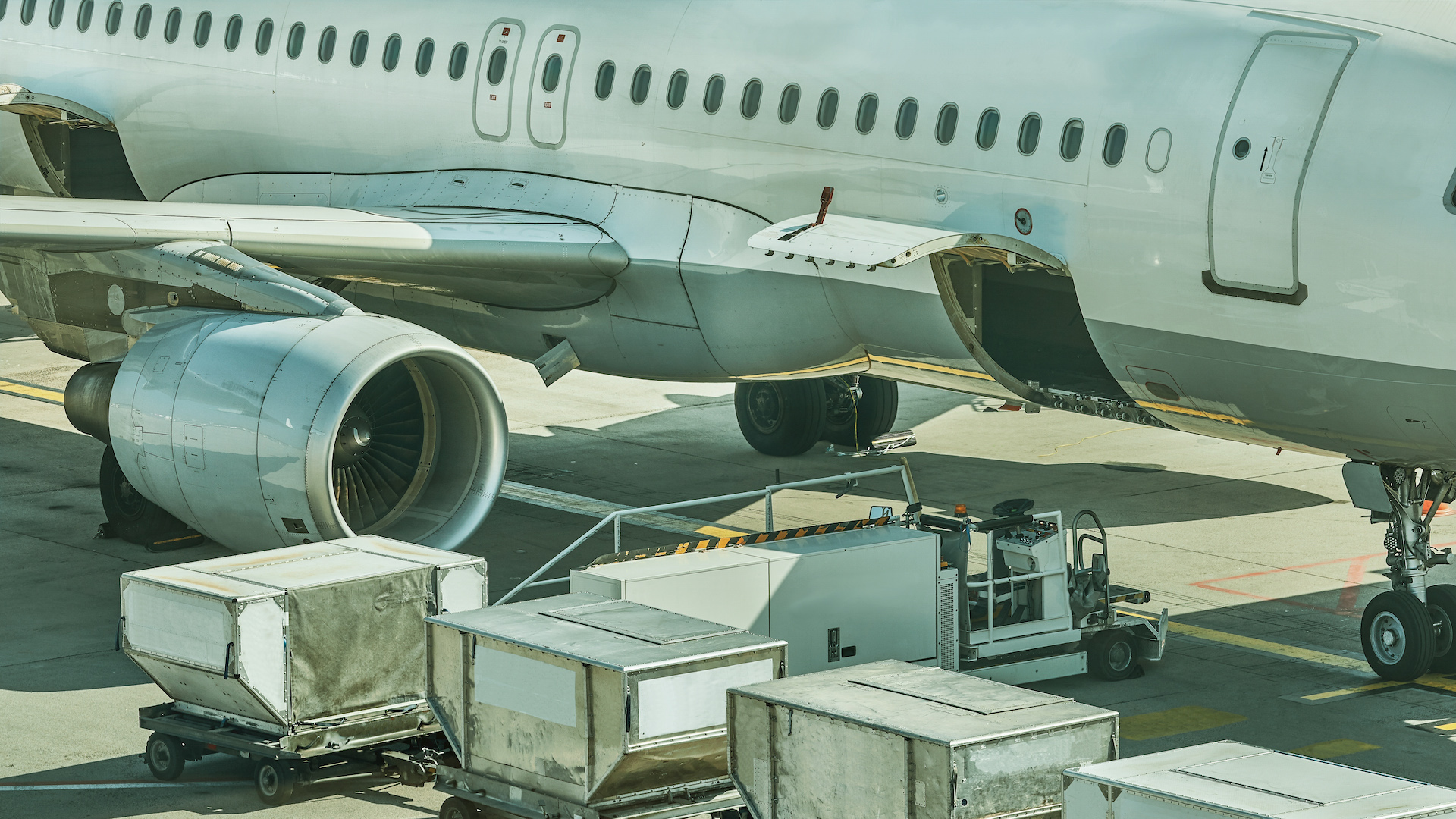
For companies shipping products overseas, ocean and air freight are the only options. And when time is of the essence, ocean is ruled out. So, let's turn to air freight for answers.
Read more
When reliability and speed are crucial, supply chain logistics can be the difference between a company thriving or withering away. Efficient supply chain logistics means faster, more predictable shipping that reduces costs and inventory while increasing revenue and customer satisfaction.
Read more
Global shipping, whether by ship, plane, train, or truck, is a major contributor to greenhouse gas emissions. By reducing transportation needs, we help the environment.
Read more
For many people, wine is a daily drink consumed with dinner. The Blue Zones studies of areas of the world with the highest percentage of people living over 100 years show that in four of the five Blue Zones, people consume alcoholic beverages daily but in moderation. For wine to become an enjoyable part of people’s daily routines, it must go from the vineyard to the consumer without spoiling.
Read more
USB data loggers have long dominated the supply chain. This is changing. Risks associated with USB data loggers have led many to consider newer high-tech wireless data loggers. For the cold chain, a low-tech solution, QR codes may well be the best solution once you consider all the parameters.
Read more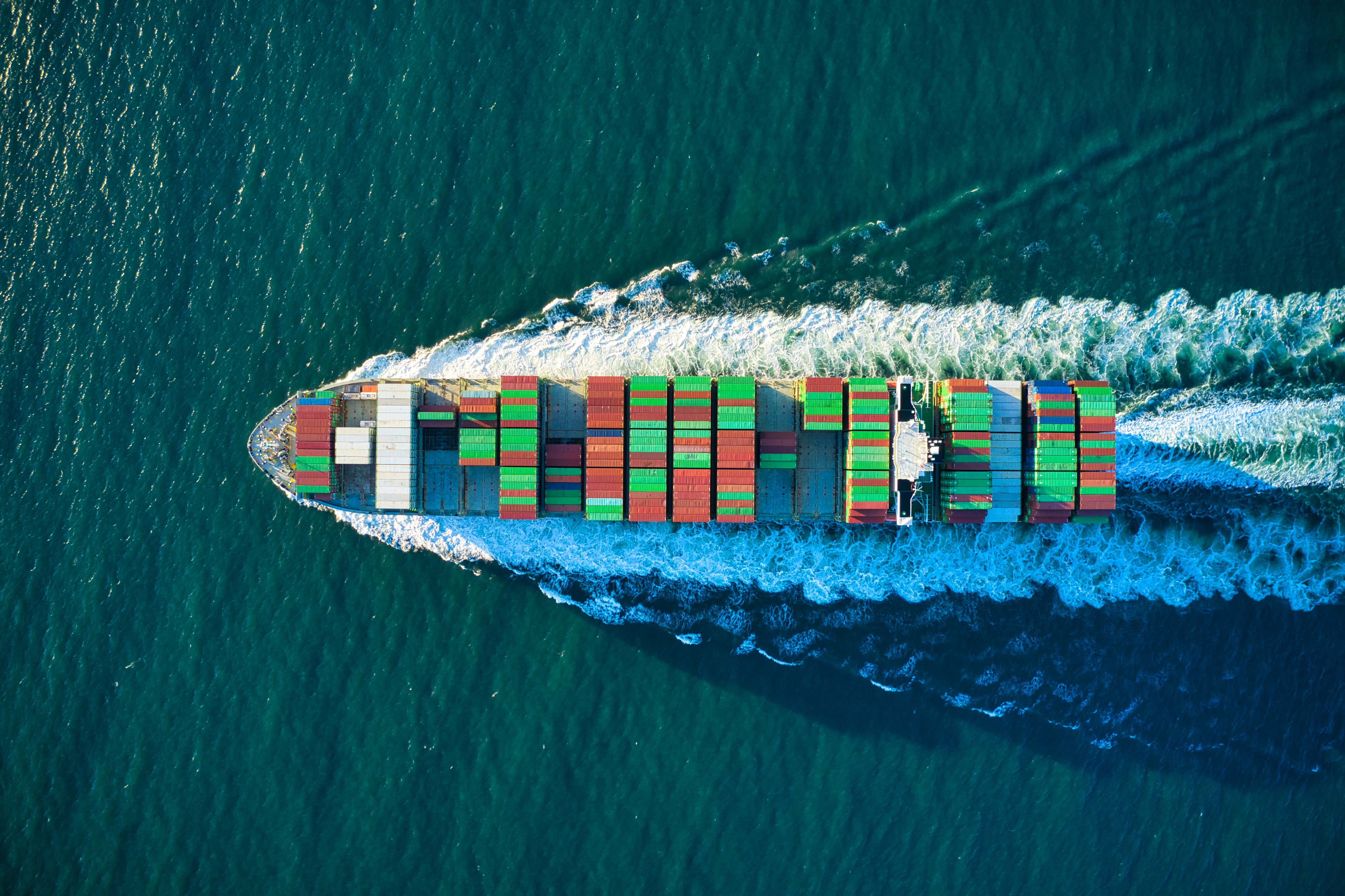
How COVID-19 affected Supply Chain worldwide, and what you need to prevent negative impact in the future.
Read more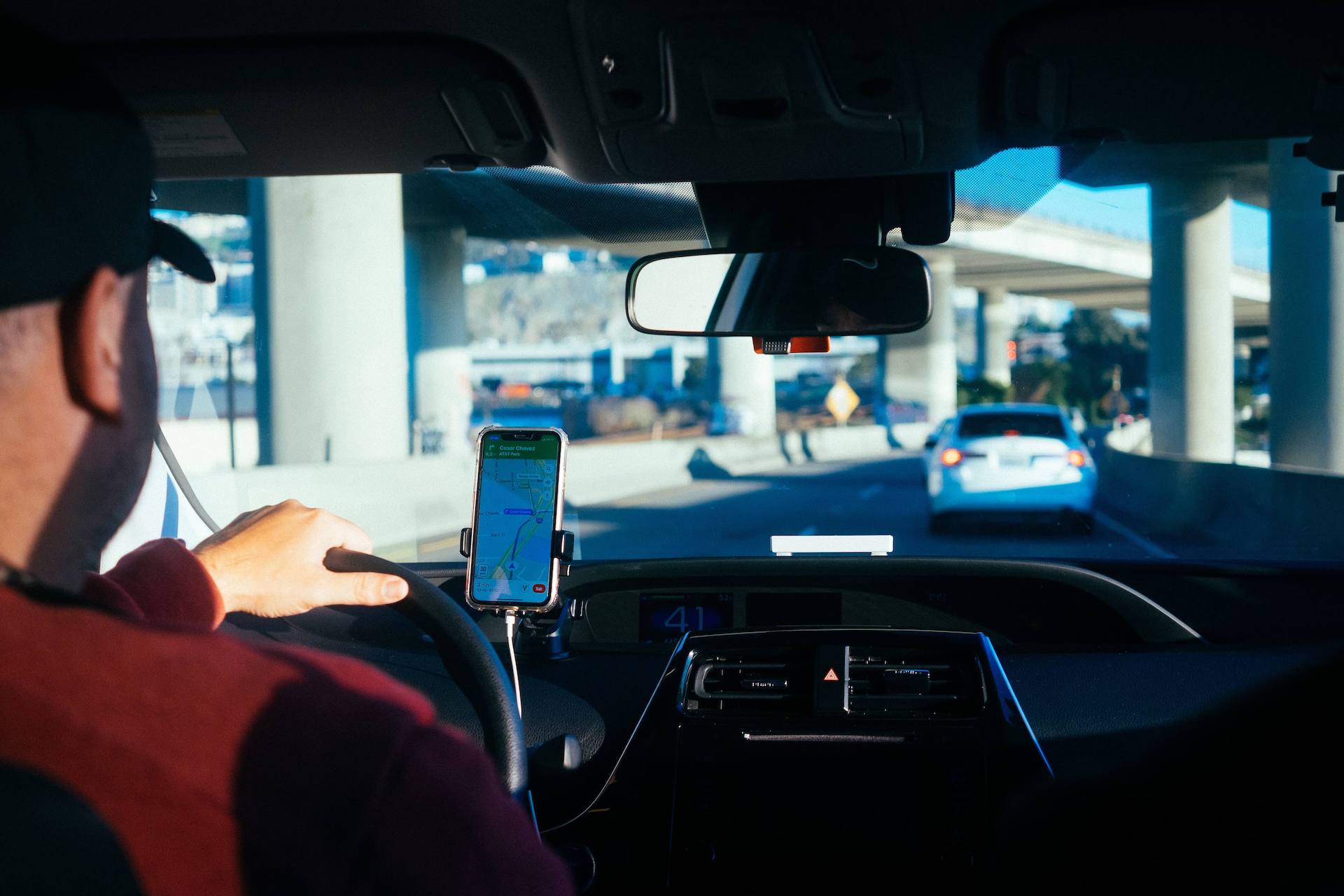
The current labor shortage affects all industries, but none more so than the eCommerce fulfillment and trucking industries. E-commerce companies struggle to find workers to handle the ever-growing demand for package shipping. The driver shortage in the trucking industry also feels the squeeze, as they can't find commercial drivers to transport goods across the country.
Read more
The more steps that exist within your process mean that you need to streamline it even more so. Not only does this approach meet the goals of supply chain management, but it also allows you to address problems as they arise.
Read more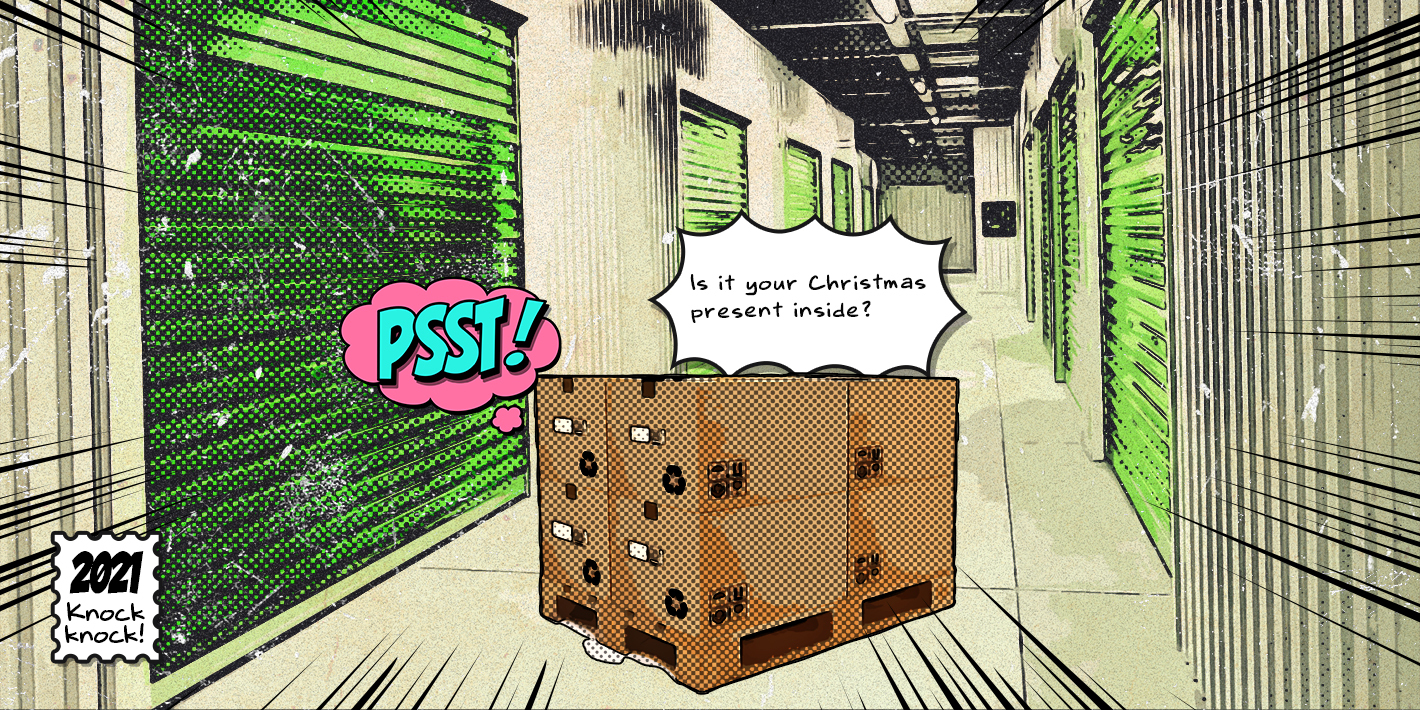
The Supply Chain does not experience its best times. In this situation, a small detail can cause the butterfly effect, for better or for worse. That’s why Logmore works hard on increasing the chances of Supply Chain to survive this crisis by implementing several new features.
Read more
When we started in 2017, we aimed to remove the uncertainty from the world’s supply chains. Over 10 million euros of funding, 50 hires, and a pandemic later, the vision lives. This is the story of global supply chains becoming transparent, sustainable, and efficient. This is how every product comes to tell its story.
Read more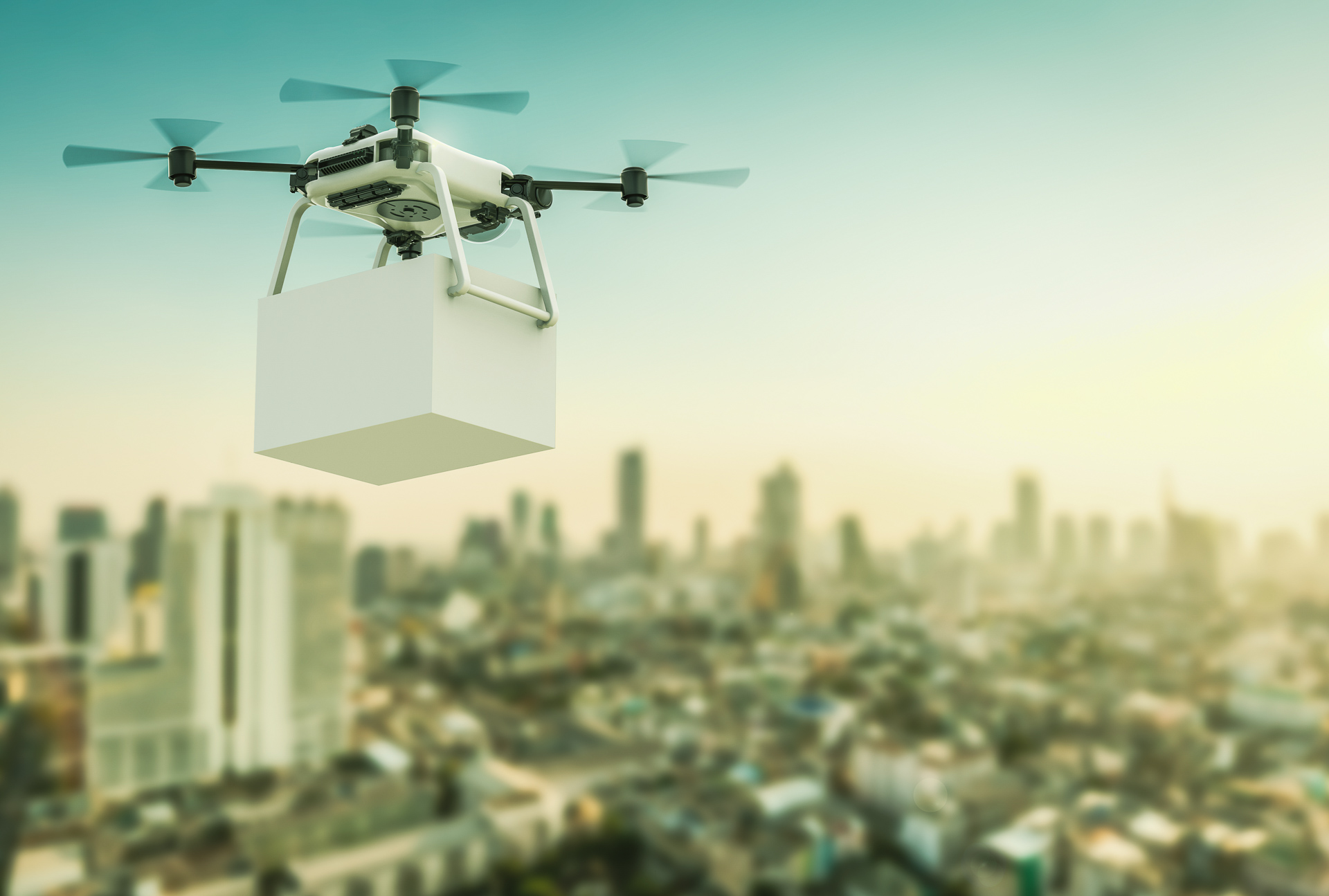
The global adoption of the technologies, specifically regarding the Internet of Things (IoT), has changed how virtually every business conducts themselves. Nowadays, we’re all used to spending inordinate amounts of our time surrounded by these technologies: our phones, laptops, tablets, smartwatches, Amazon Alexa's, you name it. So it should come as little shock that the future of supply chain management will largely be driven by technology.
Read more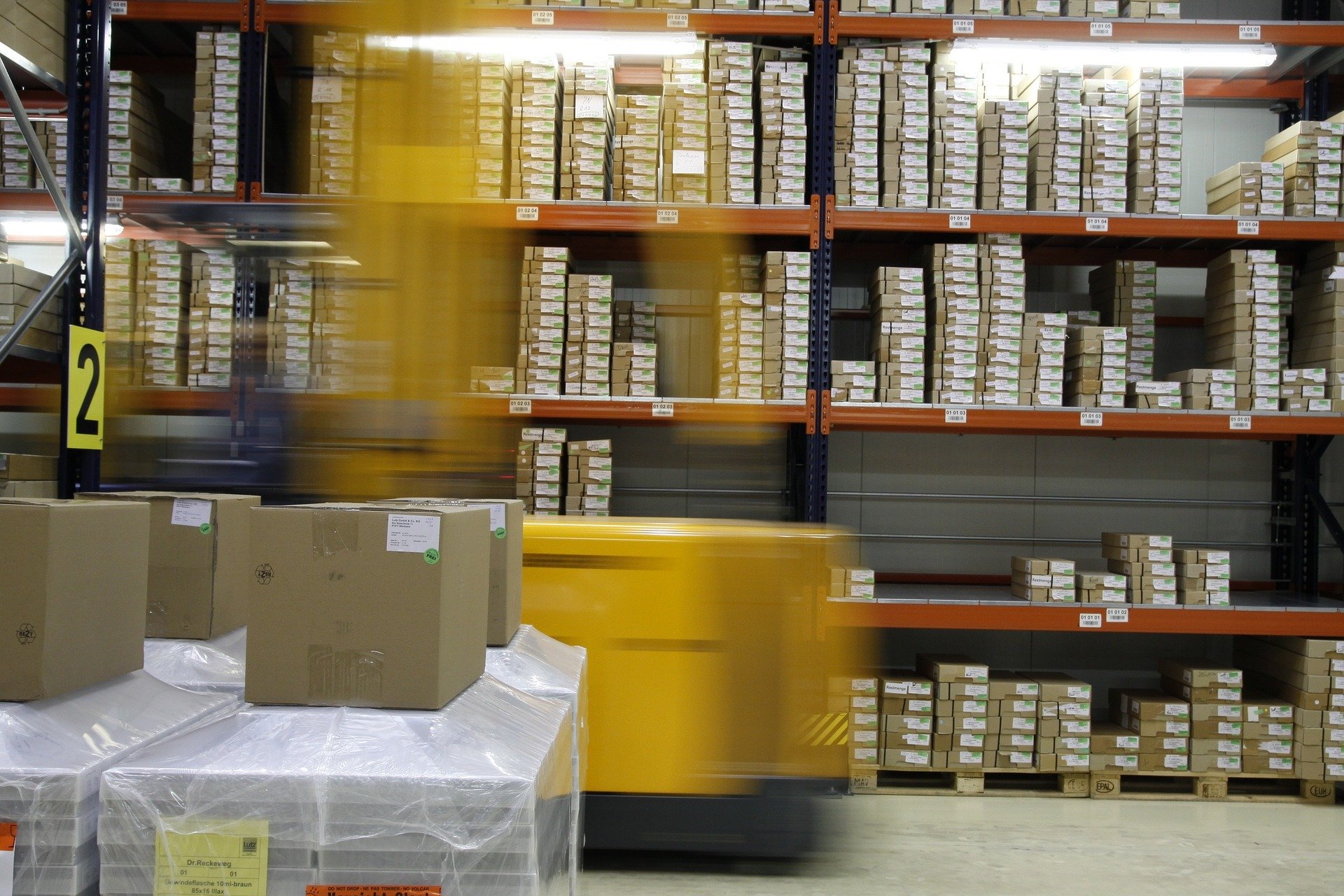
The coming downturn in world trade will see some companies fold, and others merge in a bid to continue trading. So, the need for rapid innovation for freight companies who wish to survive has never seemed more significant. Let's examine the latest trends in freight and logistics for 2020.
Read more
Santeri Kaasalainen, the Lead Software Architect of Logmore, explains why we use the tech we use.
Read more
Ilkka Pättikangas, Head of Software Development at Logmore, dives deep into the front-end technologies of the company’s product
Read more
In this blog post, we’d like to touch on the cosmetics industry and its relationship with shipping and supply chain logistics. While there are a variety of industries we service, we think cosmetic companies face some significant interesting challenges. With various product offerings, numerous colours and shades, liquid and solid compounds, exclusive yet sensitive ingredients, and more, cosmetics logistics in itself is truly unique in its own right. On one hand, new and innovative products that spark new global trends make companies take a closer look at their supply chains. On the other hand, distributors need to transport products quickly in order to meet demand, especially to reach global markets.
Read more
Quality assurance is important in all software, but eCommerce, in particular, is a software industry that is driven by user experience.
Read more
COVID-19 obliterated major supply chains all over the world and thus the distribution of the COVID-19 vaccine is going to be a challenging endeavour in every sense of the word.
Read more
Finland is known for high quality products and life quality. Even here, in the most populated areas, it takes the fish three to four days on average to reach the market after it has been caught. By the time the consumer gets their hands on the fish, it might be a week old. At that point, it’s a stretch to call it “fresh”. The lack of freshness and long time from sea to your plate are reasons for low quality fish. According to recent research, a quarter of fish samples taken from “fresh” fish are of low quality. The sad thing is that the results have not improved in over a decade.
Read more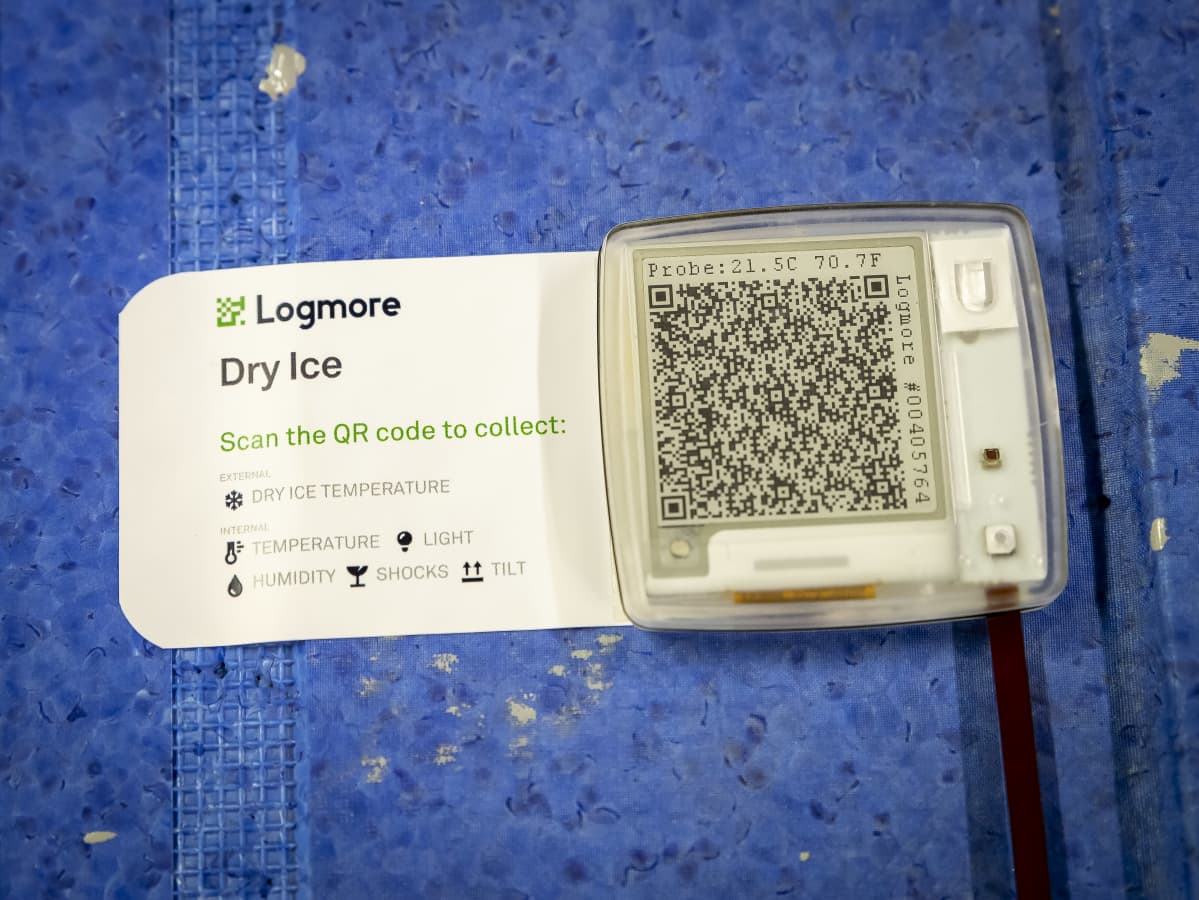
Logmore is looking forward to large orders in 2021, as inquiries on the solution increase all over the world.
Read more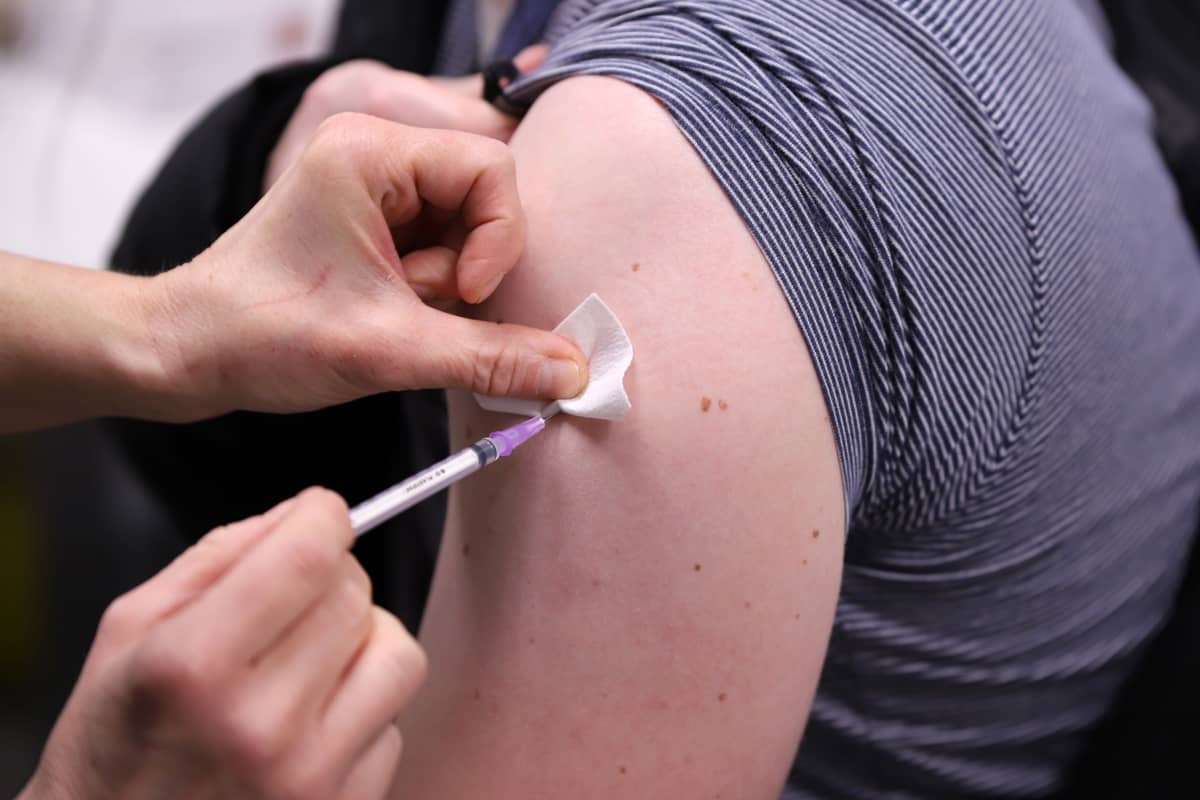
The QR logging device gave an alert on cold chain breach, giving staff an hour to prepare the doses and six hours to find the people to receive them.
Read more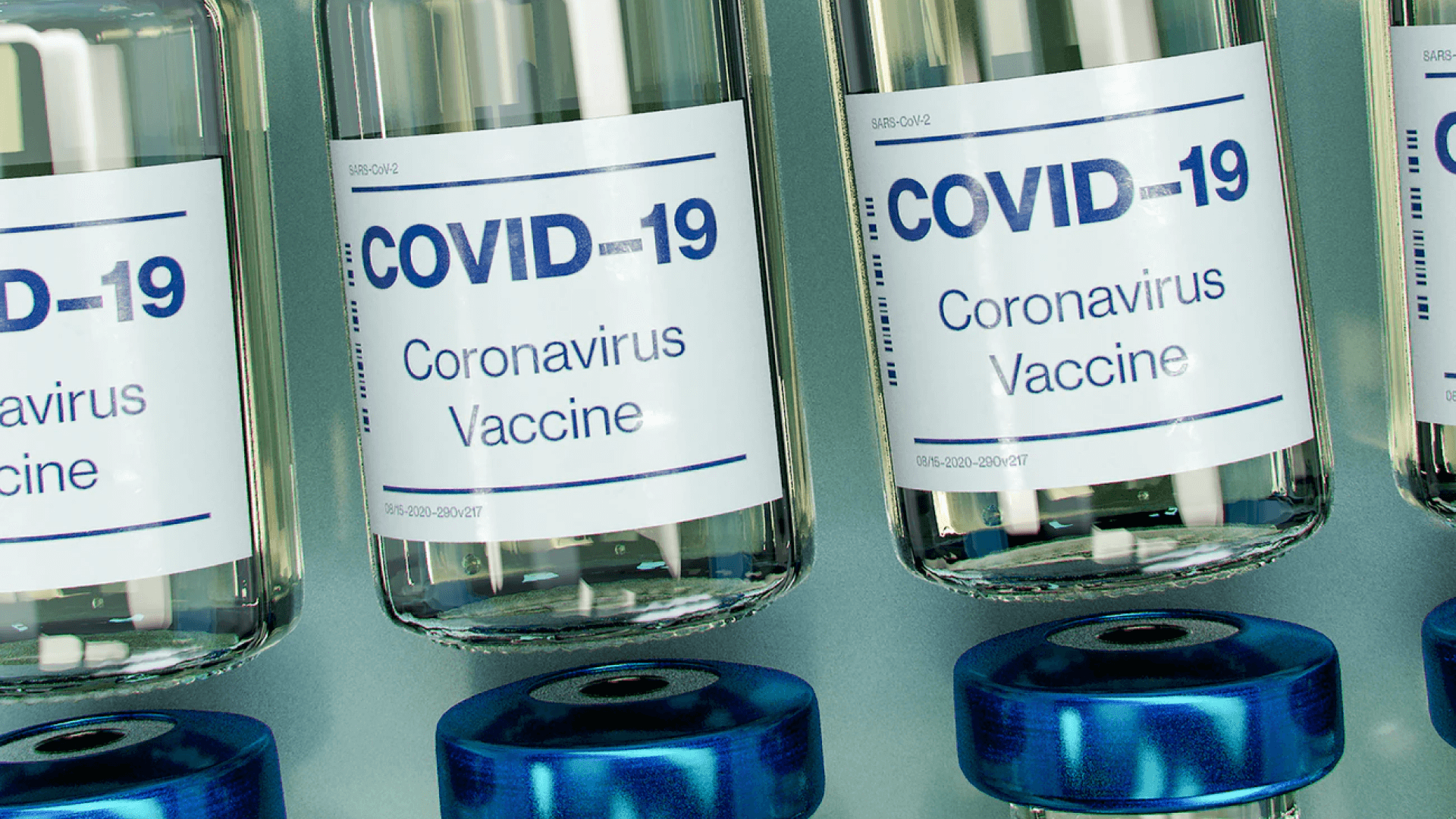
The Covid-19 pandemic brought the world to a halt. To ever go back to normal, the world needs a reliable vaccine. Vaccine development is ready, but the real challenge is safe, global distribution.
Read more
Dry ice is meant to store goods that require very cold or frozen temperatures. Medical supplies, gases, frozen food, vaccines, etc. are some of the common things that are used with dry ice when transporting or shipping. Once you or a shipping team has decided to use dry ice as a cooling agent in logistics, here are the steps that must be followed.
Read more
All vaccines must be stored within a specific safe temperature range. Thatâs where vaccine cold chain monitoring comes into play. The chain starts from the time when the vaccine is being manufactured and ends to the point where the customer receives it.
Read more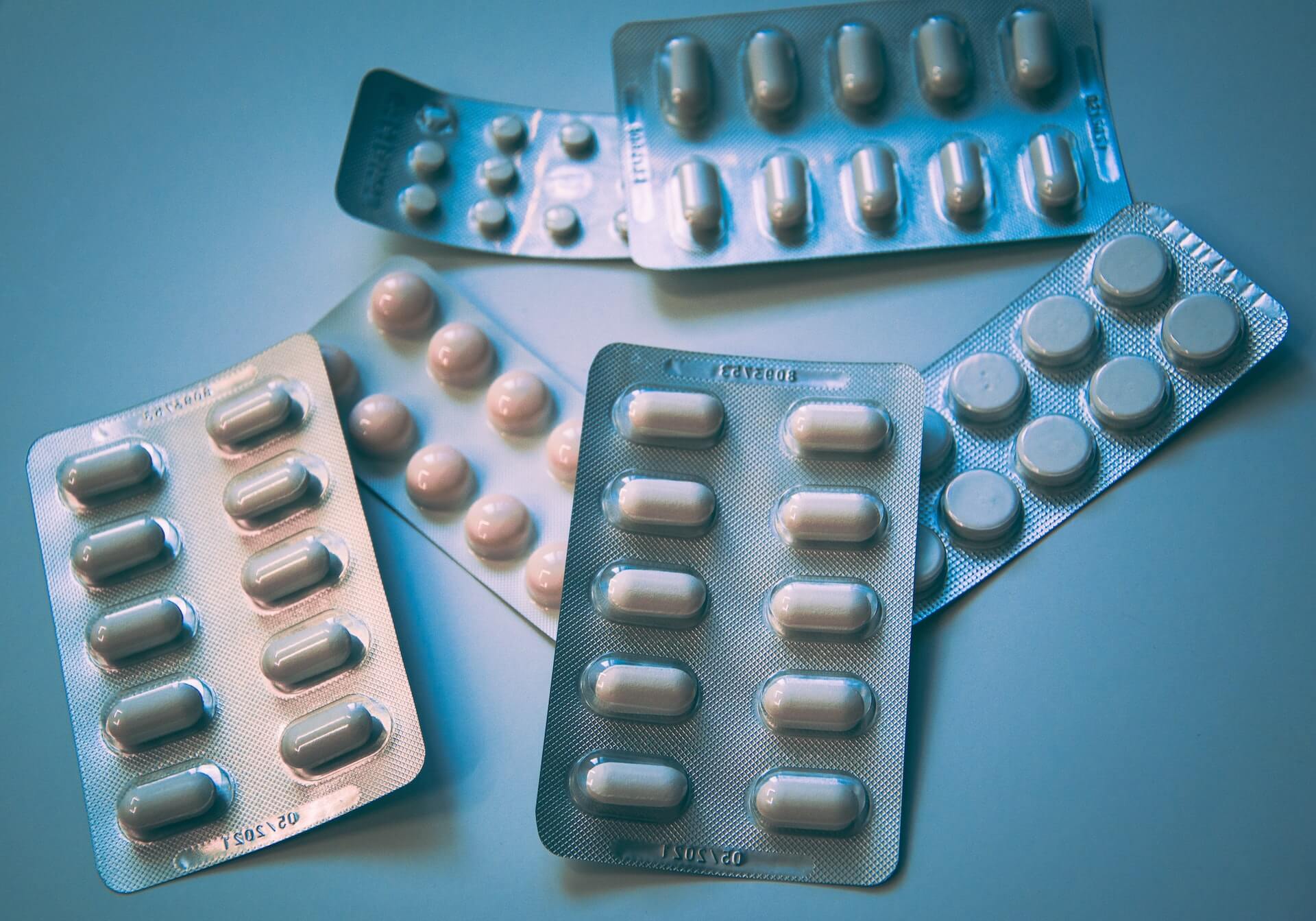
Any business involved in logistics or the transportation of cool or cold goods understands the major need for temperature control in freight. Trucks, boats, trains, and other means of mass transportation have to be specially modified to prevent perishable goods from shipping damages. Thermal boxes can be incredibly helpful tools to use for cold chain management. But what exactly are they, and what exactly is cold chain management?
Read more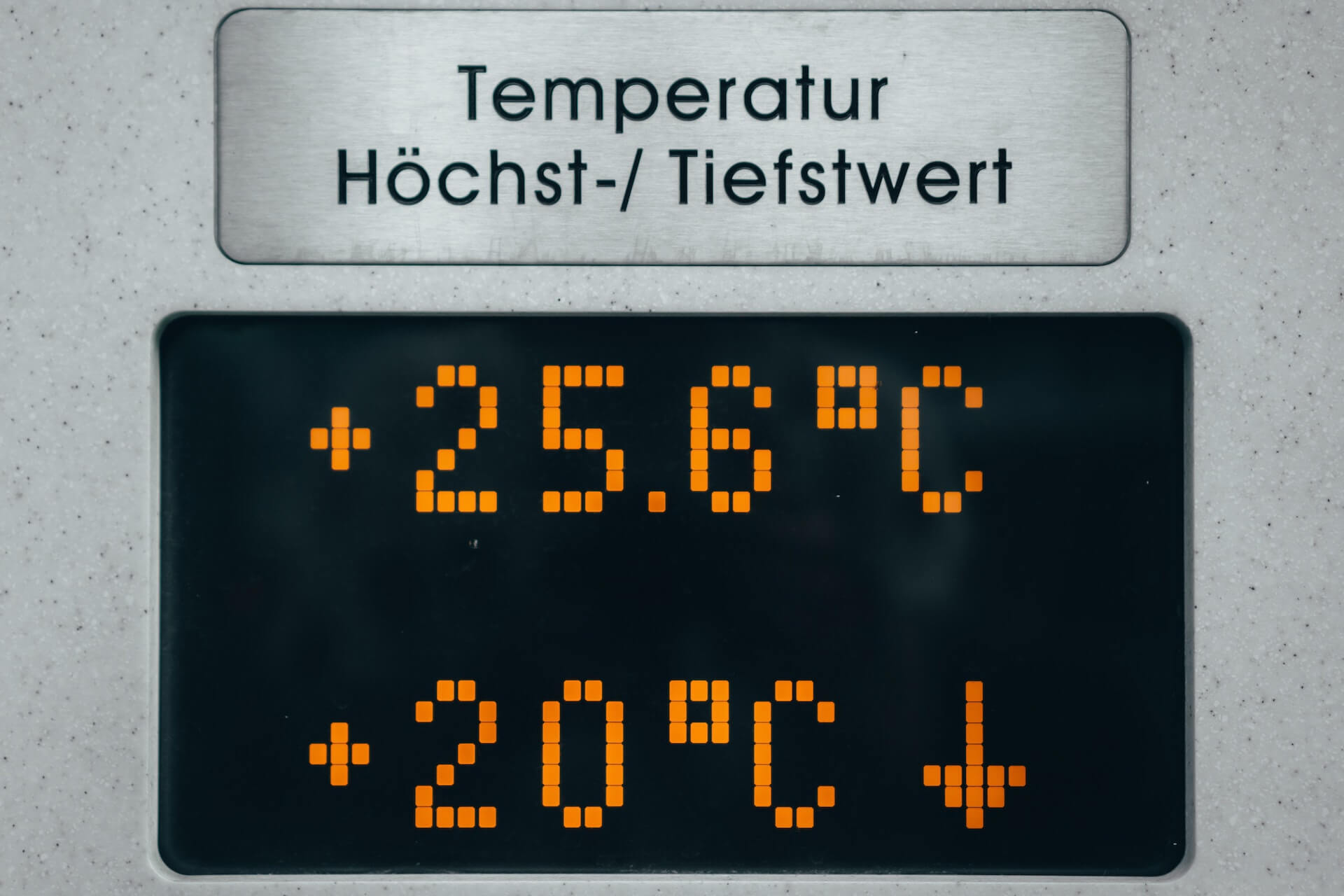
Medicine, meat, flowers, and all goods that require temperature control have one thing in common; they all are monitored during transport to make sure they are fresh and in usable condition. That’s the first glimpse into the concept we are discussing today, temperature monitoring systems in logistics. You’ll learn the basics of a temperature monitoring system, what to look for in choosing a system, and how it can solve logistical problems. First, we’ll jump in by answering the most basic question: What is a temperature monitoring system?
Read more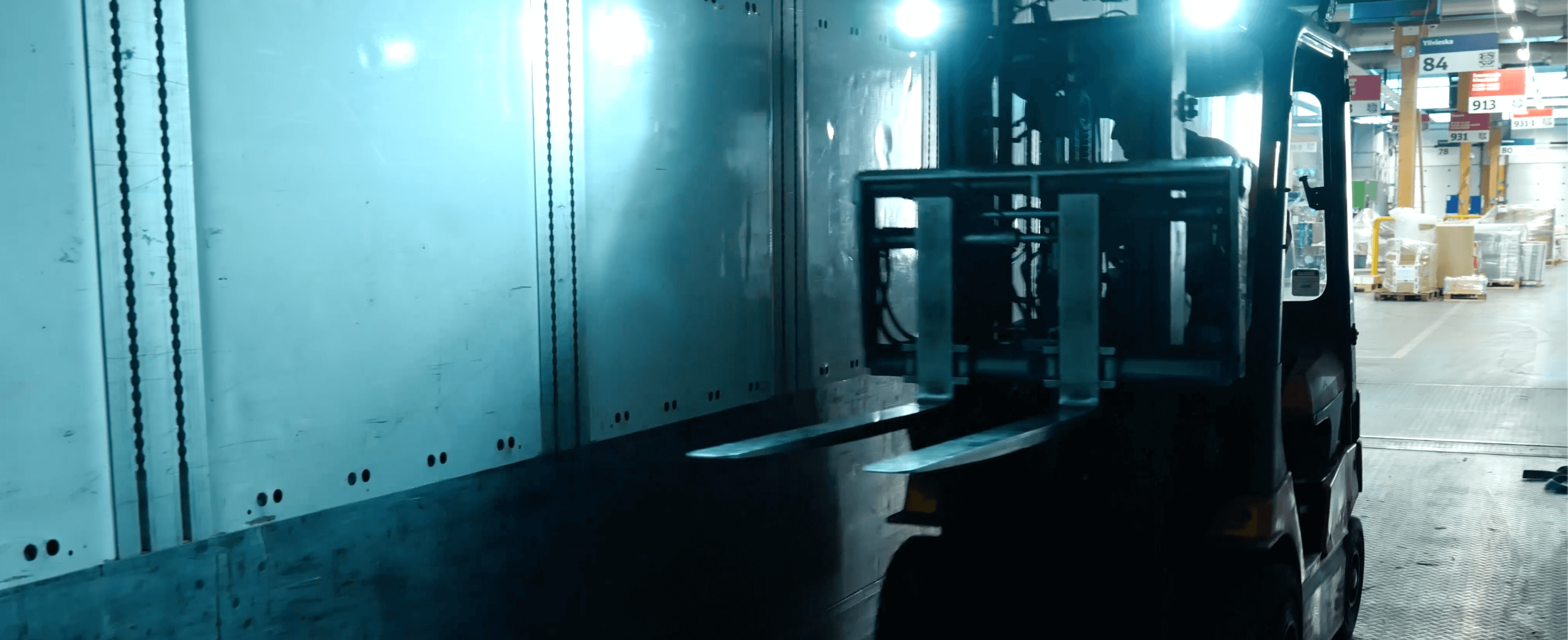
An effective logistics strategy can create momentum for an organisation in many ways. From propelling local sales, to driving exports and creating opportunities in new markets throughout the world. Cold chain logistics managers have the same opportunities, but a myriad of other unique requirements to consider and satisfy.
Read more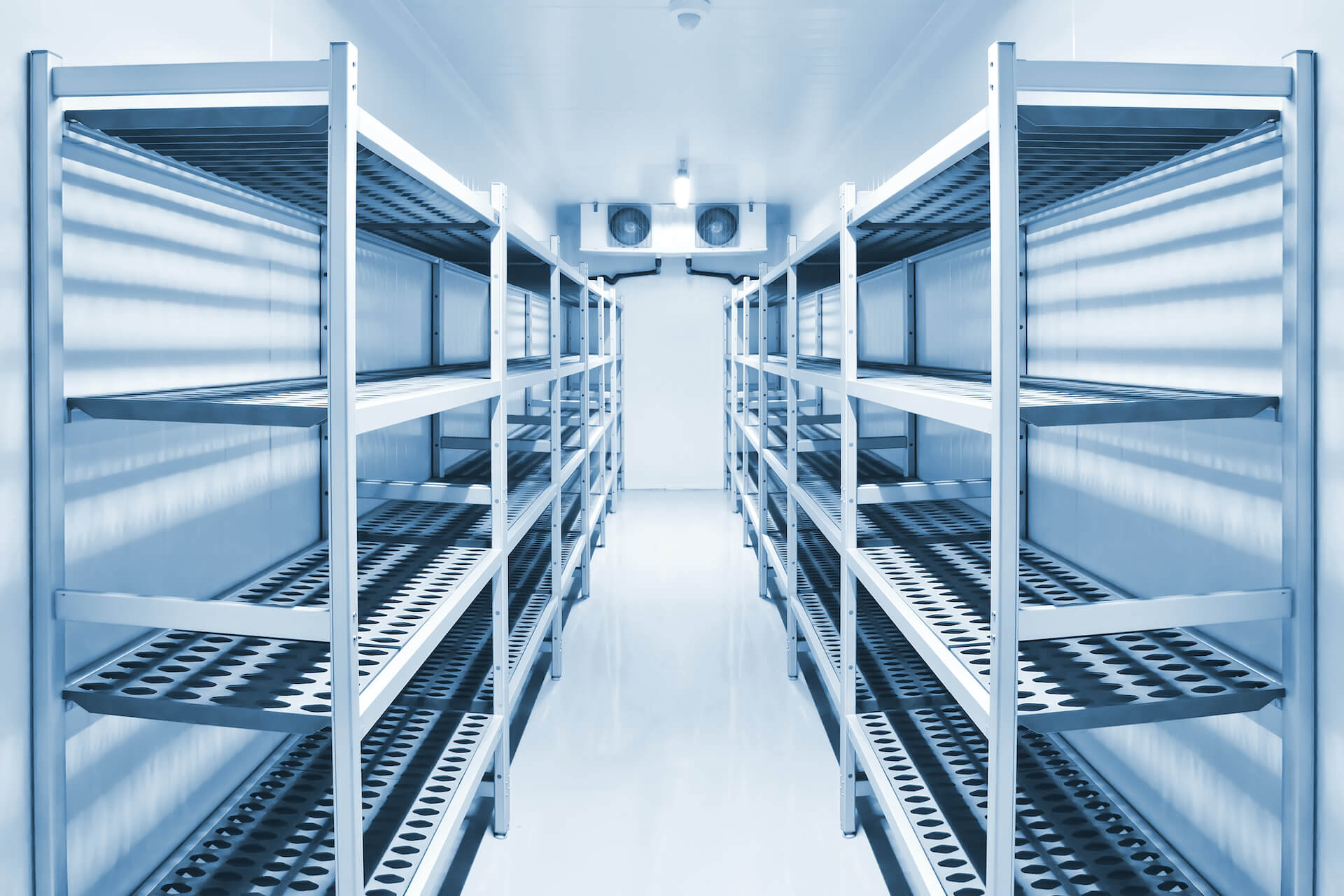
How did you like that steak you had at the restaurant last weekend? Did your toddler get that measles vaccine? Do you love to wake up to the smell of fresh roses on the bedside table? Meat, vaccines, freshly-cut flowers, and more have one thing in common â they all require refrigerated transport to get to you in unspoiled or usable condition. This is where the concept of cold chain management comes into play.
Read more
Consumer electronics make up a significant volume of goods. From laptops to smartphones, virtually everyone out there is using or shopping for a personal consumer electronic device for home, work, school, etc. When it comes to the brands that make and ship these products, very particular conditions need to be maintained. And the shipments, down to the final mile, need to be efficiently monitored through the use of a freight monitoring system such as Logmore.
Read more
Moving different types of freight can require different kinds of shipment monitoring and safety precautions to ensure the undamaged delivery of products. One type of product requires extremely careful planning when it comes to shipping-- fragile industrial electronics.
Read more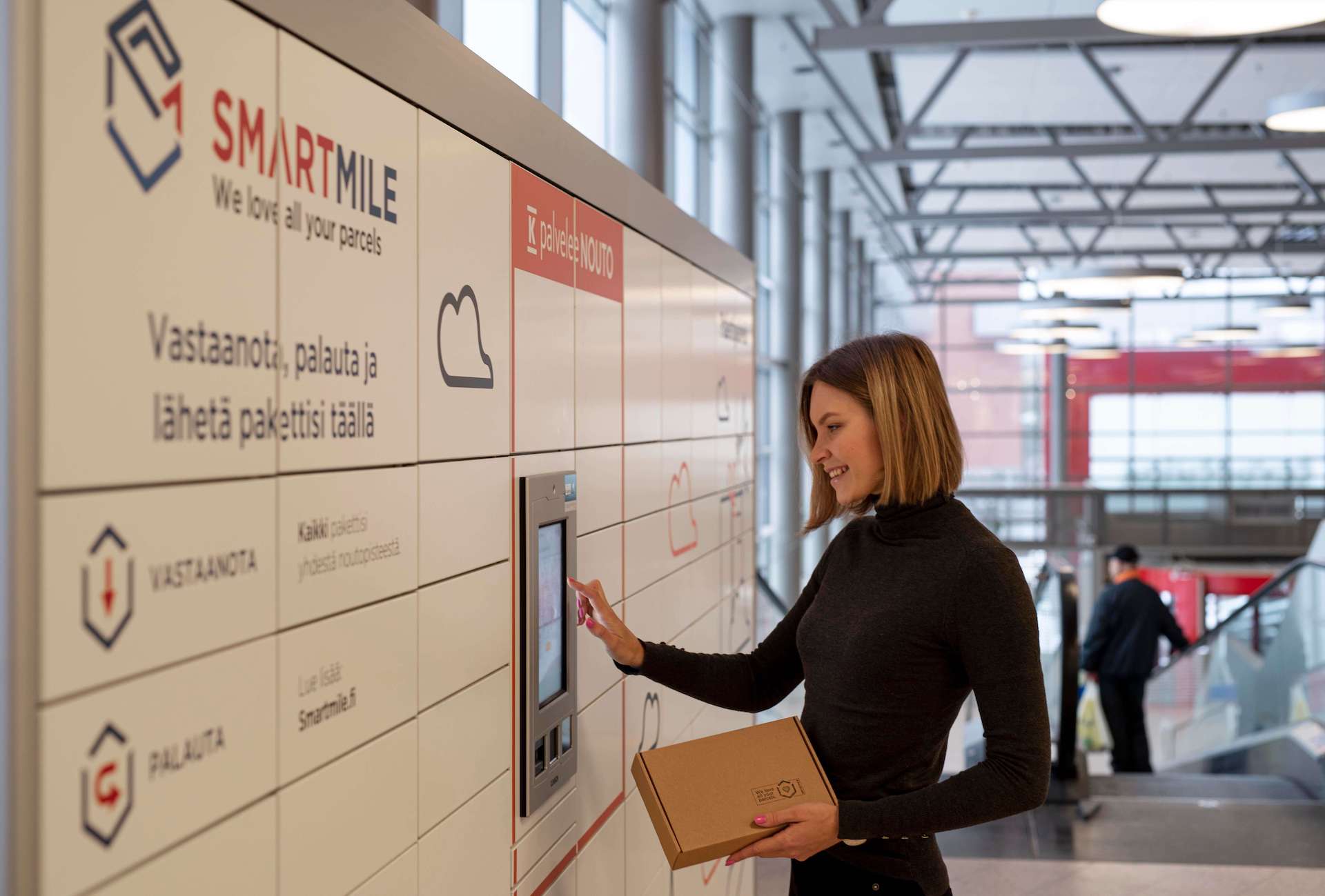
Online shopping and home deliveries are at an all time high, making effective last mile logistics vital for a wide range of services. Food, pharmaceuticals, and other everyday consumer goods are being shipped in tens of thousands of parcels every single day.
Read more
Amazon is one of the global online retail giants setting the bar for e-commerce logistics. Under normal circumstances, the company can make deliveries to customers within 24 to 48 hours through its Prime Delivery label.
Read more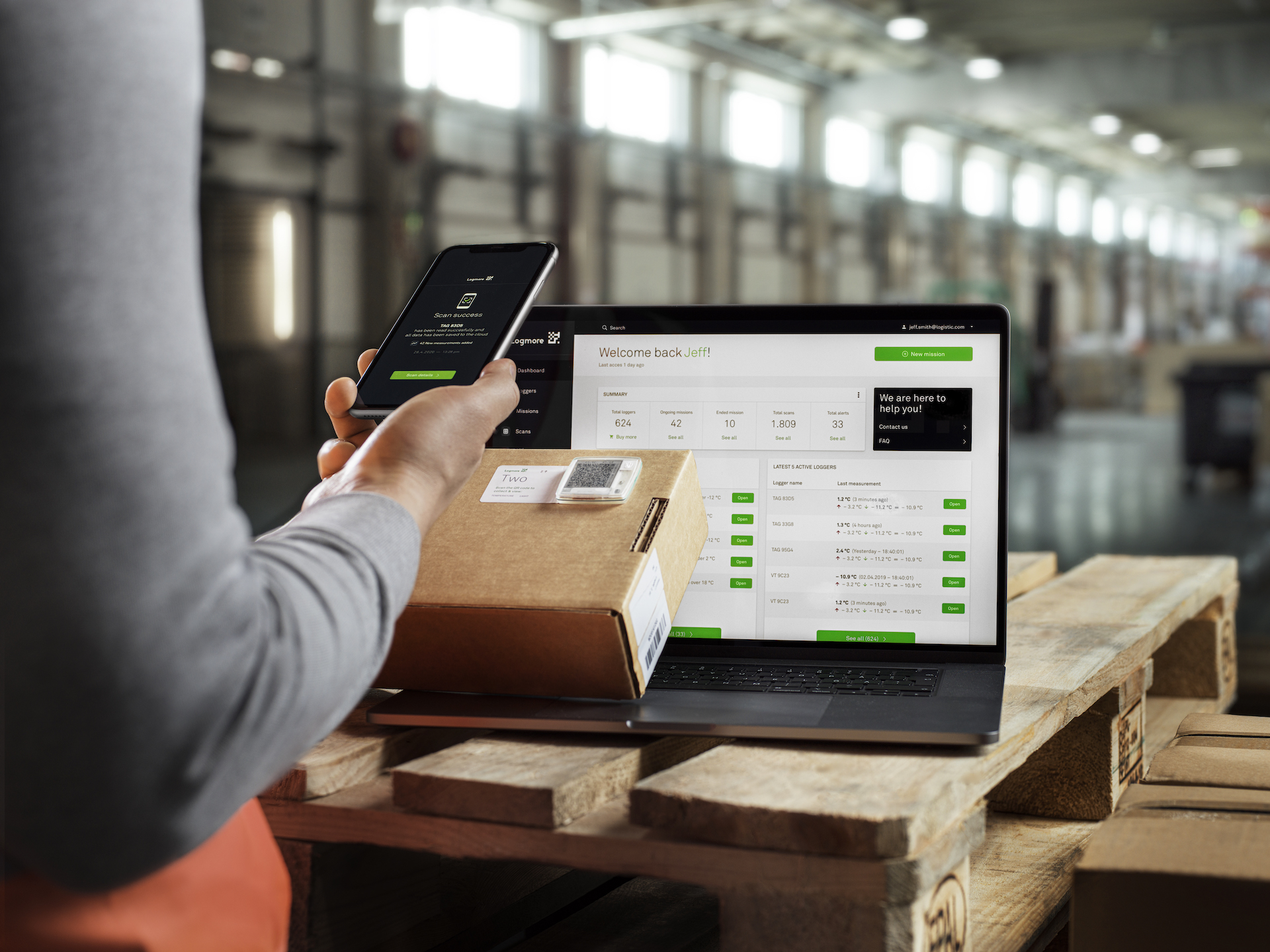
Rainer Sternfeld, Managing Partner at NordicNinja VC explains why the esteemed VC decided to invest in Logmore.
Read more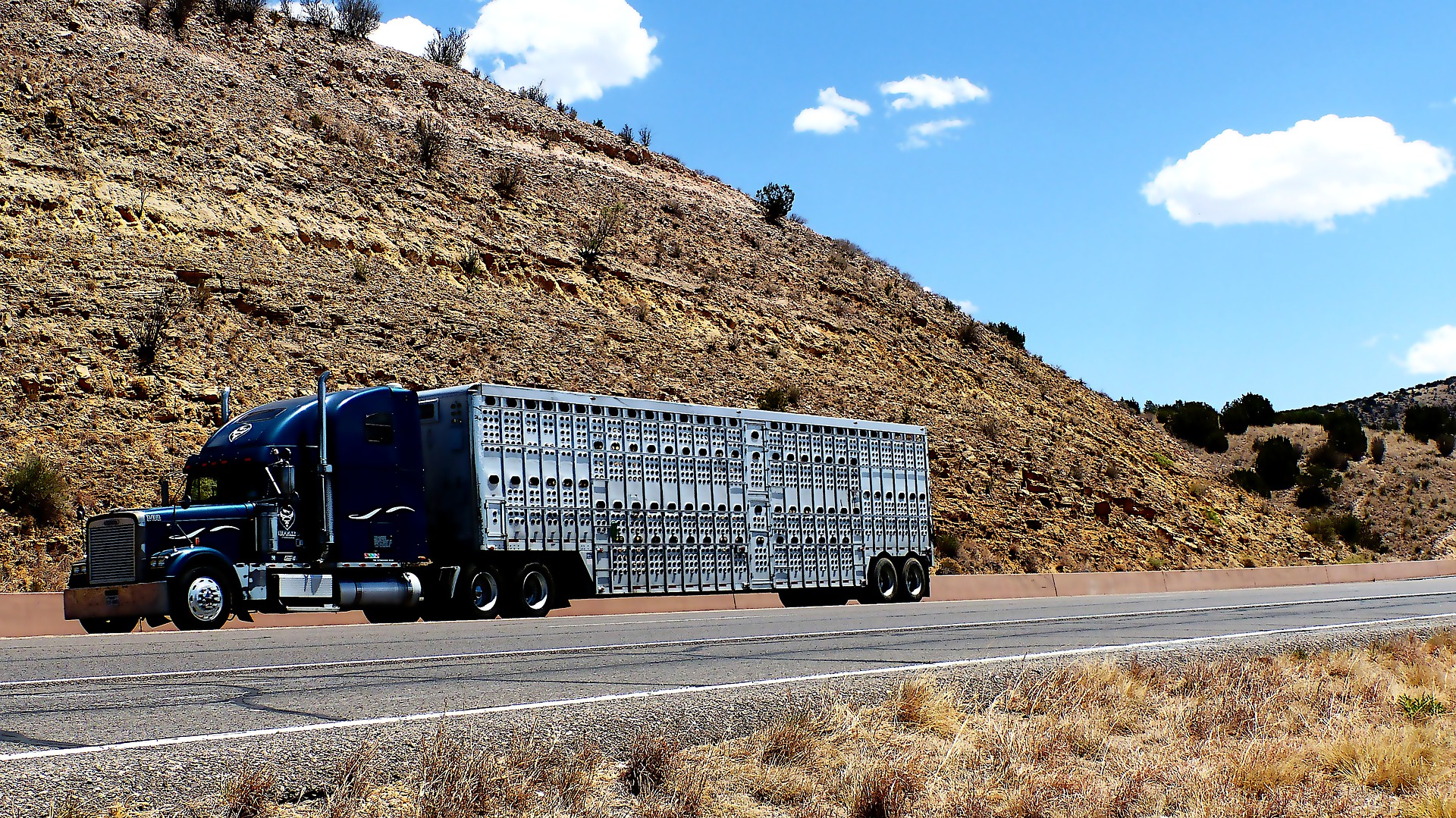
If you’re involved in the logistics or shipping industries, you’ve probably heard of terms like “less-than-truckload.” So what is LTL freight? It’s far from an old concept, but there are a ton of great benefits to using LTL freight shipping for your own business. However, this all comes down to the volume and weight of your business’ shipments. In this in-depth guide, we’ll be looking at the benefits and best practices for LTL, LTL meaning and definition, and the differences between LTL and FTL freight.
Read more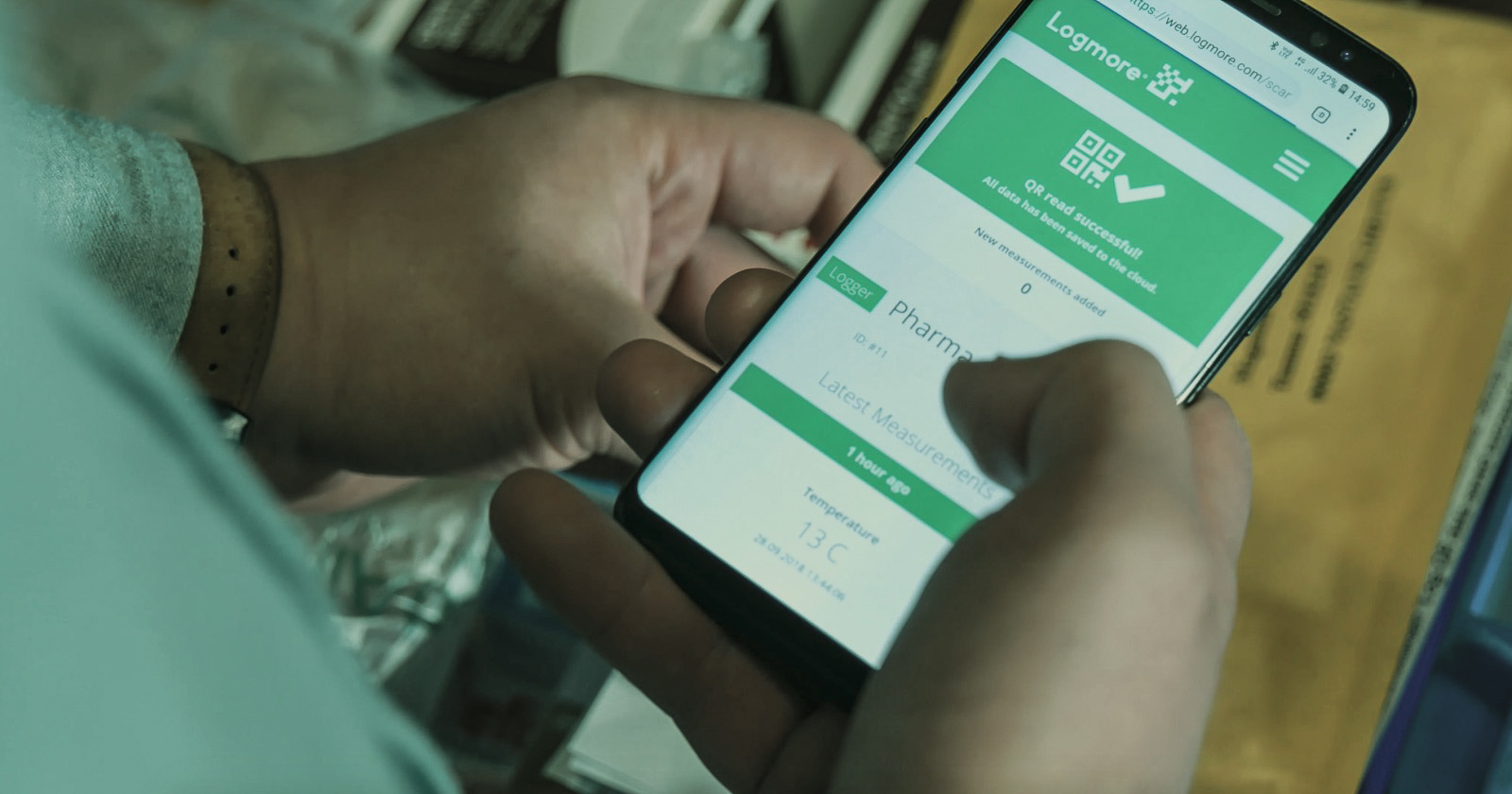
Logistics and supply chains are seeing innovations like never before right now. Advanced logistics and robot process automation are changing how logistics processes work, but how?
Read more
There are massive changes occurring in today’s supply chains. Broadly, automated changes and data analytics are increasing efficiency and expanding possibilities. If you’re looking to modernize or improve your own supply chain though, there’s something else to consider as well: sustainability.
Read more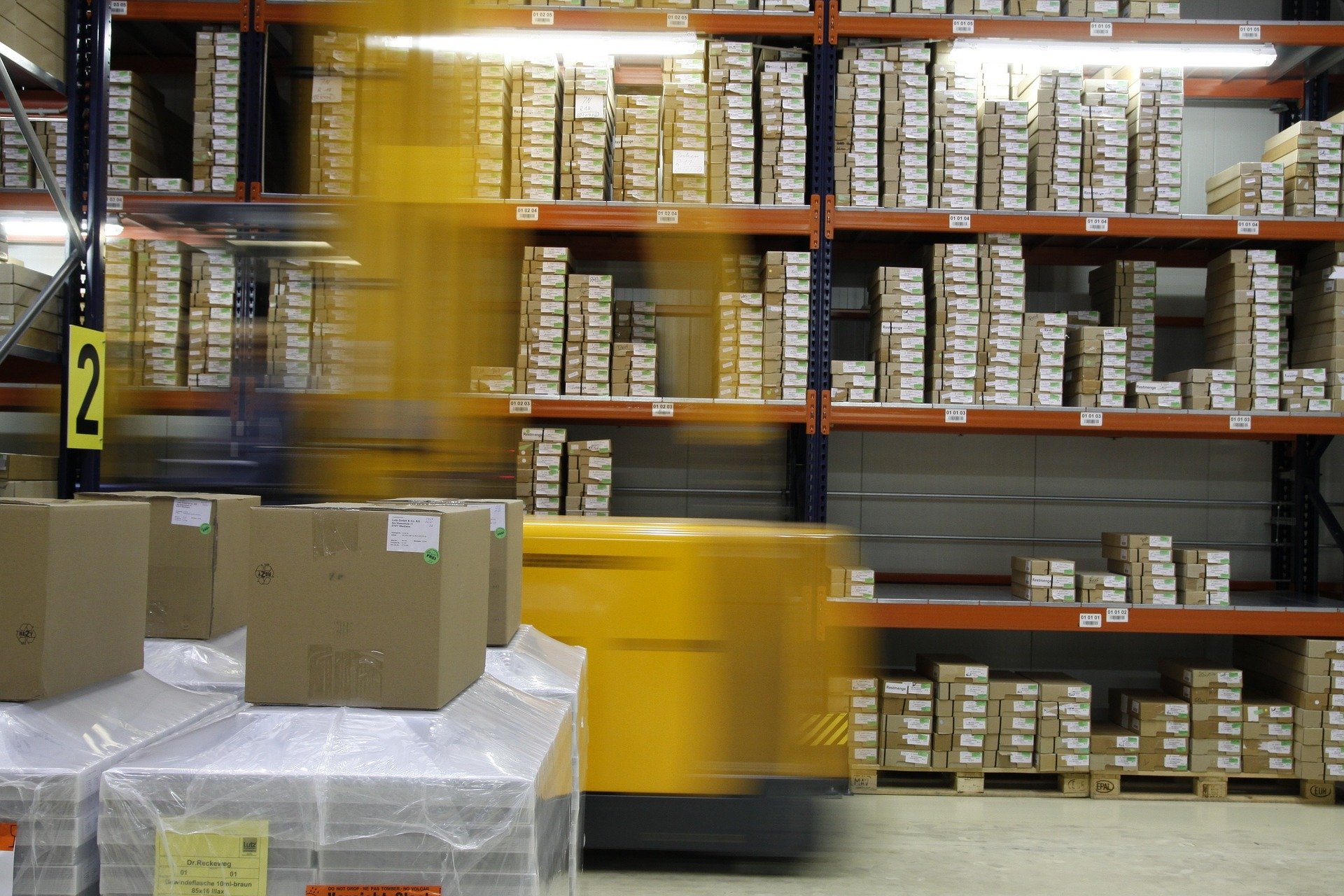
Quality assurance is a valuable aspect of just about any business out there. However, for logistics companies, quality assurance is much more than valuable-- it’s indispensable.
Read more
Coronavirus is on the rise, and many business owners around the world are concerned about how the epidemic could affect their livelihood and health. Multiple countries have reported cases of coronavirus, as well as a slowly growing death toll.
Read more
Customer experience matters. And logistics companies are beginning to pick up on just how much it matters. In this guide, we’ll be looking at a handful of things a logistics business can do to achieve success in customer experience.
Read more
With the world on pause for months, the question on everyone's minds has been, when will we get a vaccine for the coronavirus? From the USA to Russia, countries have been in a race to create this vaccine. There are currently 169 different vaccines being worked on with human trials for 26. However, even as the brightest minds in the world research and experiment these vaccines, statistics show many people have reservations about any possible vaccine.
Read more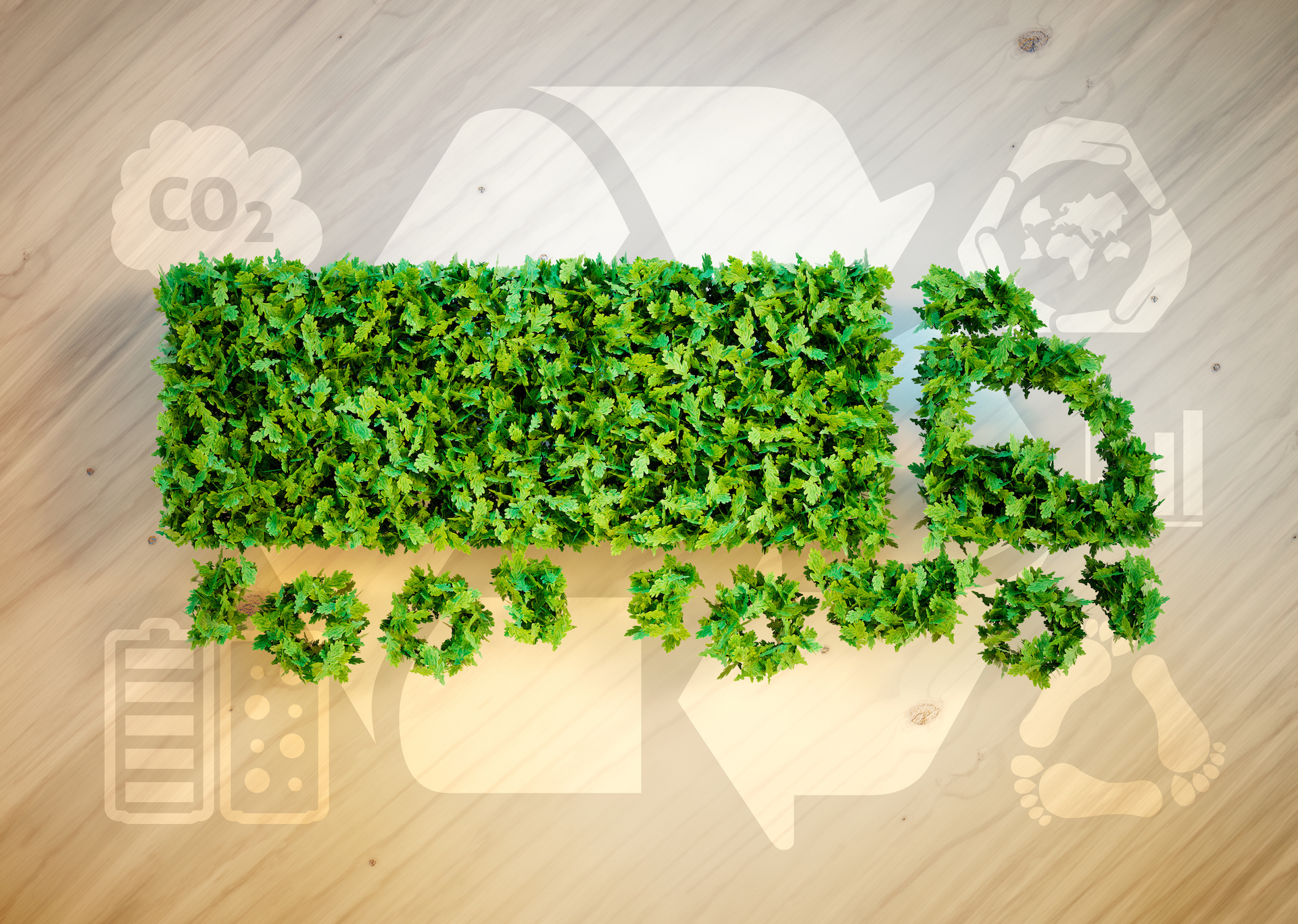
Producing food for the world's rapidly growing population is incredibly taxing on many natural resources. Irrigation and fertilization are imperative to raise crops. To rear cattle, you need access to water, land for grazing and grains for finishing. Processed foods consume electricity during the manufacturing process, and each item not grown locally must be shipped.
Read more
Big pharma is no stranger to controversy. Realistically, when you’re quantifying and monetizing such a sensitive product, there’s no avoiding public scrutiny. However, the usual hot-button topics aren’t what we’re discussing. Instead, we’re here to put big pharma under a microscope for an entirely different reason—assessing its carbon footprint. Unfortunately, the verdict is – overall – quite ghastly.
Read more
Whether you’re a business that sells things online, has a brick-and-mortar store, or engages with international companies quite frequently for collaborations, proper supply chain management is crucial.
Read more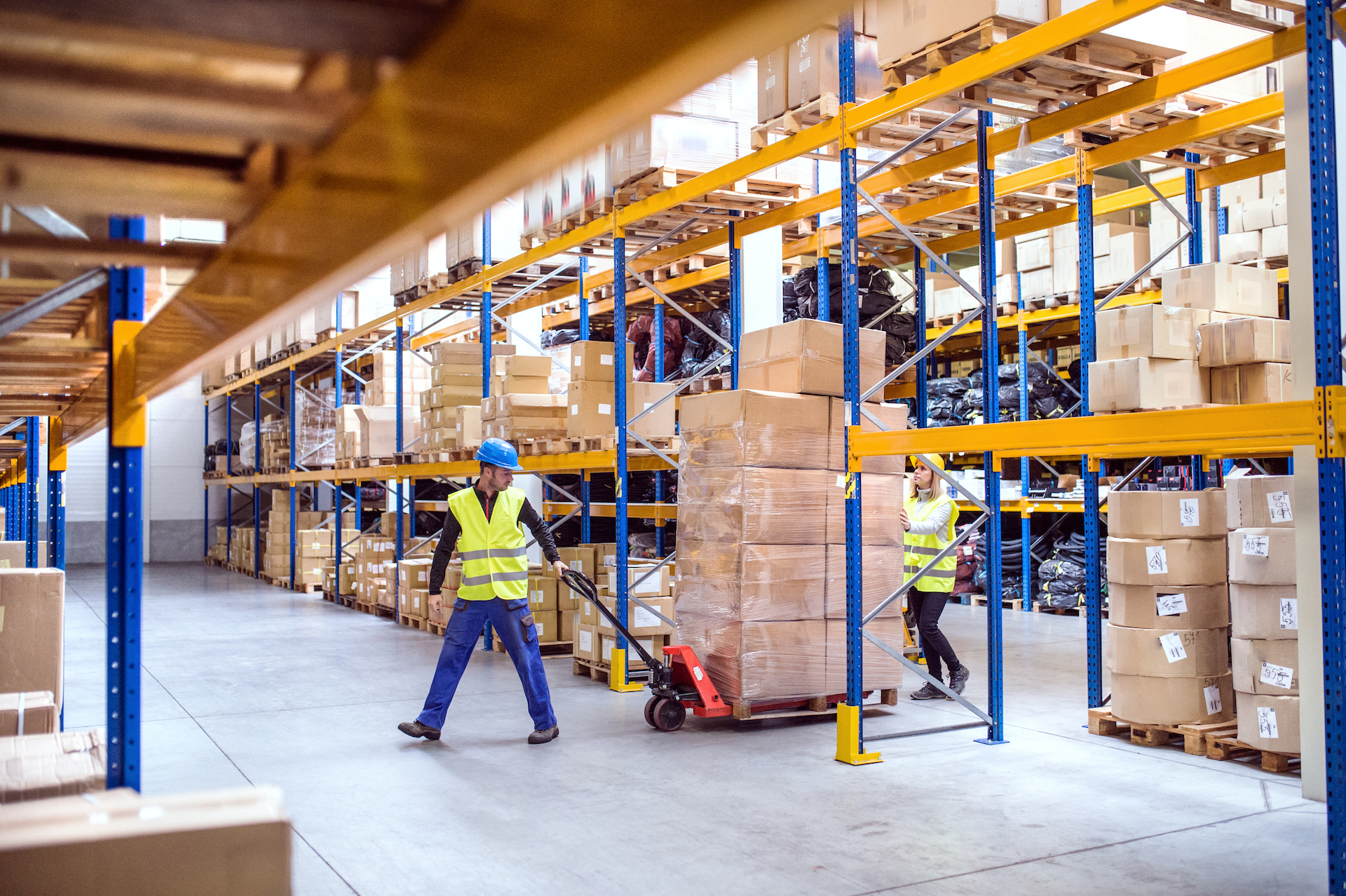
Wasting time and resources is to efficiency as water is to a witch. When burdened by too much waste, efficiency melts away, and suddenly a warehouse finds itself in utter disarray. It should come as no surprise that organizations far and wide have been seeking out ways to improve warehouse efficiency.
Read more
End-to-end supply chain visibility is a hot topic in the business world. It makes sense why -- you simply can’t measure or improve what you can’t see.
Read more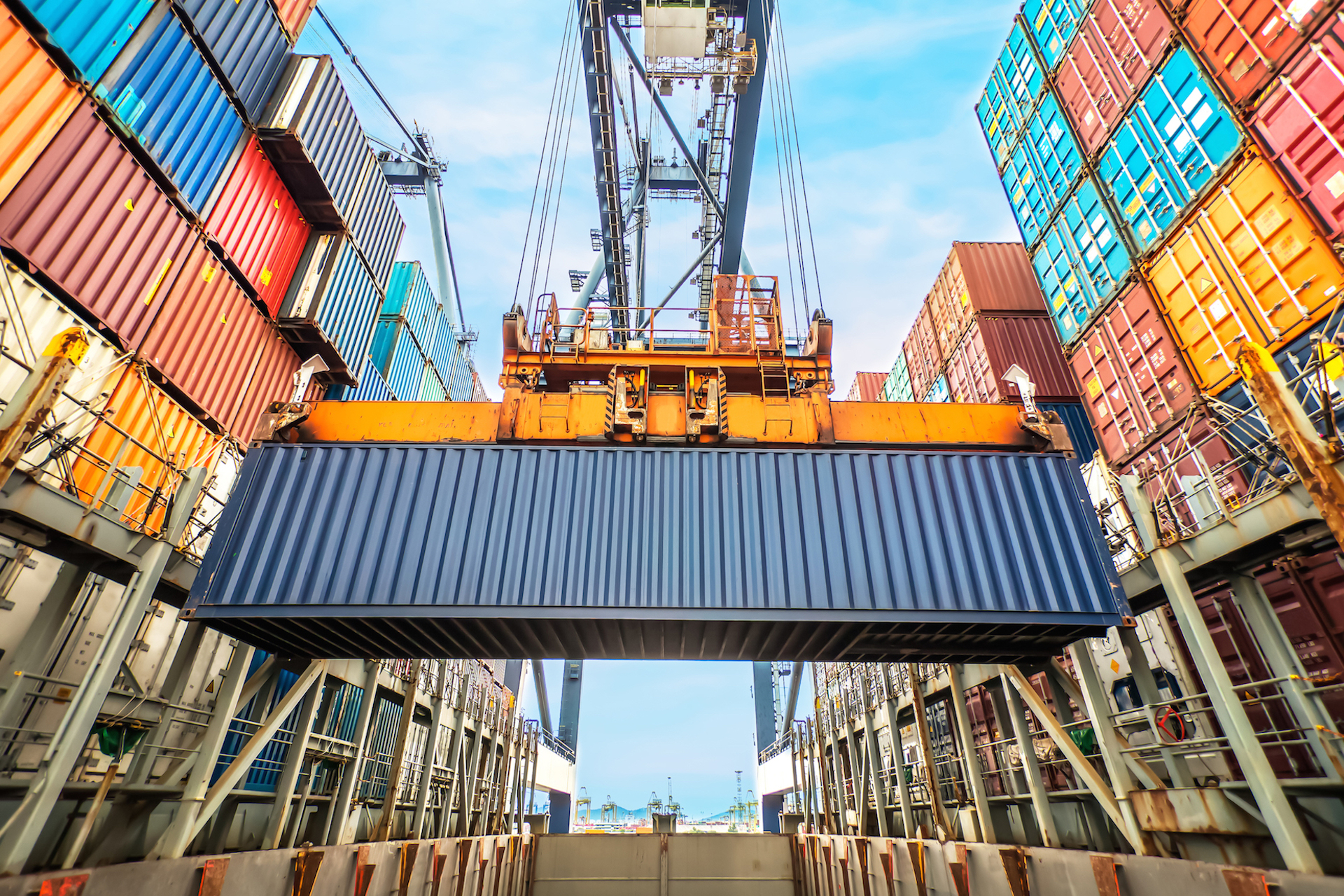
It’s now 2020. Meaning, there’s no avoiding the fact that tech is at the forefront of any and all industries. That’s double for the logistics industry, where technology has been a driver since its inception. It’s unlikely that you’ll thrive as a supply chain or logistics manager if your finger isn’t on the pulse of what’s cutting edge.
Read more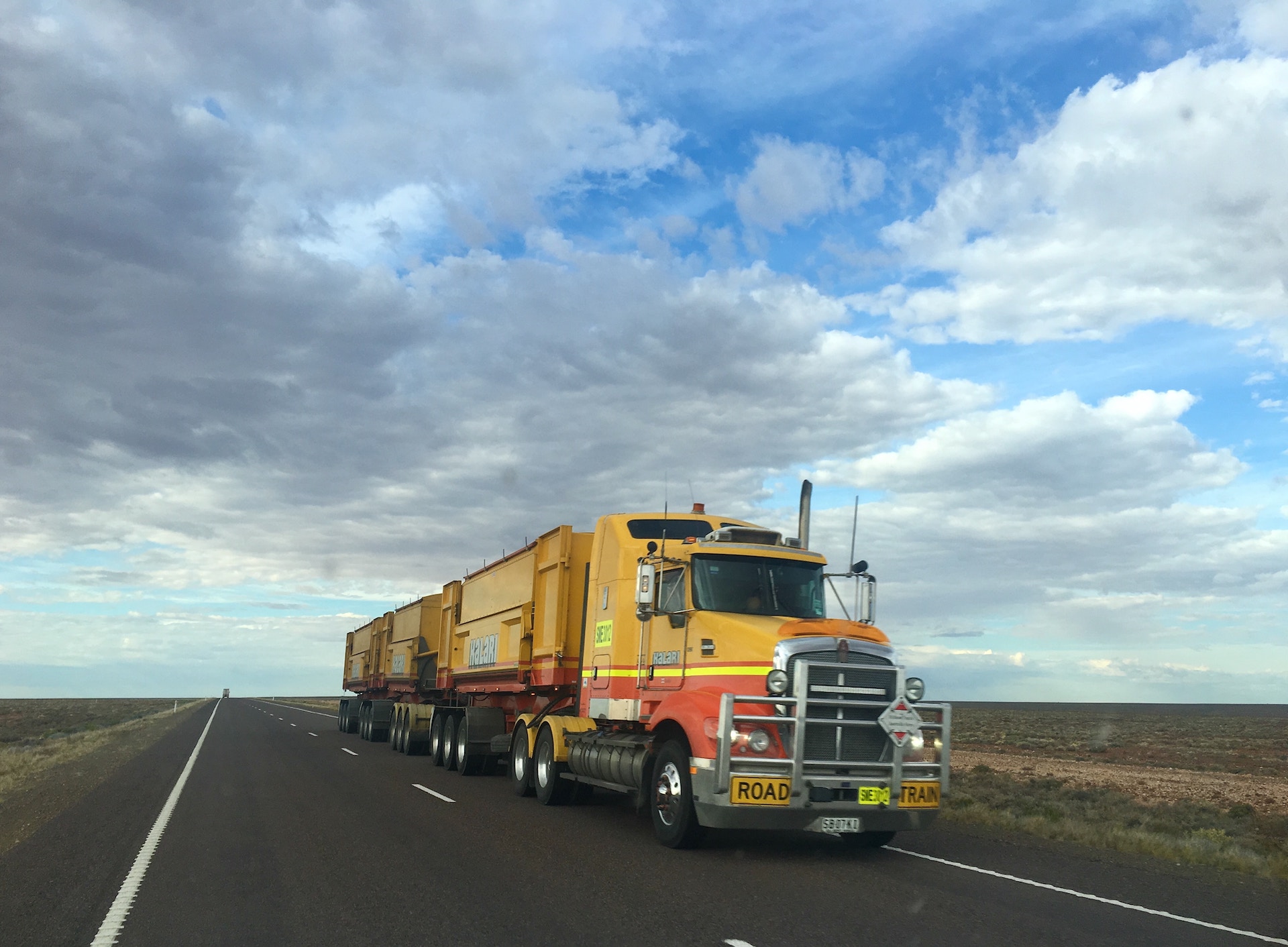
Less than truck load (LTL) freight is on the rise over recent years. The ability to reduce costs, driver strain, and time to deliver are the biggest reasons why companies are favouring this method over full truck load (FTL) shipping or small parcel.
Read more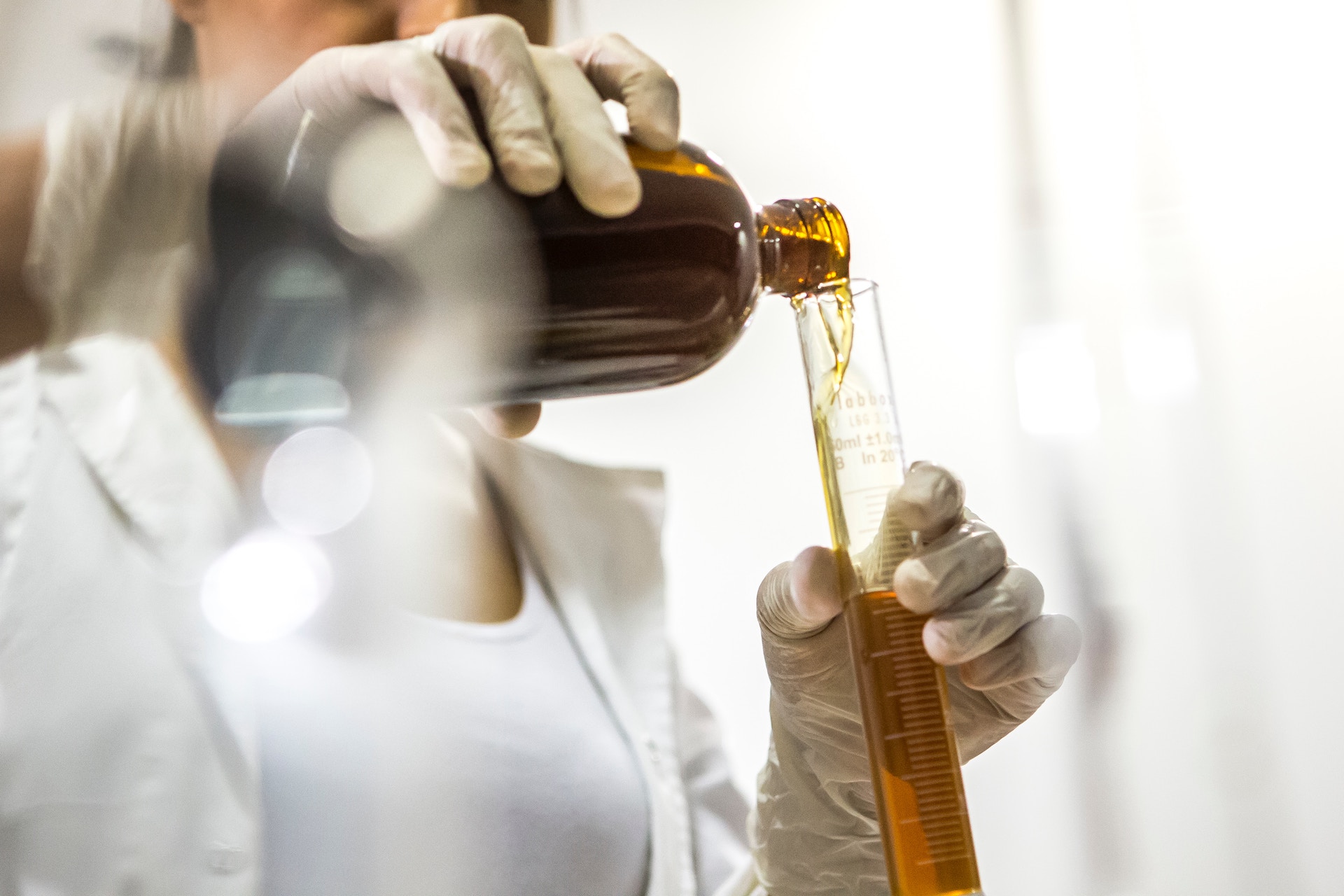
Pharmaceutical cold chains parallel the temperature-controlled food industry in many ways. Even though they are considered separate industries, food supply chain managers can take several cues from its pharmaceutical brethren and vice versa. Current regulations tend to confuse and blur the lines between these industries, which has resulted in complex legislation that doesn’t account for specific needs.
Read more
One of the biggest buzzwords in supply chain distribution is big data. If you are like many supply chain managers or logisticians, you are likely going to invest in big data and analytics at some point, but haven’t really gotten around to it. Let’s try to demonstrate exactly why you need to fast-track this process.
Read more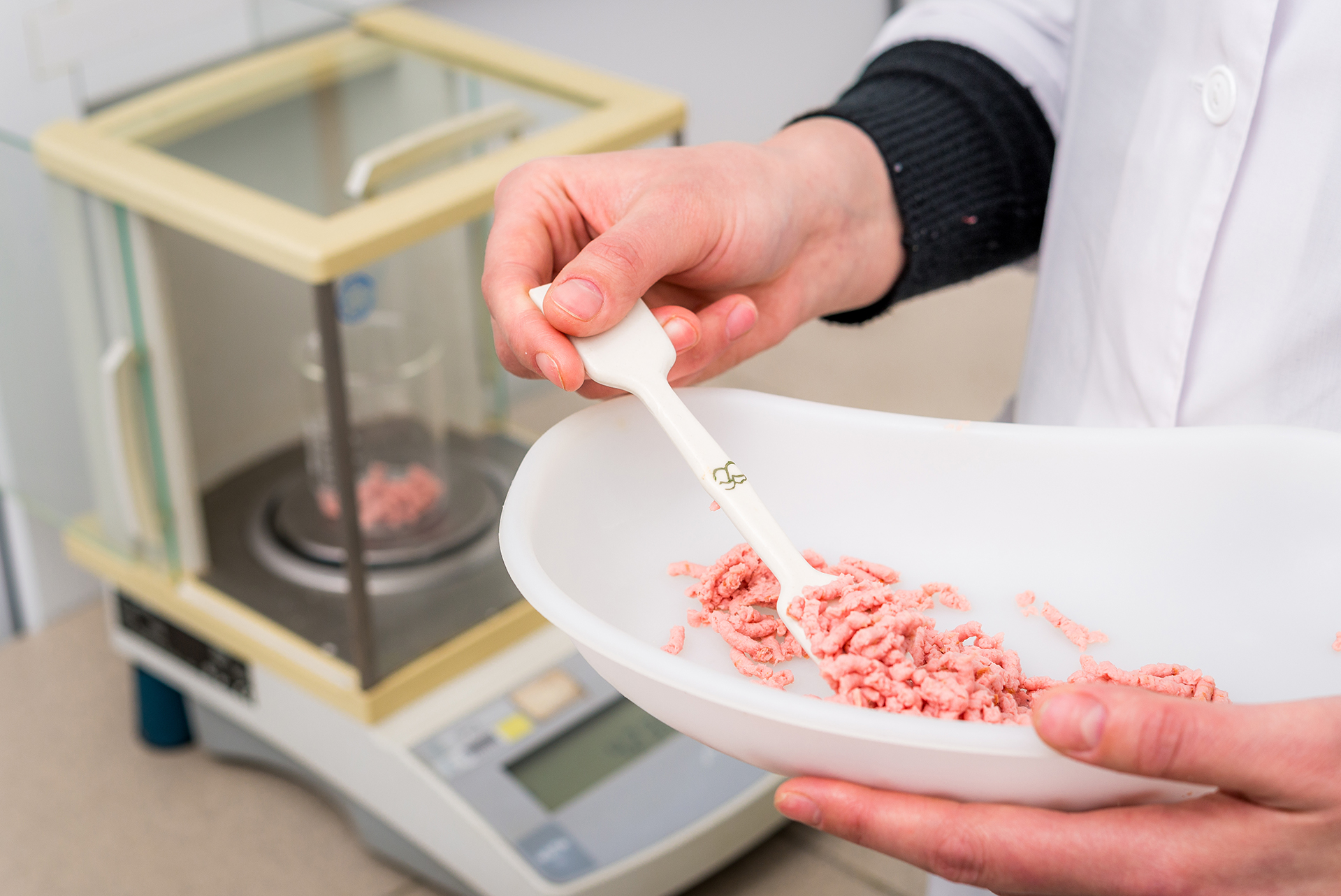
Even when standards are met, many international companies have a lot to improve upon when it comes to food safety. Issues exist in Europe and the United States, as well, even if most of us think these areas tend to have a high level of food security protocols in place. In this article, the Logmore team is going to review some examples of how the industry is getting food safety wrong the world over, what the most significant determining factor of success is, and why it is critical to respond sooner rather than later.
Read more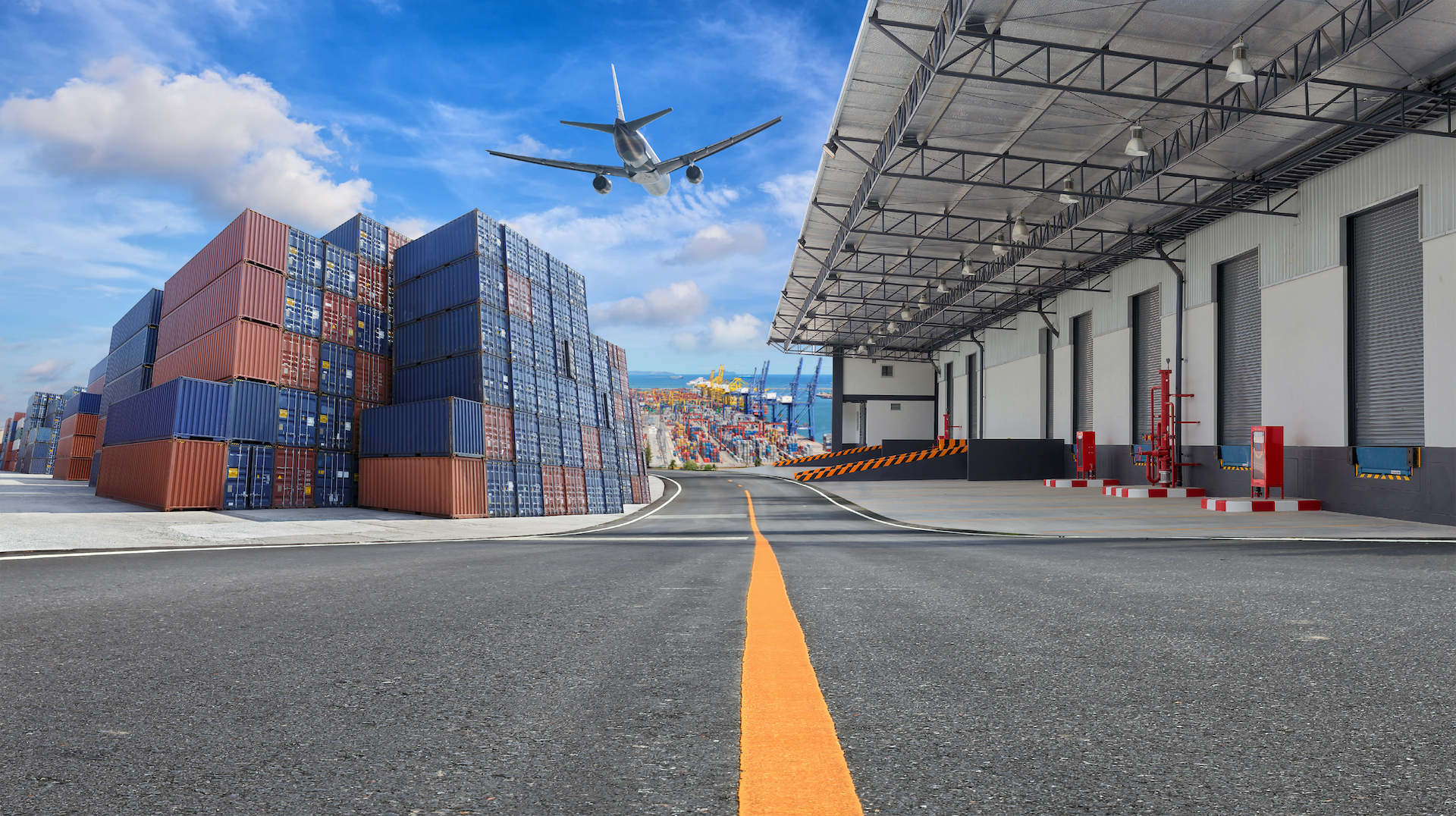
As supply chains become increasingly more complicated and globalised, the scarcity of resources and rapid technology transformations affects their every point. This assertion gives rise to the need for managers and logisticians to periodically test their supply chain’s resilience.
Read more
Logistics professionals are beginning to witness a massive gap between the current state of digital supply chain management and the industry’s future needs. In as little as five years, an organisation’s efficacy can not be dependent on its sole internal efforts alone. Today, the success of an organisation depends on how well industry players can develop a network of partners in the supply chain as well as make good on the service needs of individual customers.
Read more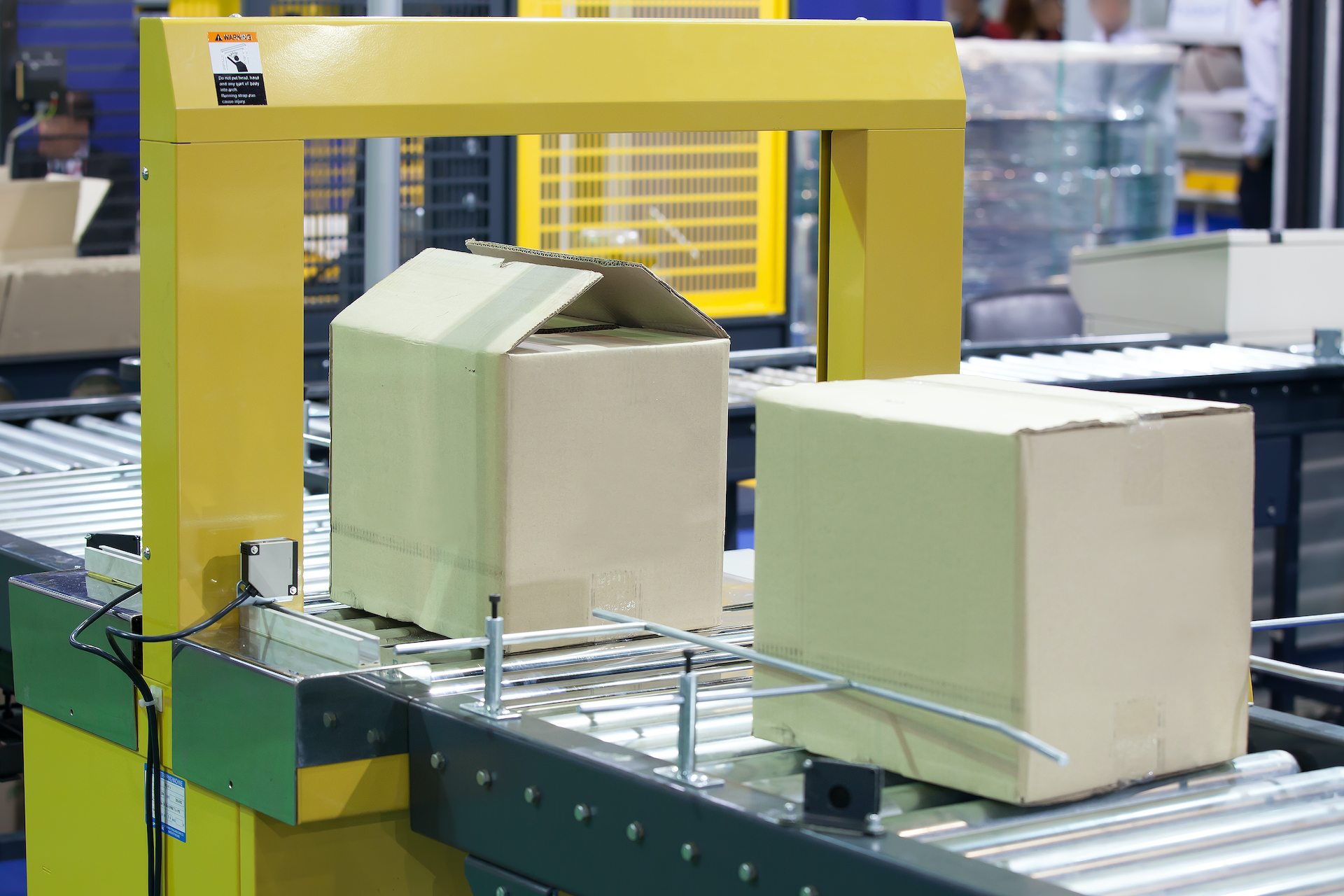
Freight management is top of mind for many logistics and transportation managers. It’s for this reason that you need to understand the central issues surrounding the industry when it comes to freight management. If it seems like every aspect of the process is changing, you aren’t alone. Outdated systems, customer expectations, and strategy development are finding new ways to improve upon old systems.
Read more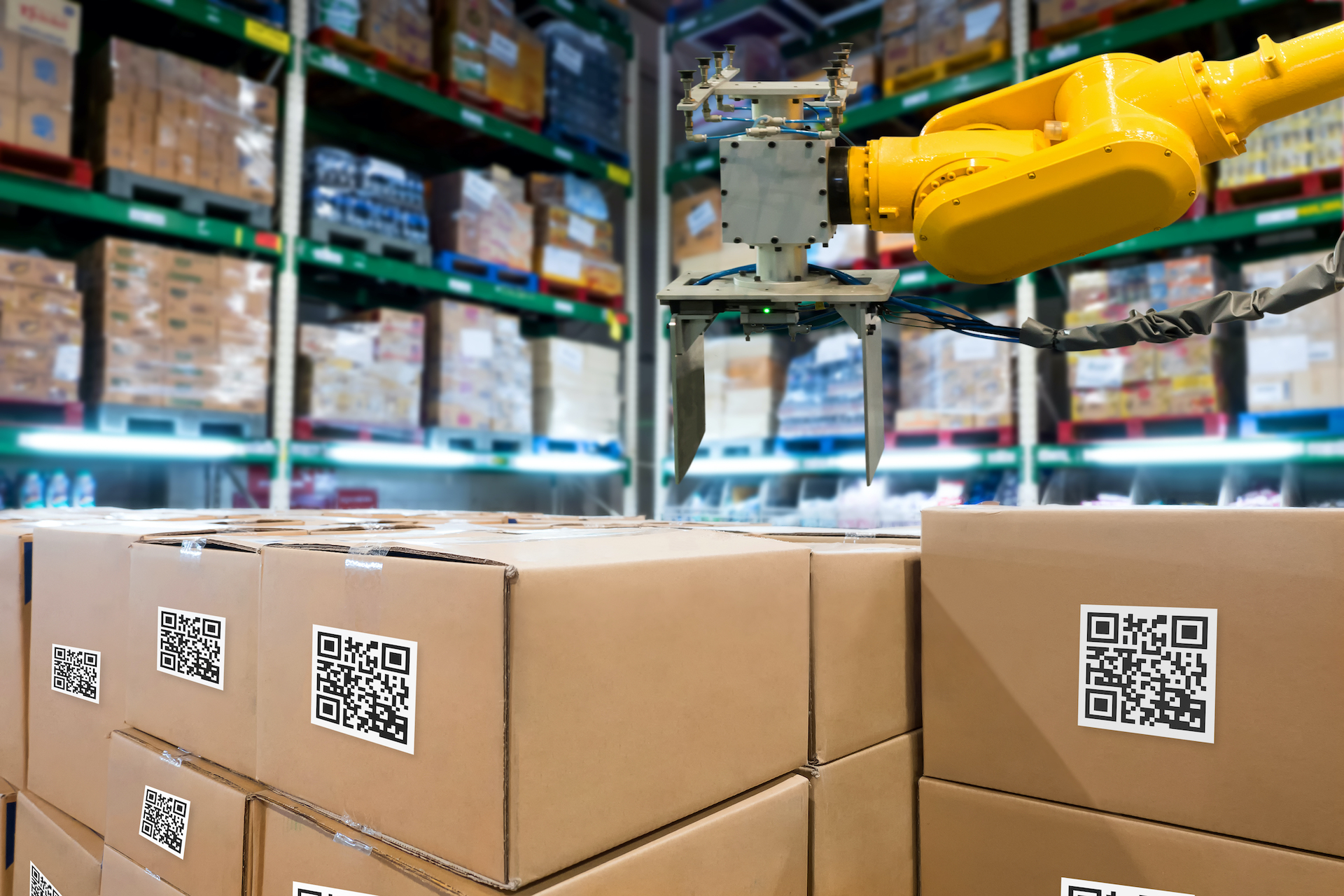
Supply chain management is a continually evolving business arm. Supply chain managers can longer consider supply chain automation to an optional strategy. Competition is fierce, and you can’t afford to leave things to chance. Not that you would want to ignore opportunities, but it is certainly easy to put off business activities we’ve been avoiding. We must drive the point that automation is going to elevate your business in ways that you couldn’t have previously imagined.
Read more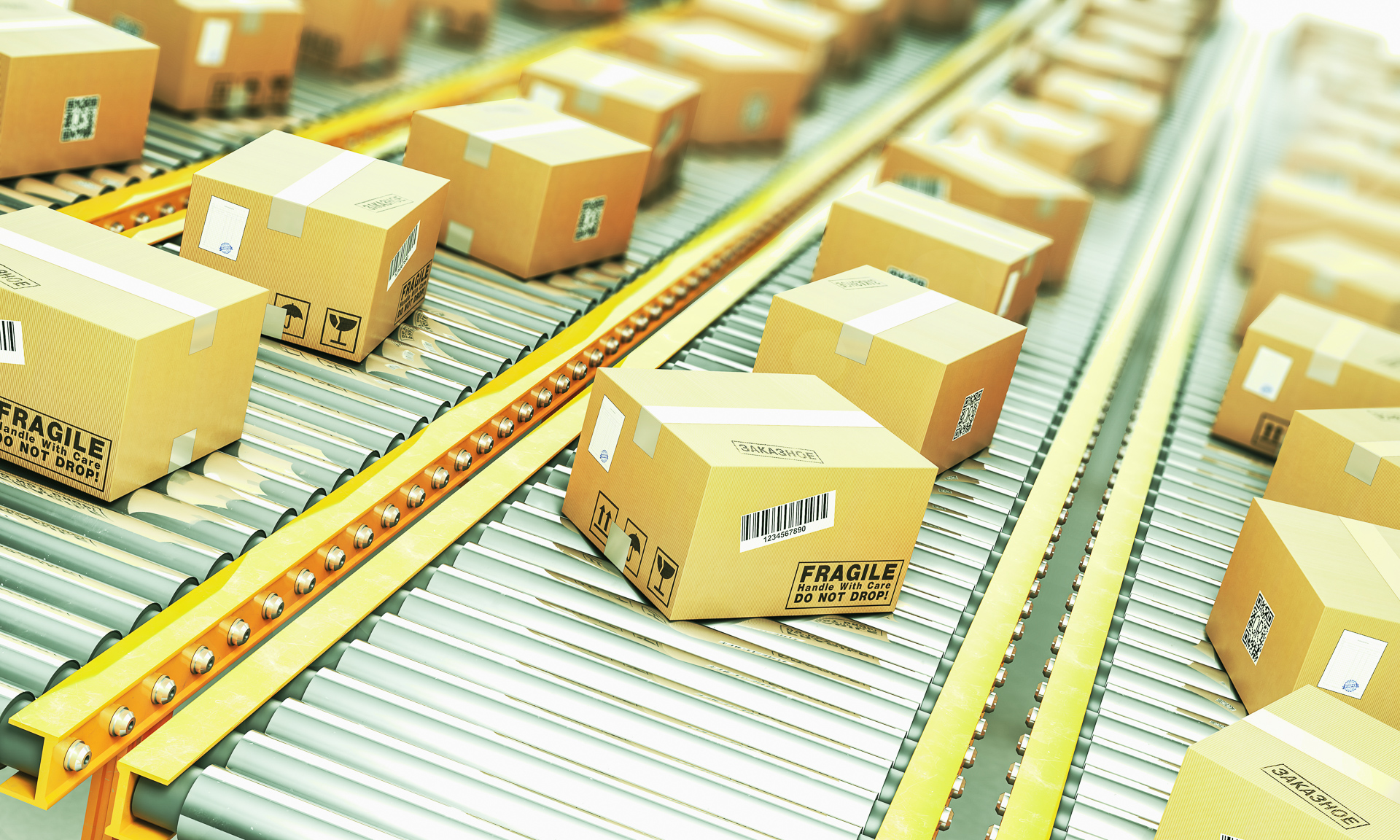
Logistics is one of those functions where, when done well is practically invisible. It’s also one of those industries without which businesses and societies couldn’t exist.
Read more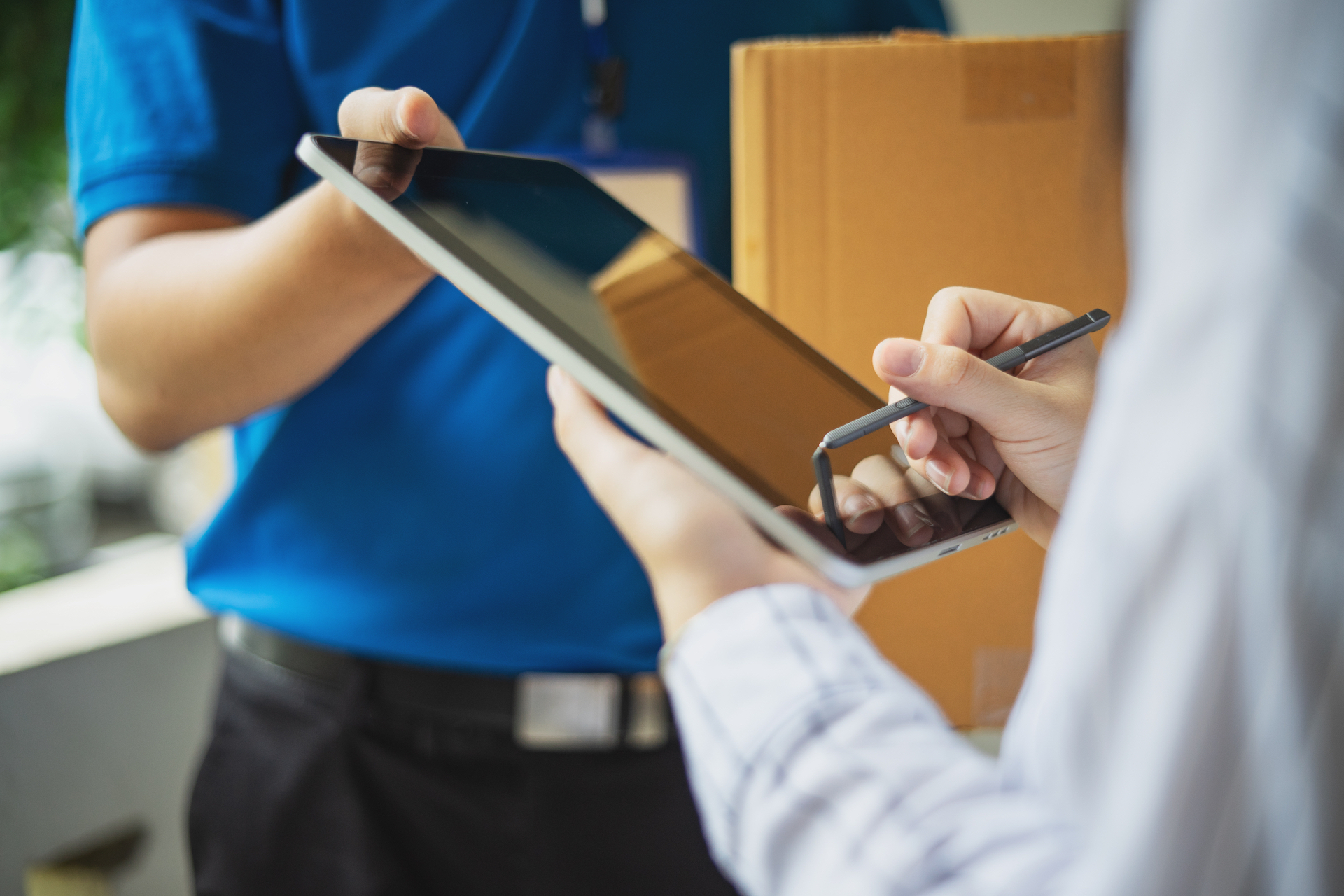
If you’ve been following our blog recently, you may have seen our two-part series on final mile logistics management. We are now concluding the series by summarising our findings as well as offering you insight as to whether or not final mile logistics is the best way to lower costs.
Read more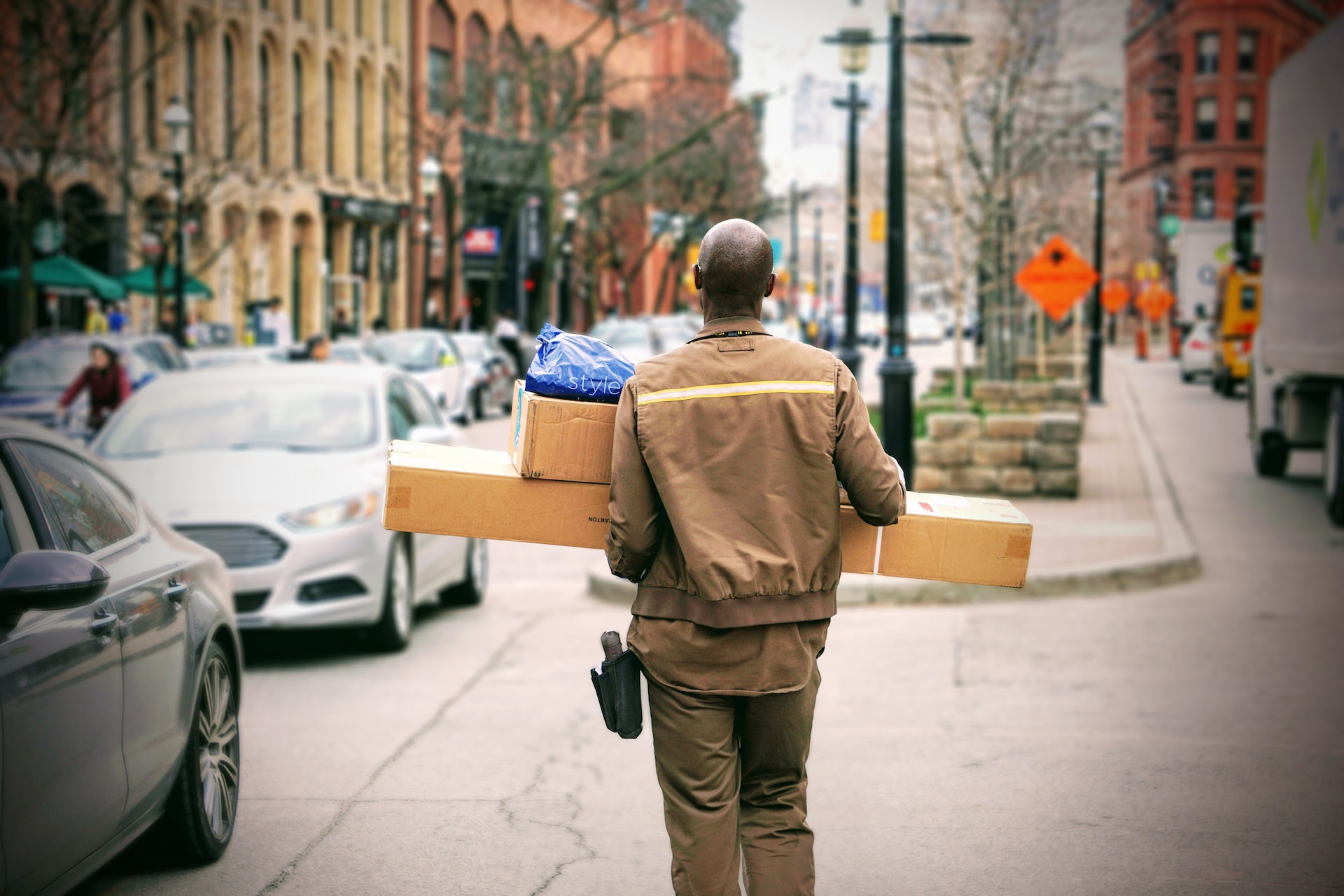
Transportation and logistics management are two closely related business units that share a common objective. The primary goal is to transport inventory throughout a company’s supply chain efficiently and effectively. While people use the terms interchangeably, transportation management is a subdivision of logistics. It’s a symbiotic relationship that requires care and attention. Actively managing supply chain offers your company tremendous cost- and time-saving advantages. In other words, you can’t afford to miss out on opportunities due to non-prioritization of this essential service function.
Read more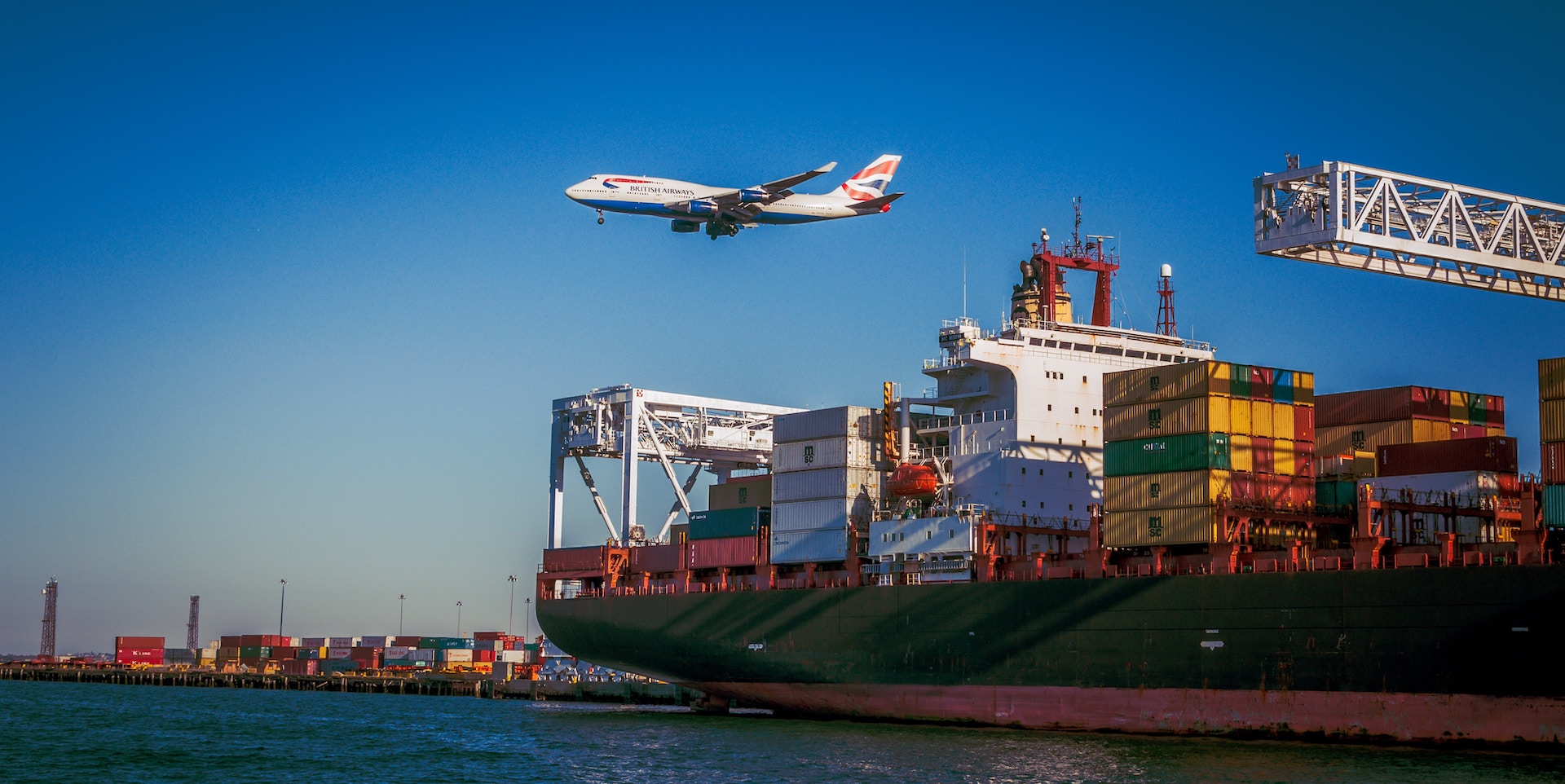
The carrier liability doctrine legally requires transportation and logistics companies to carry a minimum amount of insurance coverage while goods are in the shipping and delivery phase. Unfortunately, carrier liability policies are often limited in scope and provisions which can be frustrating for the hopeful policyholder. These limitations reasonably cause a shipper or seller to wonder if cargo insurance is worth it in the first place, and if so, which options, limitations, and benefits are available when it comes time to file a claim. Plus, we share how data logging, circumstance monitoring, data collection and analysis can benefit your insurance policy.
Read more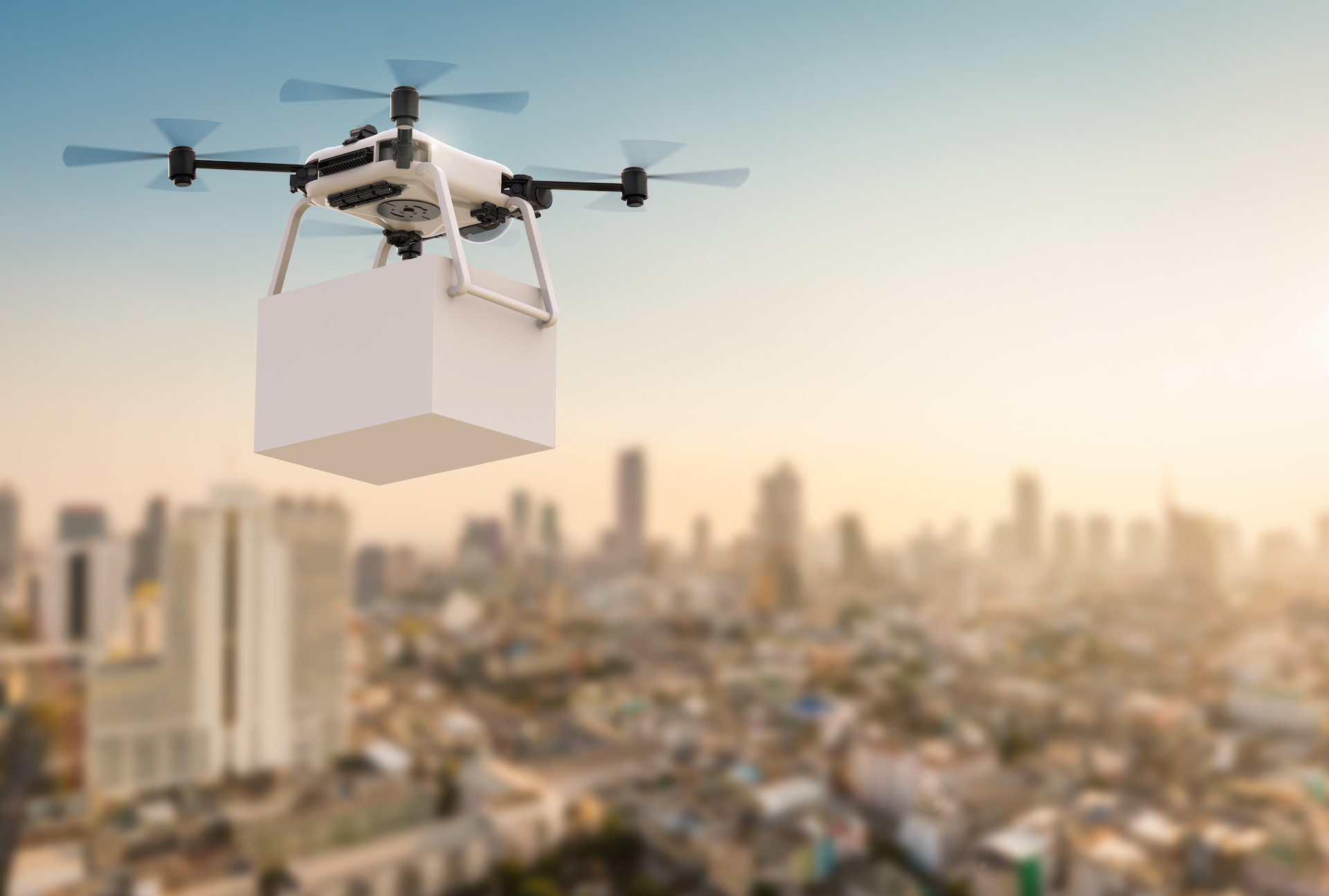
This time we're doing something completely different. The first official demo test flight of a Logmore QR tag ever took place on last weekend. A combination of business and pleasure, the flight provided us some practical data on how drones fit short-range logistics.
Read more
White glove services as part of final mile logistics is in high-demand at the moment. As new industries enter, it is crucial for providers to address the unique technology needs in a manner that makes sense for both sides, including the customer. There are inherent challenges in offering this type of service. However, the good news is that technology can mitigate losses and maximise revenues at every point in the shipping process while providing exceptional customer service.
Read more
With the rising popularity of same-day delivery services, final mile logistics management is blending with overall logistics management. This makes it more important than ever that retailers and suppliers can count on shippers and delivery services to provide excellent customer service. The shippers and carriers have become an intrinsic part of the team and contribute to the overall success of any online retailer.
Read more
So, you say data logging can be expensive and difficult. It’s also necessary if you want to protect the revenue and reputation of your food or pharmaceutical logistics company. It's especially difficult to collect data from the last mile of the supply chain. But it doesn't have to be expensive, difficult or time-consuming.Spending time and resources on efficient operations is a drain on so many aspects of your business. It makes sense to look for the most efficient ways possible to log data and perform condition monitoring.
Read more
Are you struggling to keep your supply chain business running efficiently? If so, you’re not the only one. Tons of supply chain leaders are trying to keep up with growing consumer demand.
Read more
In the workplace, most employees tend to be aware of safety as a general concern. They are conscious of obvious dangers and basic safety procedures, like washing hands and properly disposing of hazardous materials. However, the basics aren’t enough, especially not in as sensitive an industry as food and pharma. Employees should also be aware of and proactive about less obvious safety concerns. So how do you ensure that this is the case?
Read more
Food safety is a critical part of running a successful restaurant or food retail business. Without food safety measures in place, you’re putting your customers in harm’s way by potentially exposing them to food poisoning like salmonella, norovirus, and botulism. Not only is food poisoning unpleasant and will deter patrons from visiting your restaurant again, but it can be deadly as well.
Read more
There are a number of consequences to not following basic food safety precautions, all of which stem from food poisoning. Exposure to pathogens and microorganisms that cause disease are a major consequence of poor food safety. When bacteria or viruses are exposed to food matter, consumers can become very physically ill days later.
Read more
Thanks to the growing popularity of e-commerce as well as a flood of young talent into the business world, B2B and B2C companies are experimenting with a trendy new business model. The previously distinct domains of B2C (business-to-consumer) and B2B (business-to-business) are being integrated and remodelling themselves as B2B2C (business-to-business-to-consumer) companies. While this development has worked well for several companies, it creates an increased need for monitoring during the supply chain from the producer to the end-customer.
Read more
Biologics, samples from clinical trials and many classes of medications and medical products are extremely sensitive to heat, humidity and other circumstances. Annual losses due to mishandling are over $35 Billion - what can we do to stop it?
Read more
A nice, hot summer day is welcomed by most of us, right? On the other hand, some grumble about the weather being "too damn hot". One of them is your fridge, or would be if it could talk. Summer is the time of food safety hazards, but those can be averted actually rather effortlessly.
Read more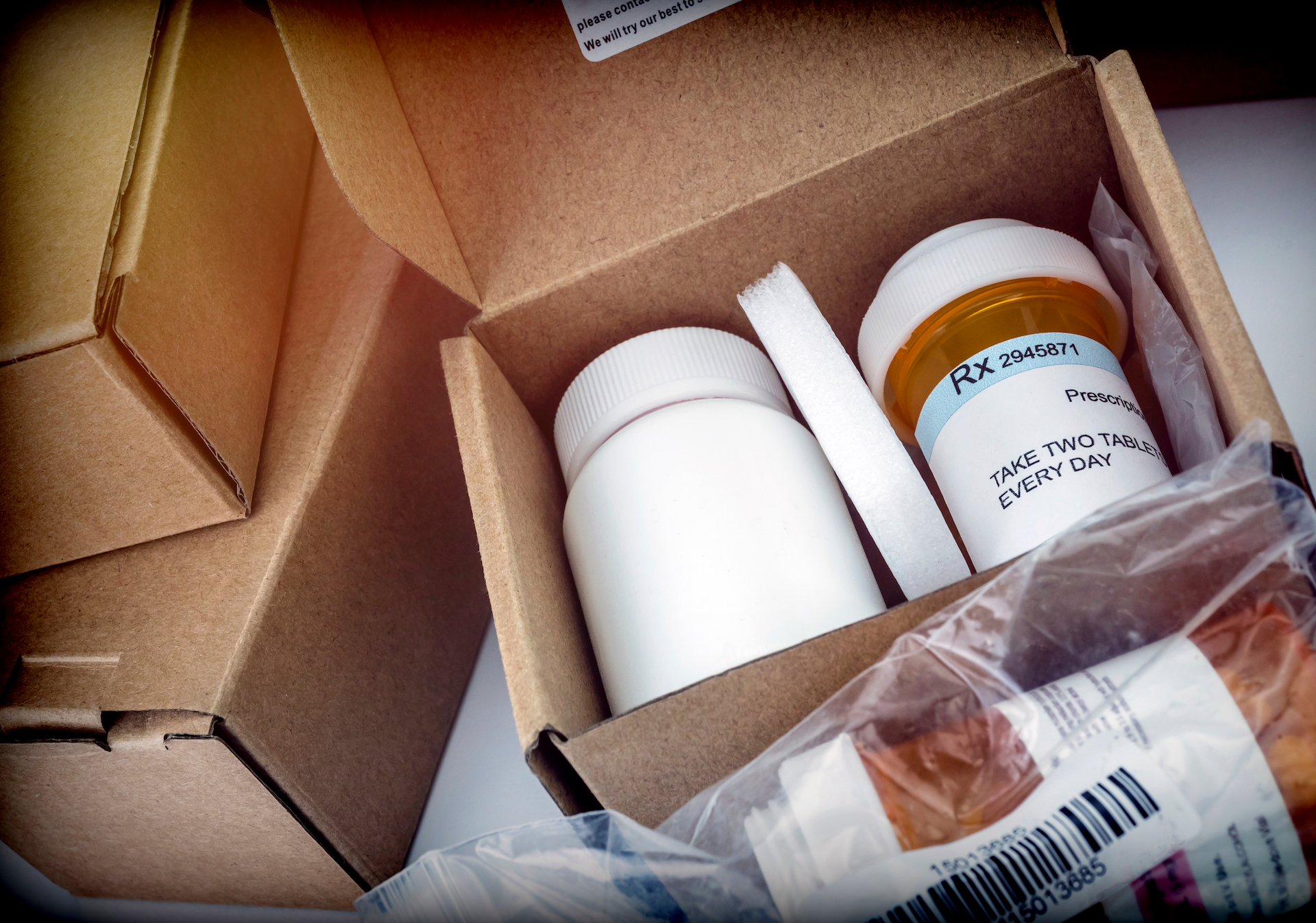
Damaged freight is an absolute nightmare in the online pharmacy industry. Running an online pharmacy requires the careful transportation of goods that can be sensitive to temperature, light, and humidity levels. And thus, ensuring that items arrive at their destination in useable order requires that the right processes are in place. After all, the end customers depend on these items for their health and wellbeing.
Read more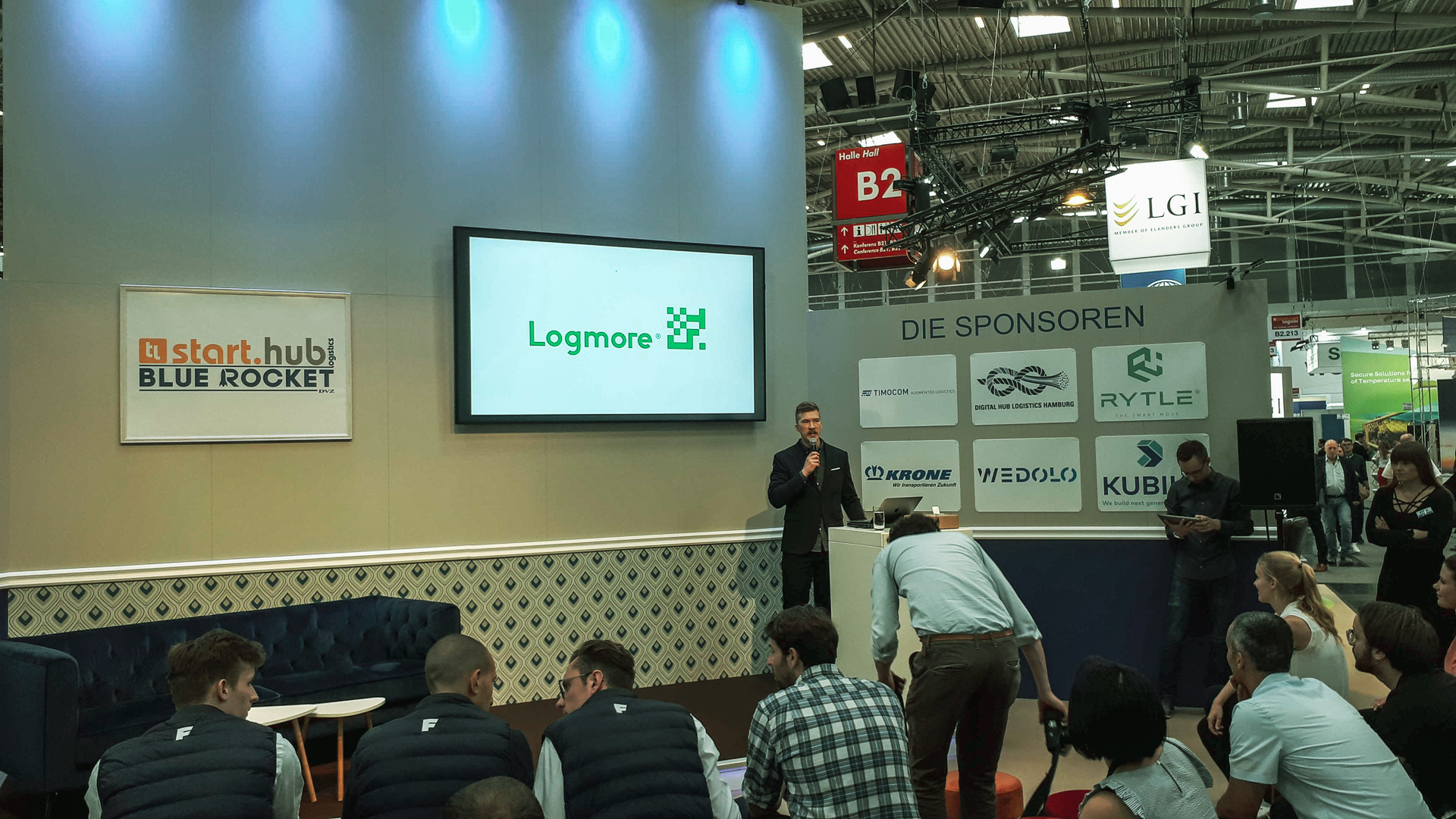
June was a super exciting month for Logmore both as a company and as people. R&D boomed, trade fair attendances woke attention, and plenty of new relationships were born. Let's go over the month with Niko and Jarmo.
Read more
Shipping goods is usually the most tedious part of the buying and selling process. Whether you’re running an e-commerce business, or you’re interested in shipping a fragile one-off item, it’s important to know the best way to ship fragile items. After all, the last thing that you want to do is to risk something being broken on the way from A to B. The best way to minimise the risk of this is to make sure that your items are properly wrapped and marked. Which is what we’ve got for you here - the ultimate guide to shipping fragile items, and we’ll talk you through what is considered fragile, the materials that you need, and some of the best tips and tricks to making sure your parcel arrives safely.
Read more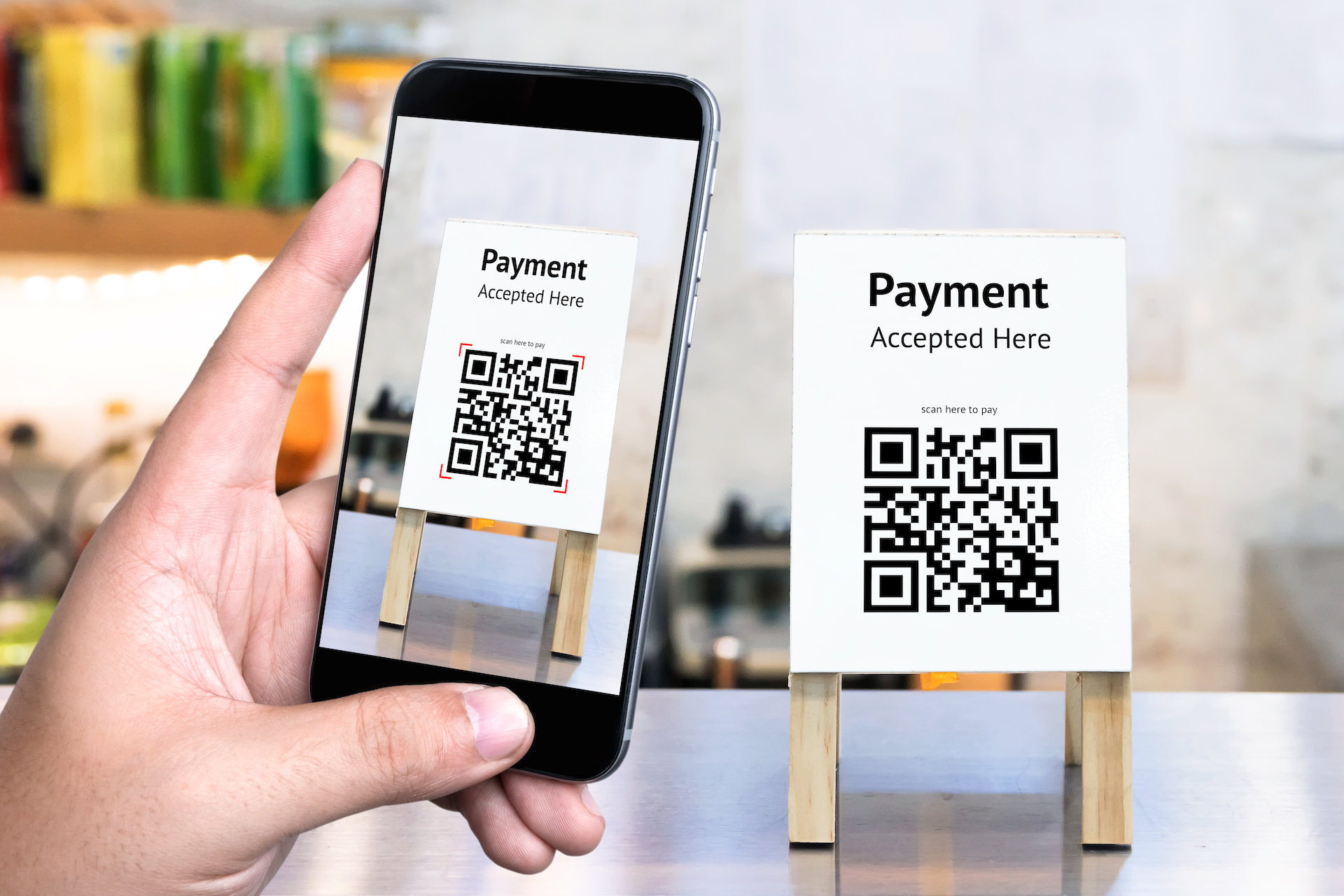
Continuing the theme of QR code comeback in the world, this post discusses the recent rise in their use in Europe. While QR codes are extremely commonplace in Asia already, the western hemisphere is only catching up now.
Read more
Over recent years, QR codes have seen significant growth in popularity. From becoming the main avenue of payment in Asia to their recent introduction onto EU medicinal packaging, it looks like these two-dimensional codes are here to stay.
Read more
Every now and then it's good to talk about simple things, like what one does and why. In my experience it helps clarify and focus one's own thoughts, and well, in a written, public format like this, the way one's audience perceives those things. So, let's see what I think.
Read more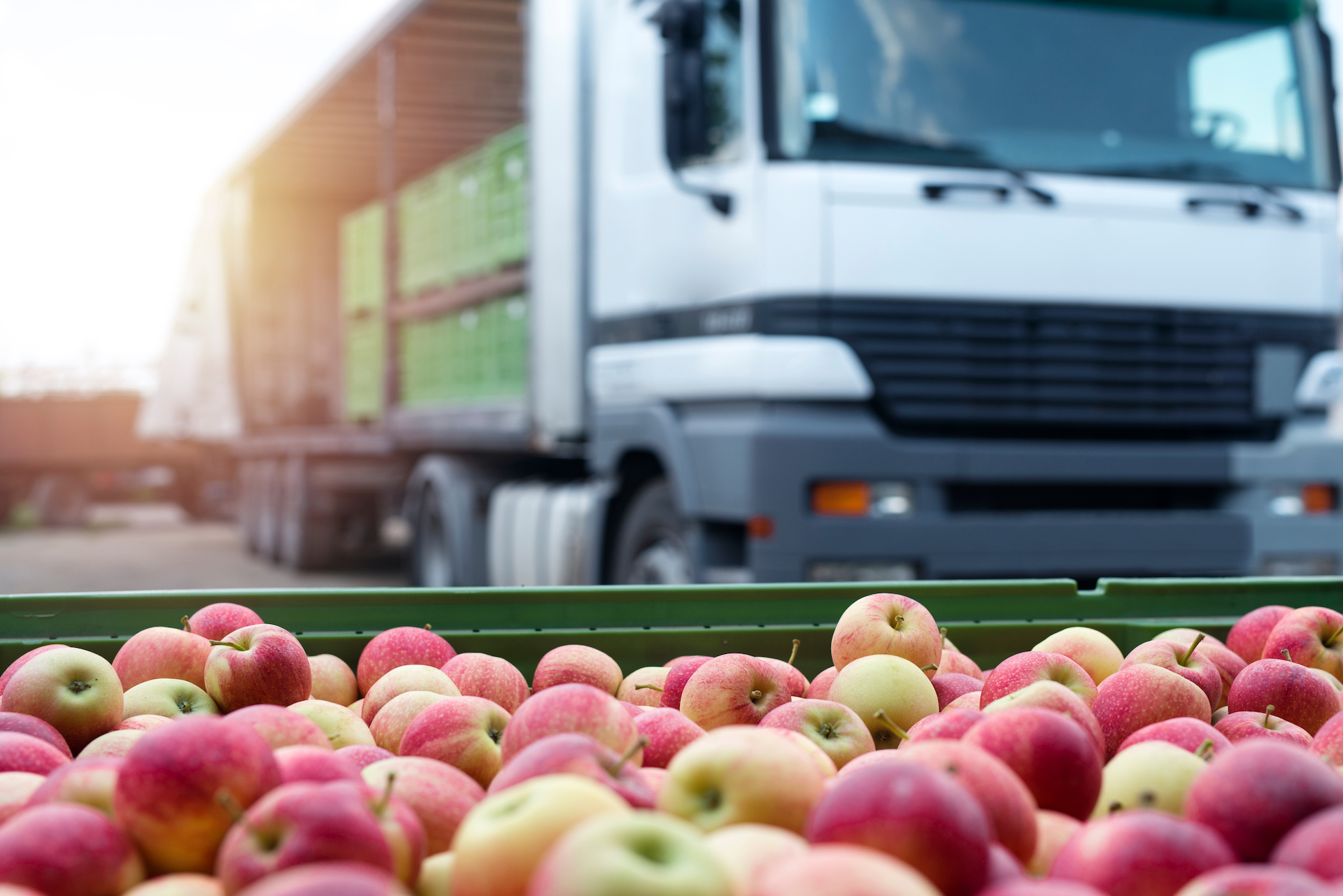
The logistics of transporting fresh produce is very complex, and the members of the supply chain must work together seamlessly so that the produce can make it to the end consumers in perfect condition. They must take into account packaging, temperature, humidity, and other factors to ensure the produce stays fresh and intact.
Read more
Two words: "fine drink" - what's the first thing to come to your mind? The odds are that wine would be your answer. Globally known and appreciated, fine wine is surprisingly sensitive and needs to be transported and stored with care.
Read more
With such a large amount of temperature-sensitive products being transported daily all around the world, cold chain technology has developed a lot over the years. Now, how do we use the technology we have available to us?
Read more
In our previous article in this series, we tackled everything one would need to know about food spoilage: What it is, what causes it, and why it is such a global problem. But how exactly can food spoilage, particularly within the supply chain, be reduced or halted completely? The amount of fresh produce and food in general that never reaches the consumer is absurd and needs to be dealt with.
Read more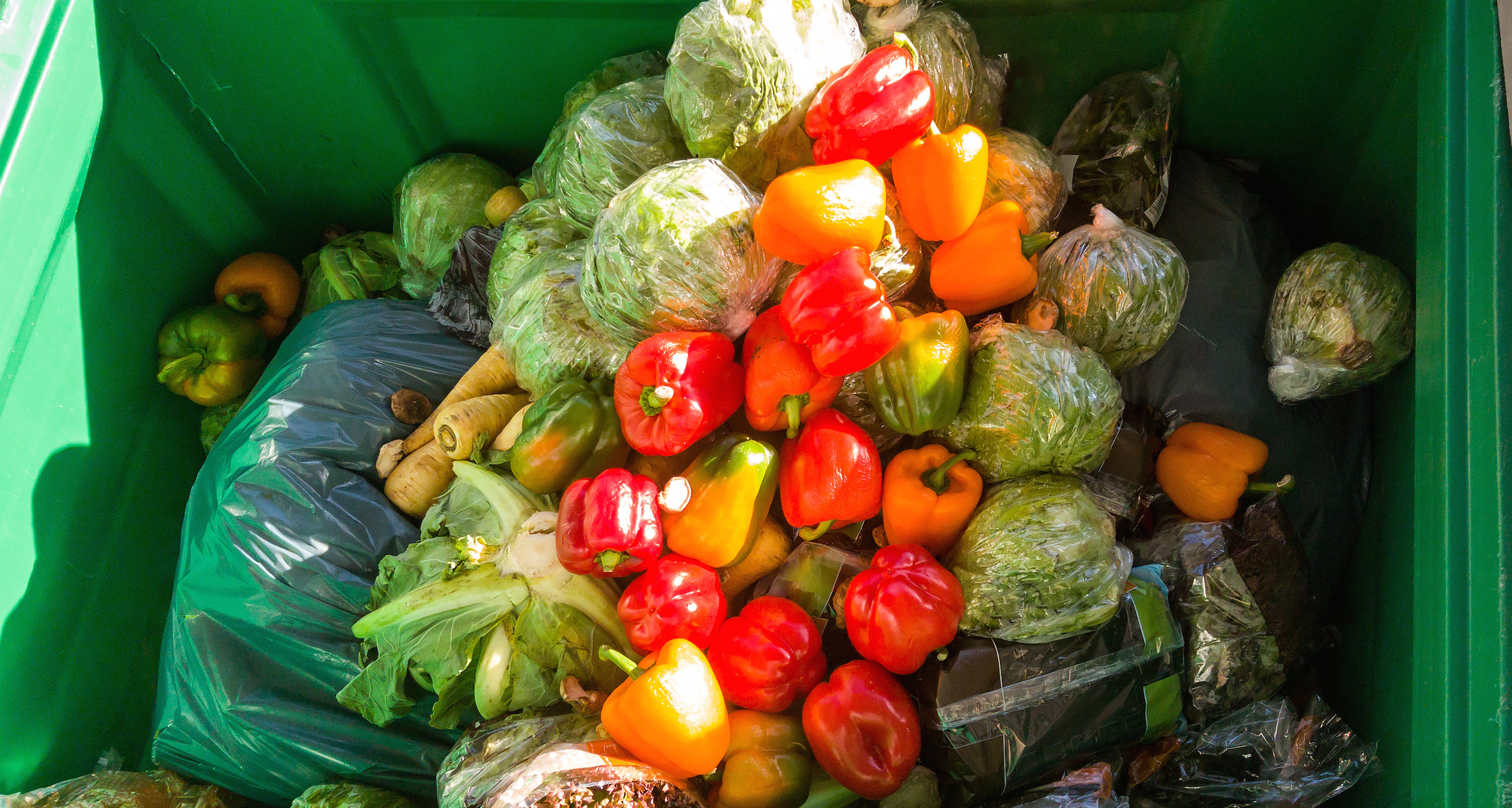
Food spoilage is a major issue in our economy today. When one thinks about food spoilage, they often think of how food goes bad in homes. It is indeed an issue. Nearly 150,000 tons of food is thrown away in households every day in the US alone.This could measure up to a third of the calories that Americans consume. Out of all types of food, fruit and vegetables are the most likely to be thrown away. While there are certainly things one can do to combat this in our own households, a bigger issue is arising. From farm to store, supply chains are struggling with a food waste issue as well, and it’s on a global scale.
Read more
One of the big questions we're asked before a customer buying our data loggers is "why QR and not RFID?" While we're obviously biased as a company, here's a personal explanation, as objectively as possible.
Read more
Current AI is like a giant game of telephone. Devices are connected to each other and to available data through the internet of things. You’re probably familiar with it. It’s how you can change the temperature on your thermostat when you’re on vacation out of state. How your home security system can send you a notification if your front door is open. How your phone can recognise which song you are listening to and give you the title and performer without you even asking it. Data is logged and sent to various databases, and that data is used to make sure you get the information you need for a given circumstance. Without data, AI can’t act. In fact, what's slowing down most companies from fully utilising current AI technology is a lack of organised data. Without a doubt, data logging is essential to business success, and here’s why...
Read more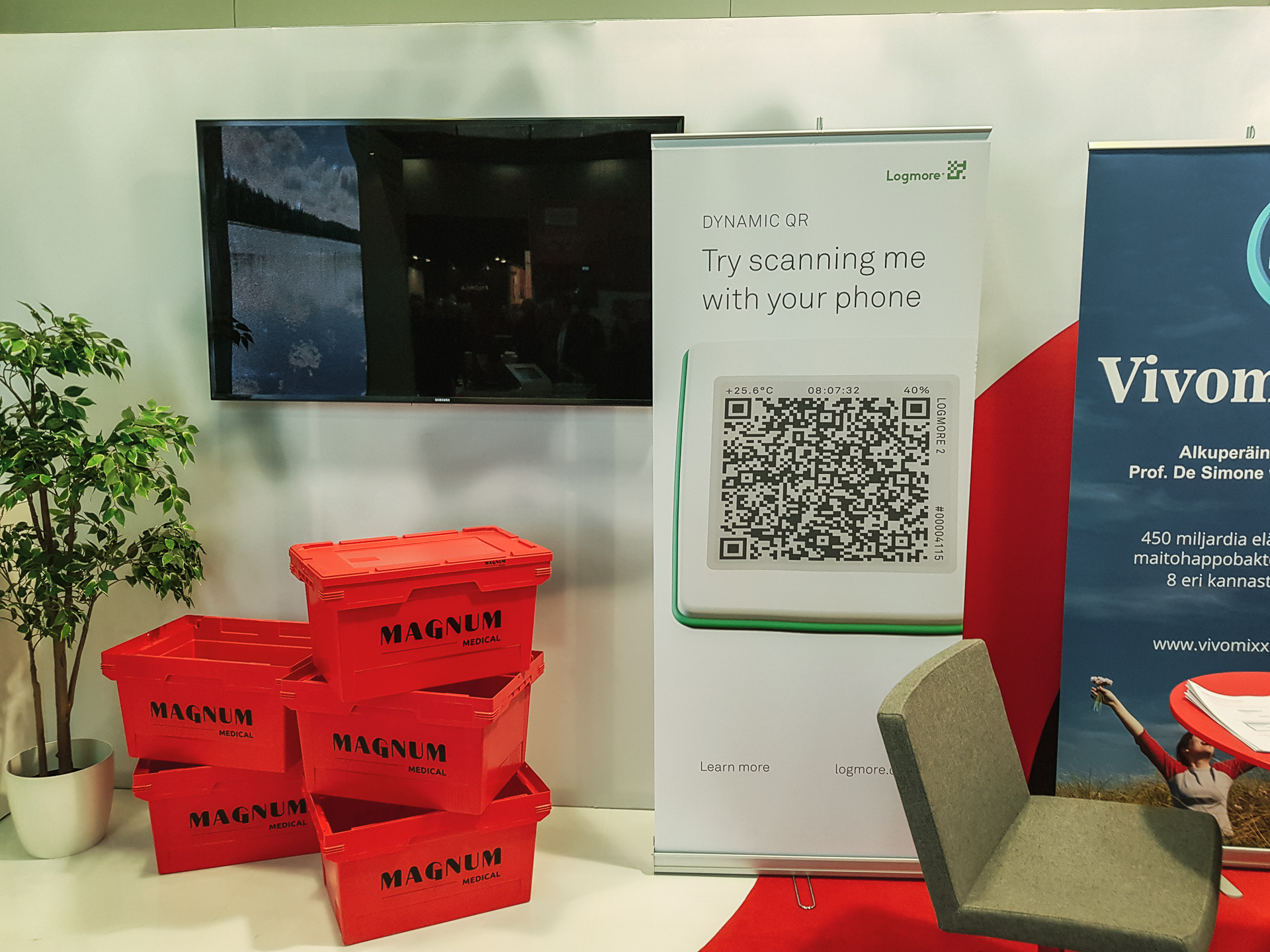
We participated in the Finnish Pharmacy Event Apteekkari2019, where the Association of Finnish Pharmacies officially started recommending Logmore as the service for pharmacy temperature monitoring. Since vaccines and other pharma products are very temperature sensitive and the requirements set by the industry are strict, we're both humble and grateful for the honor.
Read more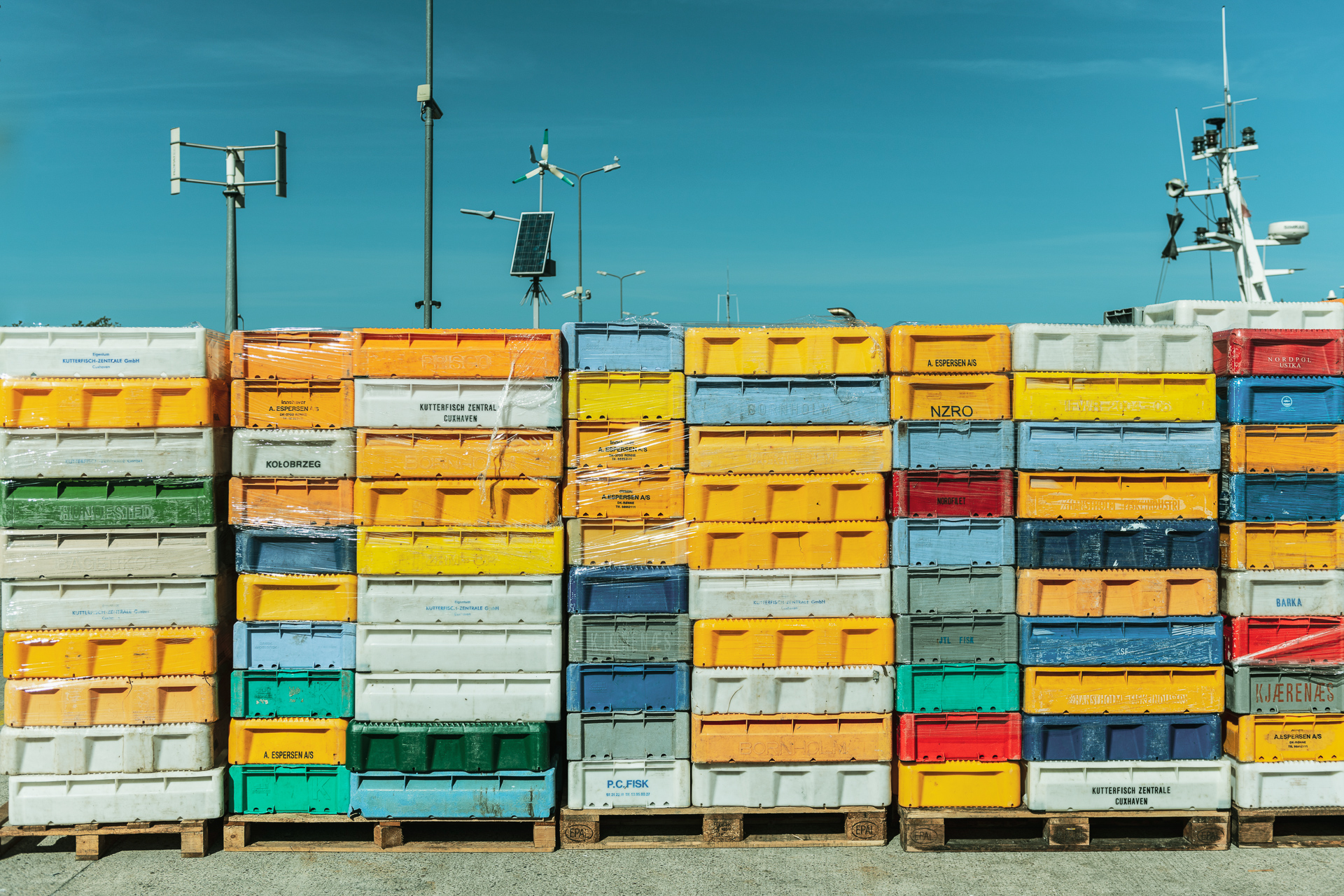
Over the past decade, e-commerce has continued to take over our lives, and it's changing the very foundation of our economy. Due to the growth of online purchasing, this has required supply chain management teams and logistics professionals to find more efficient ways to manage inventory and pump out products at a rapid rate.
Read more
As the world continues to become increasingly connected, and internet-of-things (IoT) takes the supply chain industry by storm, organizations have much to gain from the introduction of this new operating approach known as “digital logistics.” Digitization, in its simplest definition, is the process of collecting data from disparate silos or buckets and aggregating it to create a holistic view of individual processes from beginning to end.
Read more
Supply chain management forms the backbone of most economies and successful multinational companies today. From humble beginnings to global standards, its relatively short history is summarized in this article.
Read more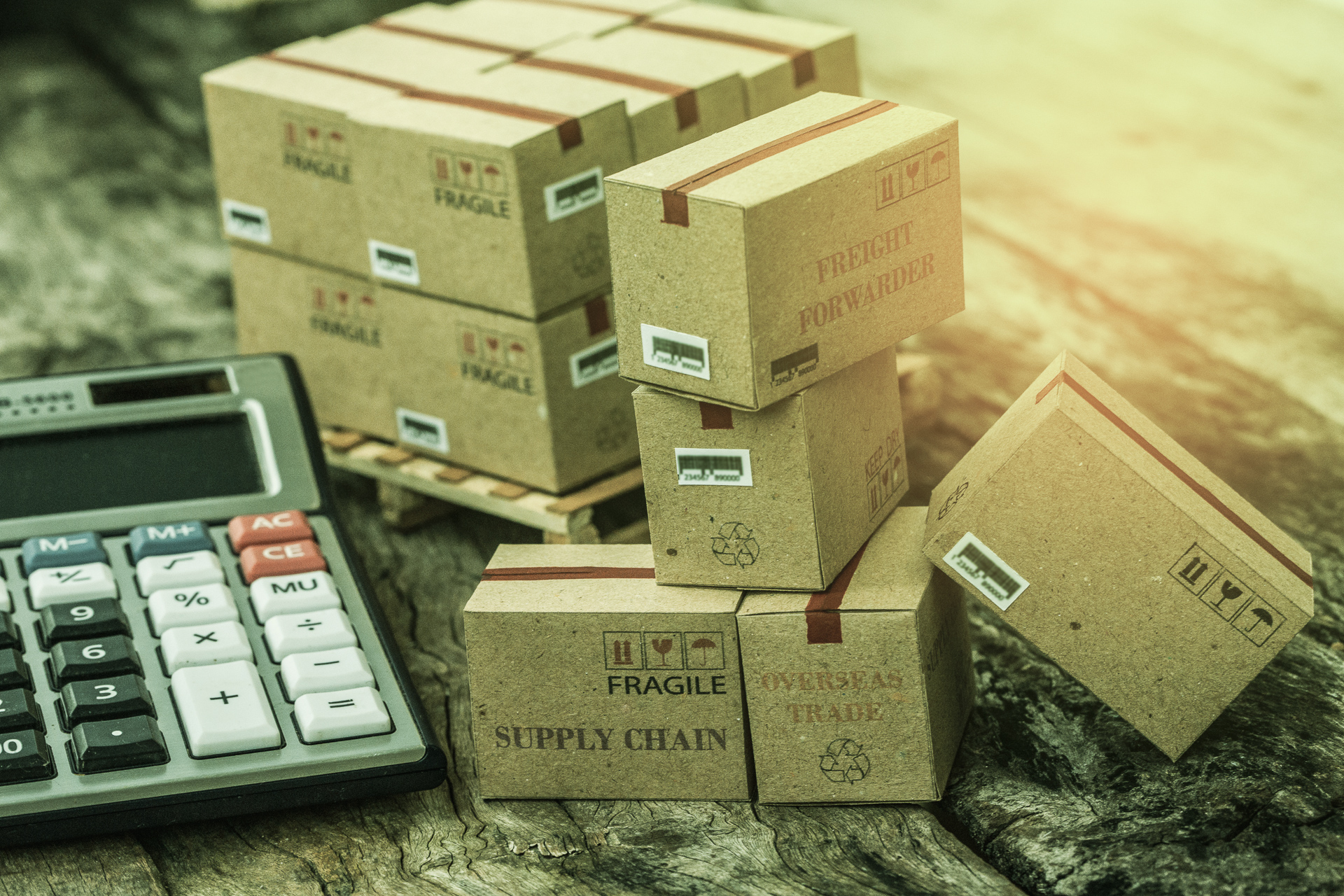
For most companies, product returns are an inevitable — if unpleasant and potentially costly — part of doing business. Reverse logistics is the process of tracking a product’s life cycle in reverse: from the consumer back to the seller or manufacturer. While a business may not be able to recoup all of the costs associated with a return, a good reverse logistics strategy can help minimise losses and increase customer satisfaction.
Read more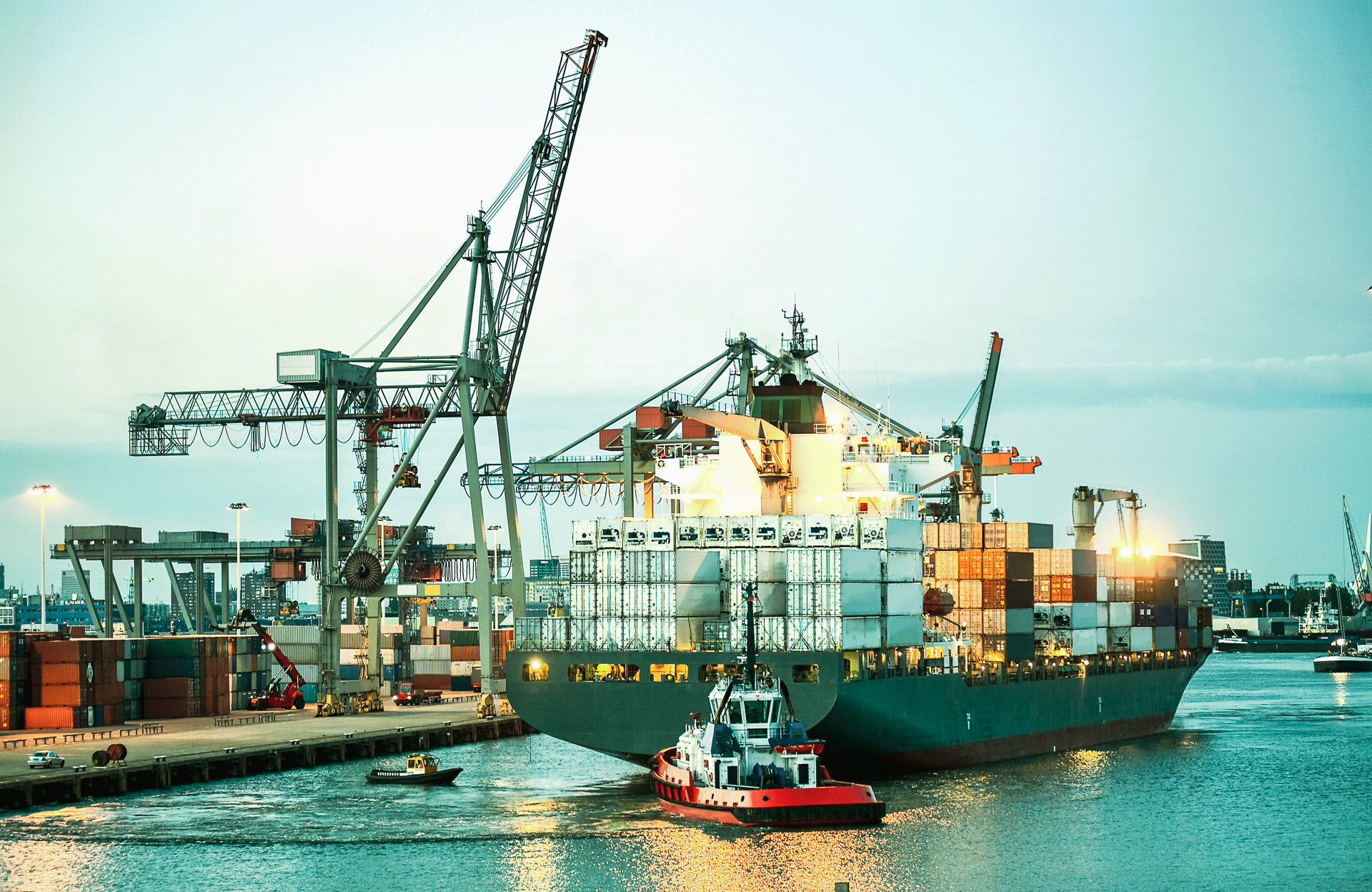
Logistics, known for being the "Invisible Industry", is the silent, immense construct that ensures that all of the things we take for granted work. After all, without shipping, storing, distributing, most of us would run out of food fast, not to mention the vast majority of the infrastructure shutting down. Every moment millions of logistics employees work, so that most of us can simply drop at the store to pick up some milk, have heating in our house, and even have electricity.
Read more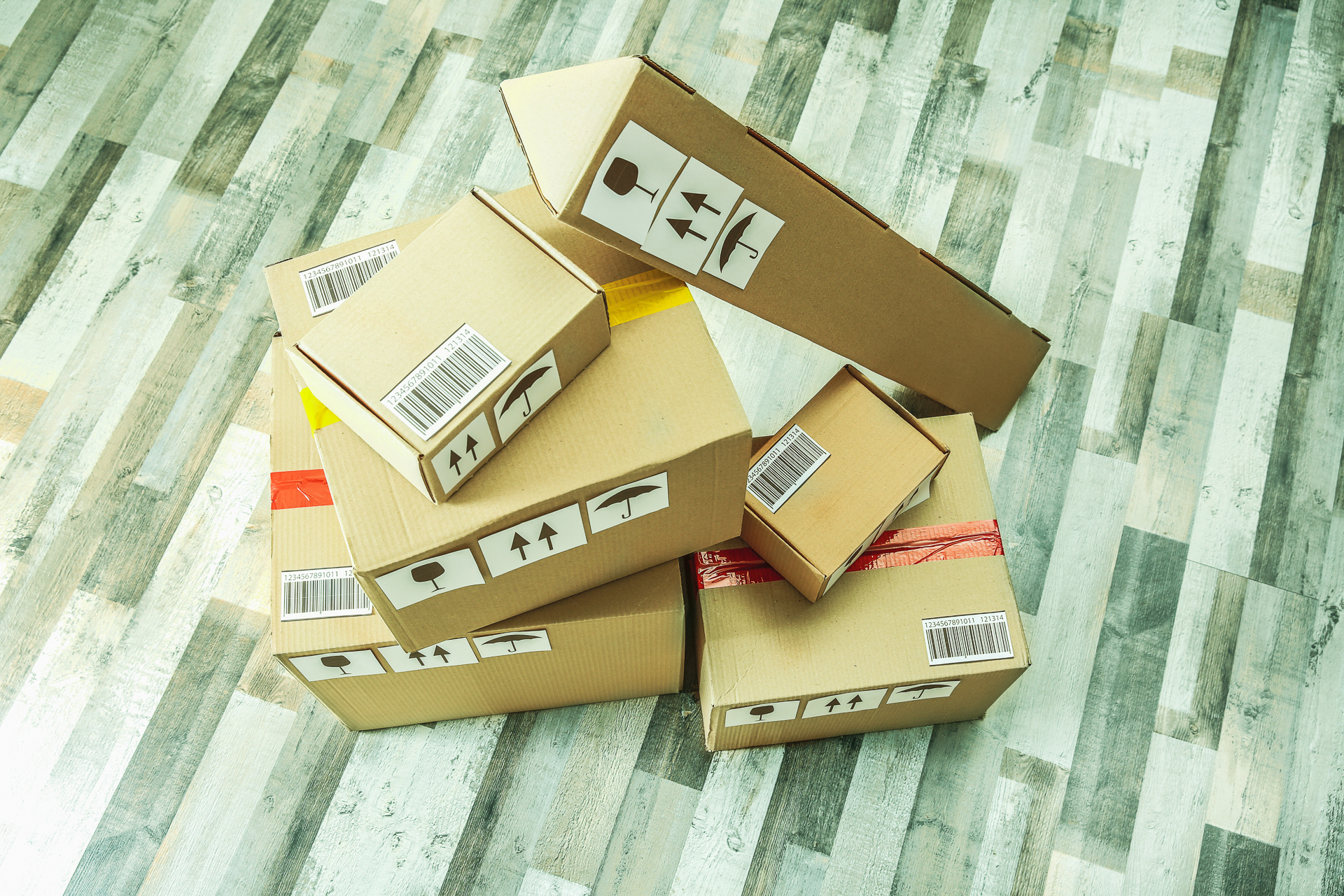
Most businesses concentrate the bulk of their efforts on getting a product off the shelves, out the door, and into customers’ hands. This makes good business sense. After all, you can’t make money without selling. However, what happens when a customer is dissatisfied with a product? Whether it’s the wrong size, not what the customer expected or just no longer needed, how does a business handle returns? How does it ensure customer satisfaction even when the buyer’s experience took a bad turn?
Read more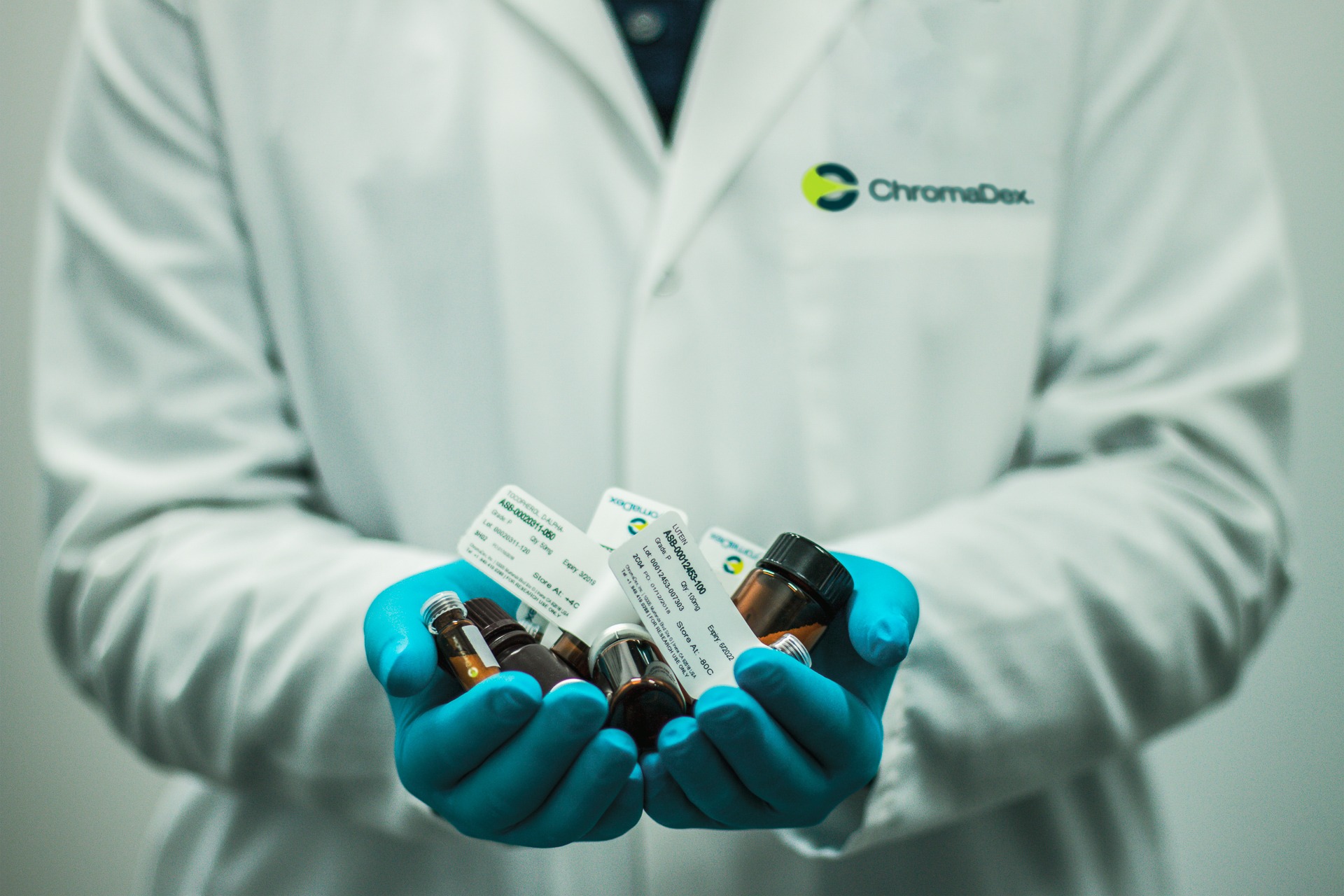
In 2017, the cold-chain logistics spending was globally over $13 billion for biopharmaceutical goods alone - of which 20-40% is estimated to be damaged during shipping. That's one fifth to almost a half of all shipped goods in the industry. Obviously, that's horrible for both your bottom line and the environment, so what can you do about it?
Read more
Data logging sounds complicated, but can actually make managing your supply chain a lot easier. Think about it. How much have you lost in goods damaged during transit? What if you could just prevent the damage in the first place? It’s a no brainer, right? And that’s exactly what data logging can do by implementing efficient monitoring. So what exactly is data logging? Take a look at this comprehensive definition of data logging and all its components.
Read more
A start-up can be here today, gone tomorrow. Or they can be unknown even locally today, and world-famous tomorrow. Your guess is as good as mine. There’s one thing, however, that is generally true about start-ups: there’s a lot of enthusiasm and optimism involved.
Read more
Intelligent apps combine big data, IoT and AI in a promising mix that will certainly boost many aspects of day-to-day life. While the B2B environment is bound to develop slower, the meaning of intelligent apps and machine learning might be even more considerable than in B2C.
Read more
QR codes are a very everyday thing for us these days, and a central part of worklife for us at Logmore. Now we'd like to shed some light on how the QR code has evolved through the years.
Read more
Receiving, put-away, picking, packing, dispatching, returns, and value-adding. These are the seven processes of every warehouse. While executed differently throughout warehouses worldwide, the need for these processes to meet the stringent performance demands of the current climate is universal. Thankfully, these four technologically-inclined tools ensure warehouses run with the utmost efficiency.
Read more
Autonomous, self-driving cars are an exciting new frontier for both organizations and consumers. What road will they take us down in the future?
Read more
Continuing with supply chain discussion, it is time for talking about big data and how it can improve supply chain management.
Read more
A buzzword of the past few years, Blockchain is a recent innovation on the field of cyber security. But what is it? Hardly anyone seems to be able to explain it in simple terms. Here's one try to put it into words.
Read more
The security has always been a central concern for us in what comes to designing services. Today we'd like to open the concept of Cyber Security a bit.
Read more
In our series of posts on the topic of Cyber Security, we discuss the Internet-of-Things side of the topic today.
Read more
Internet-of-Things: What is it and how is it present in the everyday of condition monitoring? How can it be used to increase productivity and save profits?
Read more
For years now, we’ve heard about the new trend about transforming your business to “go green”. Companies have been devising new strategies and constantly circumstance monitoring to retain, or improve, efficiency while cutting costs by recycling more and sourcing local products, to name a few.
Read more
Circumstance monitoring, data logging, logistics, and countless other standard business tasks are expected to be standard automation tasks in the coming years. Too good to be true? We don't think so.
Read more
Reverse logistics - the inevitable flow, stream or random droplets of products returning back to the retailer or producer. There are many different approaches to how companies handle their reverse logistics, and there's no one "right" solution to it. Here's one take on the topic.
Read more
Slush 2018 is behind us now, and so is our grand service launch. While excited about what is going on now, let's take a look back at #slush18.
Read more
It has been said, “if you can’t measure it, you can’t improve it.” The problem most of us face is not that we don’t have enough data; instead, it is knowing how to use data collection and analysis to our advantage.
Read more
As a startup, we're excitedly waiting for Slush, the biggest startup event in the world. But what to expect when you're expecting (Slush)?
Read more
Every successful company has probably lost a customer or two along the road to mistakes they could have avoided. We want to share these 10 tips on what we've learned during the years and how you might save customer relationships you otherwise might accidentally risk.
Read more
Data is one of our most valuable resources, but only if we mine and refine it wisely. We have more information at our fingertips than ever before, and an opportunity to use data as a launchpad for business development and greater profitability.
Read more
The supply chain is a sequential series of processes that occur when distributing a commodity. A lean supply chain rids waste from operations, striving toward the lowest possible cost for individuals in the system. With goods seamlessly travelling through the chain, businesses can meet the precise customer need for the product, thus maximizing profits.
Read more